Cairo's Football Infrastructure Gets a Stress Test as Egypt Eyes 2030 World Cup Co-Hosting Bid
From Nasr City to Giza, the capital's stadiums and training grounds are under scrutiny as Egyptian football prepares for its most ambitious decade yet.
From Nasr City to Giza, the capital's stadiums and training grounds are under scrutiny as Egyptian football prepares for its most ambitious decade yet.
Cairo International Stadium in Nasr City — Egypt's largest football venue, with an official capacity of 75,000 — is scheduled to undergo its second phase of renovation work beginning September 2026, according to documents reviewed by The Daily Cairo. The Egyptian Football Association confirmed the timeline last week, flagging the renovation as a prerequisite for Egypt's ongoing discussions with the Confederation of African Football ahead of any joint 2030 FIFA World Cup hosting arrangement. The money involved is substantial: preliminary government estimates put Phase Two costs at roughly 4.3 billion Egyptian pounds.
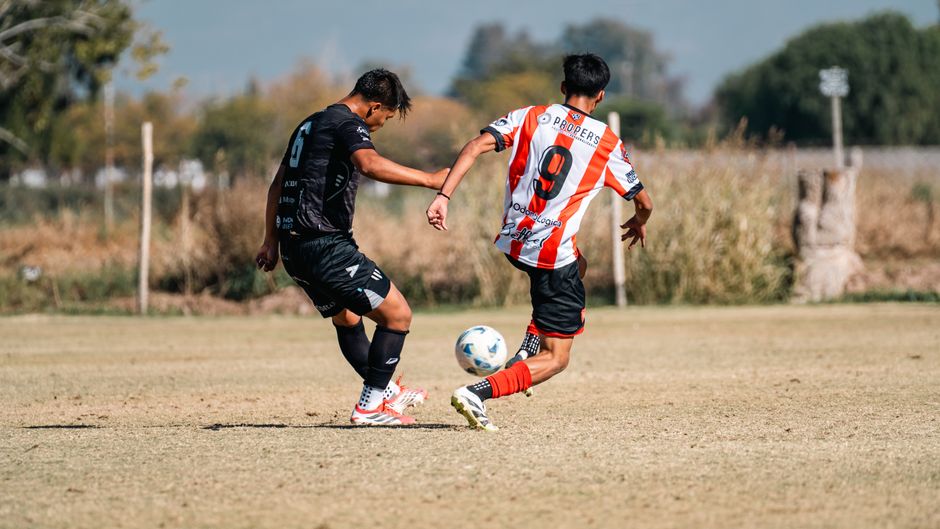
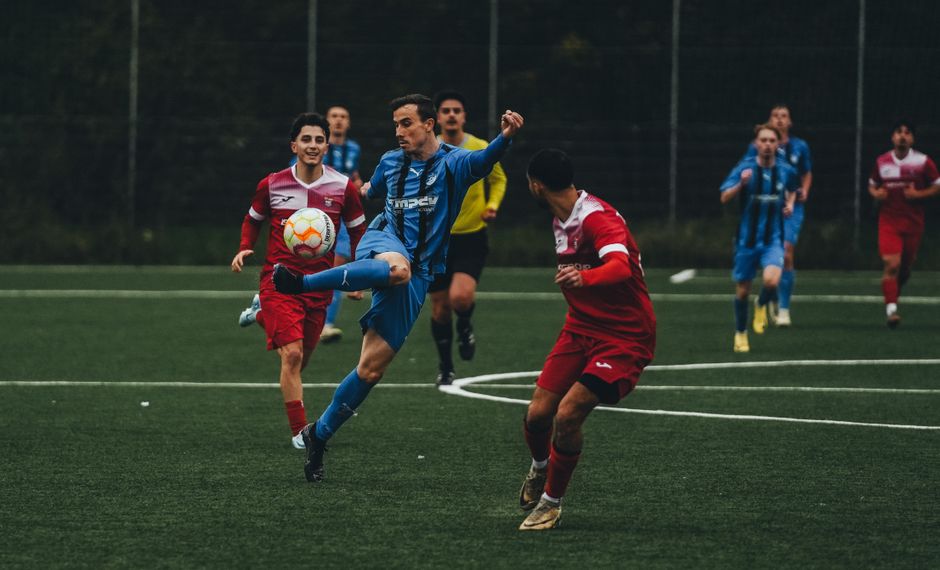
The timing matters because Egyptian club football is heading into a critical window. Al Ahly and Zamalek — the two clubs that between them account for the overwhelming majority of the country's domestic football fanbase — are both mid-season, competing in the Egyptian Premier League while simultaneously managing CAF Champions League commitments. Redevelopment work at the national stadium will push several high-profile matches to secondary venues that are, by most honest assessments, not ready for the pressure.
Al Salam Stadium in the Salam district of northeastern Cairo has been handling overflow fixtures since late 2025, when restoration work at Cairo International first displaced scheduling. The ground holds approximately 20,000 supporters and its artificial turf surface has been a source of complaint from coaches and players in the Egyptian Premier League since January. The EFA has said a full pitch replacement at Al Salam is budgeted for, but contractors have not yet been assigned.
Further west, the Army Stadium in Abbasiya — officially the Cairo Military Stadium — has also been pressed into service for Premier League matches this season. It seats around 25,000 and its facilities, including changing rooms and media areas, were last refurbished in 2019. Club officials privately acknowledge that the ground does not meet current CAF venue standards for continental competition, which means it cannot host African Champions League knockout rounds regardless of scheduling pressures.
Egypt's Football Development Programme, a Ministry of Youth and Sports initiative launched in early 2024, was supposed to address exactly this infrastructure gap. The programme earmarked 12 governorates for stadium upgrades, with Cairo receiving the largest single allocation — 1.8 billion pounds across three sites. Progress, however, has been slow. As of June 2026, work at only one of those three Cairo sites, a training complex near the 6th of October City periphery on the Giza border, has passed the foundation phase.
Al Ahly's academy facilities in Maadi remain the gold standard in Egypt for youth development infrastructure. The club operates six full-size pitches at its Maadi complex, all natural grass, alongside a sports medicine centre that was expanded in 2023 at a reported cost of 60 million pounds. Zamalek's academy setup in the Gezira Club on Gezira Island — one of Cairo's most historic sporting addresses — is more constrained by geography, its island location limiting expansion options, but the club has invested in upgraded floodlighting and a new synthetic warm-up pitch since 2024.
The disparity between elite club infrastructure and the general stock of community football pitches across greater Cairo remains stark. A 2025 survey by the Egyptian Sports Council counted fewer than 340 maintained public football pitches across Cairo Governorate — roughly one for every 30,000 residents. In comparison, FIFA's recommended ratio for active football nations sits closer to one per 10,000.
What comes next is a combination of patience and pressure. The September start date for Cairo International Stadium's Phase Two work is fixed, which means the EFA will need to finalise a credible match-distribution plan for the 2026-27 domestic season before August. Club administrators have been told informally to expect a formal venue schedule from the Federation by July 20. For supporters planning travel to matches this autumn, the message from the EFA is straightforward: check the venue listing before you buy your ticket, because the ground on the fixture card may not be the ground hosting the game.
How does this story make you feel?
Spread the word
About this article
Published by The Daily Cairo
Daily brief
Free, in your inbox before 7am. Weekdays.
More in Sport