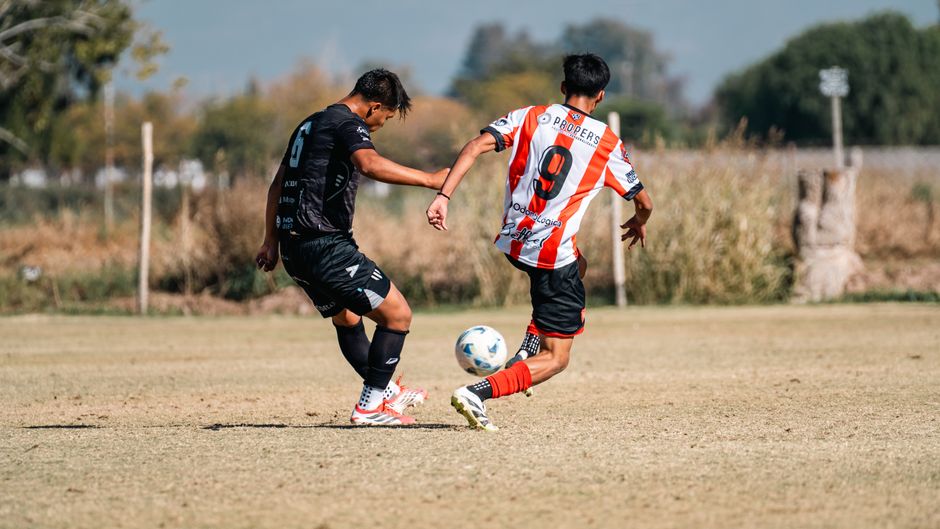
Cairo's Local Football Clubs Are Turning Stadiums Into Neighbourhood Anchors
From Shubra to Maadi, community-run clubs are filling venues, building youth academies, and reshaping what it means to belong in the Egyptian capital.
From Shubra to Maadi, community-run clubs are filling venues, building youth academies, and reshaping what it means to belong in the Egyptian capital.
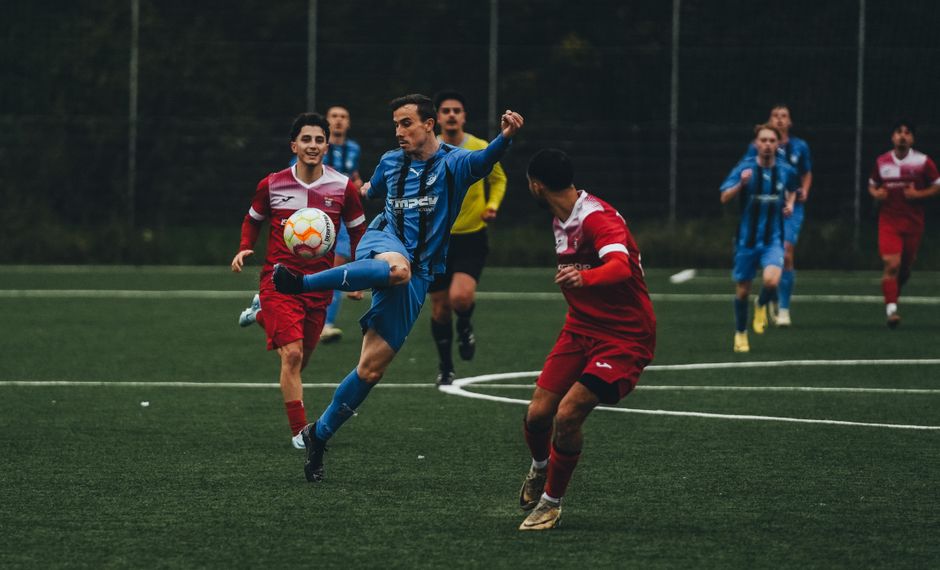
Attendance at second-division matches inside the 10,000-seat Petrosport Stadium in Nasr City has climbed roughly 40 percent over the past eighteen months, according to figures shared by the Egyptian Football Association's regional office this spring. The uptick is not a fluke. Across Cairo, local clubs that were nearly dormant a decade ago are drawing families through their gates on Friday evenings, running structured youth academies, and, critically, giving dense urban neighbourhoods a focal point that most city planners never bothered to provide.
The timing matters. Egypt is hosting the 2025 Africa Cup of Nations, with several group-stage fixtures held at Cairo International Stadium in Nasr City and the 30 June Stadium in Medinat Nasr, and federation officials have spent the past two years pressing clubs at every tier to capitalise on that infrastructure investment rather than let the venues revert to weekend emptiness. The pressure is producing results at the grassroots level that the top flight rarely manages on its own.
Shubra SC, founded in 1938 and operating out of a refurbished complex on Al-Shohada Street in the northern district of Shubra, relaunched its under-15 and under-17 academies in September 2024 after a six-year suspension. Enrolment hit 340 boys and girls within three months. The club charges families 150 Egyptian pounds per month, manageable in a neighbourhood where most households earn blue-collar incomes, and has partnered with Shubra El-Kheima Technical School to offer players a combined athletic and vocational timetable.
Further south, Maadi SC on Corniche El-Maadi has taken a different approach. The club refurbished its main pitch and installed floodlights in late 2024 at a reported cost of 2.8 million Egyptian pounds, funded partly through a corporate sponsorship arrangement with a telecommunications company and partly through a crowdfunding campaign that raised contributions from roughly 1,200 registered members. Friday-night fixtures under the new lights now regularly attract crowds of 3,000 to 4,500, small by international standards, but transformative for a neighbourhood ground that once sat dark most evenings.
Neither club competes in the Egyptian Premier League. That is precisely the point. The mid-tier and community-level infrastructure, Petrosport, the Shubra complex, the Maadi ground, the El-Tersana Club facilities in Boulaq, is where the actual social fabric gets stitched. Premier League clubs Al-Ahly and Zamalek serve as aspirational symbols; neighbourhood clubs serve as places people actually go.
Egypt's Sports Ministry reported in its 2025 annual bulletin that registered youth athletes in Cairo Governorate increased from approximately 87,000 in 2022 to just over 112,000 by the end of last year. Football accounts for 54 percent of those registrations. The ministry attributed the jump partly to the visibility effect of AFCON infrastructure, Cairo International Stadium's 74,000-seat capacity was extensively renovated between 2022 and 2024, but also to deliberate subsidies that reduced club licensing fees by 30 percent for organisations serving communities below a specific income threshold.
The economic logic tracks. A community-run club that keeps a teenager occupied three evenings a week and most of Saturday morning reduces pressure on families and on public space. Urban sociologists at Cairo University's Faculty of Urban Planning have been tracking five neighbourhoods, Shubra, Maadi, Heliopolis, Imbaba, and Ain Shams, and preliminary findings presented at a March 2026 conference suggested that neighbourhoods with active sports clubs report measurably higher social trust scores than comparable districts without them.
For anyone hoping to engage with this trend directly: the Egyptian Football Association opens its autumn club registration window on 1 September, and clubs applying for the reduced-fee tier must submit neighbourhood income documentation by 15 August. Maadi SC and Shubra SC both hold open academy trials in the last week of August each year. Parents in Heliopolis should note that El-Tersana Club has announced construction of a second training pitch on its Boulaq site, expected to be operational by October 2026, which should ease the waiting list that currently runs to around 180 applicants. The venues exist. The momentum is real. The question is whether the federation sustains its support once the AFCON spotlight fades.
How does this story make you feel?
Spread the word
About this article
Published by The Daily Cairo
Daily brief
Free, in your inbox before 7am. Weekdays.
More in Sport