Beyond the Big Stadiums: The Grassroots Story Behind Cairo's Community Sport Movement
While Egypt pours billions into showcase arenas, a quieter revolution is reshaping who gets to play — and where.
While Egypt pours billions into showcase arenas, a quieter revolution is reshaping who gets to play — and where.

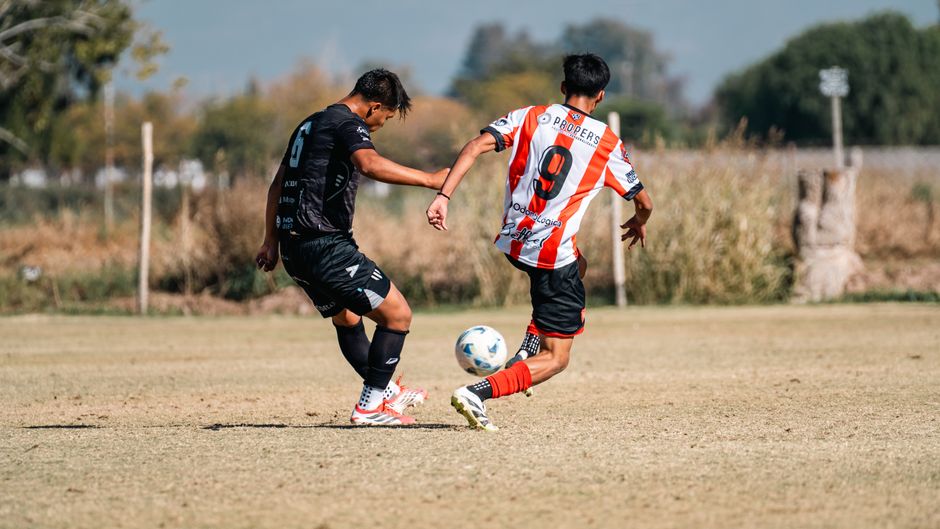
Cairo's government has spent roughly 4.2 billion Egyptian pounds upgrading major football venues since 2021, most of it funnelled into the 75,000-seat Cairo International Stadium in Nasr City and the new administrative capital's Olympic-grade complex. But the real sport story of 2026 is not being written in those gleaming bowls. It is being written on patched-up concrete pitches in Ain Shams, in converted warehouses in Shubra al-Kheima, and on the floodlit clay courts wedged between apartment blocks in Imbaba.
That contrast matters right now because Egypt is bidding to co-host the 2030 African Cup of Nations alongside South Africa and Ethiopia — a bid that demands Cairo demonstrate inclusive sporting infrastructure, not just prestige architecture. Confederation of African Football inspectors are expected in the capital before October, and community advocates say the grassroots network is the argument government officials have chronically undersold.
The Zamalek Youth Sport Initiative, a non-governmental programme operating out of the Agouza district since 2019, runs weekly football, basketball and table tennis sessions for approximately 3,400 children aged six to seventeen. It charges no registration fee. Funding comes from a patchwork of private donors, an annual grant from the Egyptian Football Association worth 900,000 pounds, and a smaller contribution from the Cairo Governorate. The initiative uses three rented courts along Gamal El-Din Al-Afghani Street, none of which exceed 400 square metres.
Twelve kilometres northeast, in the densely packed streets of Rod El Farag, the Nile Community Sports Club has operated continuously since 1987. It counts 6,200 active members, most paying a monthly subscription of 85 pounds — roughly the cost of two metro rides per week. The club runs five sport disciplines, including rowing on a 200-metre stretch of the Nile corniche that doubles as a public walkway on weekends. Club administrators say they applied three times for government renovation grants between 2022 and 2025 and received nothing.
These two organisations represent hundreds of similar operations scattered across Greater Cairo's 22 million residents. A 2025 survey by the Egyptian Ministry of Youth and Sport counted 1,847 registered community sport clubs operating in Cairo Governorate alone, but estimated that fewer than 340 had received any public capital investment in the preceding four years. The ministry's own data show that 68 percent of Cairenes who participate in organised sport do so through community clubs, not state stadiums or private gyms.
The 2030 AFCON bid has created an unexpected political opening for grassroots advocates. A working paper submitted to the Supreme Council of Youth and Sport in May 2026 by the Cairo Sport Equity Coalition — a newly formed lobby group of 34 clubs — argued that international football bodies now assess host-city bids partly on community access metrics. The paper specifically cited FIFA's updated Social Legacy Toolkit, which requires that host cities document sport participation rates in lower-income districts.
That pressure is translating into at least one concrete commitment. The Cairo Governorate announced in June that it would allocate 180 million pounds in its 2026-27 budget toward what it calls the Neighbourhood Courts Programme — a plan to build or renovate 60 small-format pitches across underserved districts including Matariya, Helwan, and Dar El Salam. Construction on the first six sites is scheduled to begin in September.
For clubs like the Nile Community Sports Club in Rod El Farag, the test will be whether that money actually flows. Community administrators advise residents to check the Cairo Governorate's public procurement portal, which now lists Neighbourhood Courts contracts by district, and to file formal objections through the Ministry of Youth and Sport's complaint mechanism if timelines slip. The window for public comment on the 2026-27 sport infrastructure plan closes on 15 July.
How does this story make you feel?
Spread the word
About this article
Published by The Daily Cairo
Daily brief
Free, in your inbox before 7am. Weekdays.
More in Sport