Cairo's Green Shift: How Egypt's Capital Stacks Up Against Global Climate Leaders
As major cities worldwide race to cut emissions, Cairo is charting its own sustainability path—with mixed results compared to peers in Asia, Europe and the Americas.
As major cities worldwide race to cut emissions, Cairo is charting its own sustainability path—with mixed results compared to peers in Asia, Europe and the Americas.
Cairo's commitment to environmental sustainability has intensified markedly over the past 18 months, yet the city remains significantly behind peer megacities when measured against global benchmarks for carbon reduction and waste management.
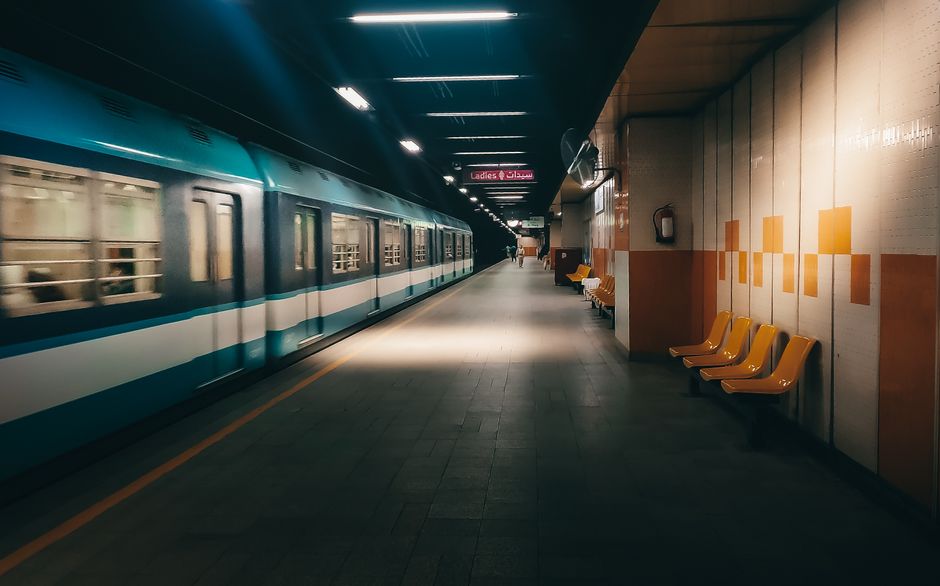
The Egyptian capital's newest initiative—the Cairo Electric Bus Corridor project—aims to replace 2,000 diesel buses with electric alternatives by 2028, targeting routes through Downtown Cairo, Heliopolis, and New Cairo. While ambitious, the timeline lags behind comparable programmes. Istanbul completed its transition of 1,500 electric buses in 2024, while Jakarta's fleet stands at over 5,000 units. Still, local transport officials cite infrastructure challenges unique to Cairo's sprawling geography and Egypt's energy grid capacity as factors in the phased approach.
On waste management, Cairo's recycling infrastructure remains fragmented. The Zabaleen community in Manshiyat Naser continues operating largely outside formal systems, though the governorate now funds training programmes for formal waste segregation at source. By contrast, Tel Aviv achieved 65 per cent municipal waste diversion from landfills by 2024, while Bangkok's centralised sorting facilities process over 3,500 tonnes daily. Cairo's recycling rate hovers near 15 per cent, according to the Egyptian Environmental Affairs Agency.
Water conservation presents Cairo with particular urgency. The city consumes approximately 17 billion cubic metres annually—a staggering figure given Nile depletion pressures. New Cairo's gated communities have begun installing greywater systems, yet citywide adoption remains limited. Singapore's mandatory water recycling standards, implemented a decade ago, now supply 40 per cent of the city-state's needs. Cairo's desalination plants along the coast provide modest supplementary capacity but account for less than 5 per cent of total supply.
The city's solar energy adoption tells a more encouraging story. Rooftop installations in Maadi and Zamalek have grown 40 per cent annually since 2024, supported by government subsidies reducing equipment costs. Dubai's concentrated solar array generates 23 per cent of the emirate's electricity; Cairo's distributed model contributes roughly 2 per cent to the metropolitan grid, though trajectory suggests faster expansion than centrally-planned alternatives.
Governance structures reveal the core challenge. Cairo operates under Egypt's Ministry of Environment, coordinating with 13 governorate offices. Most peer cities—Seoul, Shanghai, Kuala Lumpur—employ dedicated metropolitan sustainability agencies with independent budgets. Cairo's environmental spending averages 0.3 per cent of the city budget, compared to 2-4 per cent in comparable global centres.
Experts suggest Cairo's path forward requires institutional consolidation and investment scaling. The city's natural advantages—abundant sunshine, motivated diaspora communities, and youth environmental activism growing in Garden City and New Administrative Capital networks—remain largely underutilised compared to mobilisation seen in Nairobi or Mexico City.
This article was compiled by AI and screened before publishing. See our editorial standards.
How does this story make you feel?
Spread the word
About this article
Published by The Daily Cairo
Daily brief
Free, in your inbox before 7am. Weekdays.
More in News