Cairo Metro Line 4: Expansion Timeline & Impact
Cairo Metro Line 4 construction reshapes neighbourhoods from Helwan to the New Administrative Capital. Residents weigh hope against disruption as 2028 completion nears.
Cairo Metro Line 4 construction reshapes neighbourhoods from Helwan to the New Administrative Capital. Residents weigh hope against disruption as 2028 completion nears.
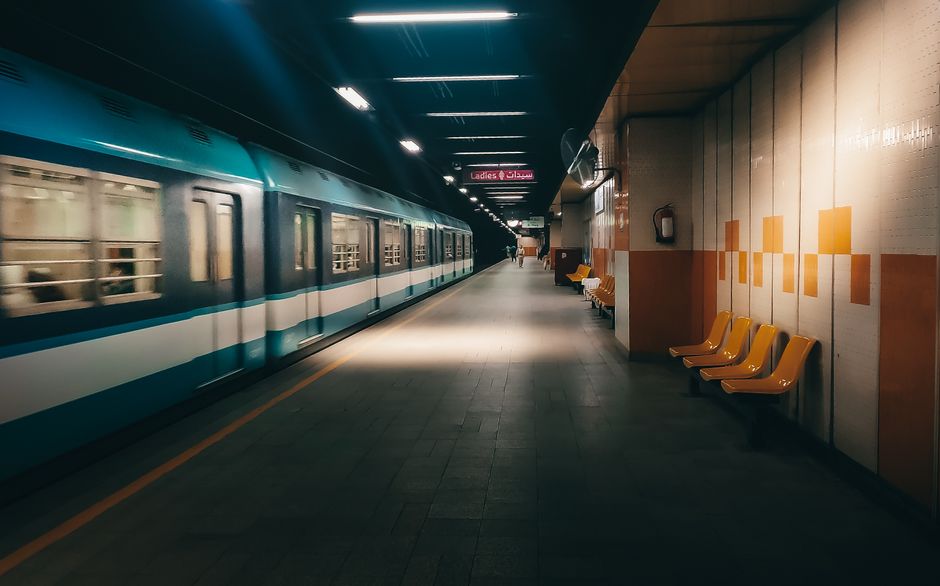
For Fatima Hassan, a teacher living in Sayeda Zeinab, the daily commute to her school in Nasr City has become a gruelling two-hour ordeal involving three minibuses, gridlocked streets, and the constant risk of missing her first class. When news emerged that Cairo's Metro Line 4 would eventually connect her neighbourhood directly to employment hubs across the capital, she allowed herself cautious optimism. That was eighteen months ago.
Today, the reality of Cairo's ambitious transport infrastructure projects sits uneasily between promise and frustration for residents watching their streets transformed by construction while relief remains years away. Line 4, now under active development with a projected completion date of 2028, represents the largest metro expansion the capital has undertaken since the original Line 1 opened in 1987. Yet the project's profound community impact extends far beyond the eventual 53 kilometres of new track.
The Egyptian National Railways Organisation estimates the new line will reduce commute times by an average of 35 minutes for residents in southern and eastern Cairo districts. For a city where transport costs consume roughly 15–20 percent of household budgets in working-class neighbourhoods like Ain Shams and Matariya, that efficiency matters desperately. Current metro fares average 2 Egyptian pounds per journey, but the real savings lie in eliminating multiple transfers and the hidden costs of informal transport networks.
However, the construction phase is already reshaping daily life. Families in Helwan report persistent noise between 6 a.m. and 4 p.m. Shop owners along affected stretches of streets in Old Cairo have documented a 40 percent drop in foot traffic since barriers went up. The municipality has promised alternative routes and compensation schemes, but bureaucratic delays have left many communities feeling abandoned during the interim period.
Beyond the metro itself, Cairo's government has accelerated plans for integrated transport hubs at Ramses Square and Giza's Faisal Station, designed to coordinate bus networks, microbuses, and rail service. Officials argue these nodes will transform how 10 million daily commuters navigate the capital. Local business associations remain sceptical, pointing to similar promises made during earlier phases that took longer and cost more than anticipated.
For Hassan and countless others, the question is no longer whether Line 4 will eventually improve their lives, but whether the city's institutions can deliver it equitably and on schedule. The stakes, quite literally, determine whether ordinary Cairenes can afford to keep moving through their own city.
This article was compiled by AI and screened before publishing. See our editorial standards.
How does this story make you feel?
Spread the word
About this article
Published by The Daily Cairo
Daily brief
Free, in your inbox before 7am. Weekdays.
More in News