Cairo's New Ring Road Extension: Why Residents from Nasr City to New Cairo Are Counting the Days
As construction accelerates on the eastern ring road expansion, commuters hope congestion relief will finally justify years of disruption.
As construction accelerates on the eastern ring road expansion, commuters hope congestion relief will finally justify years of disruption.
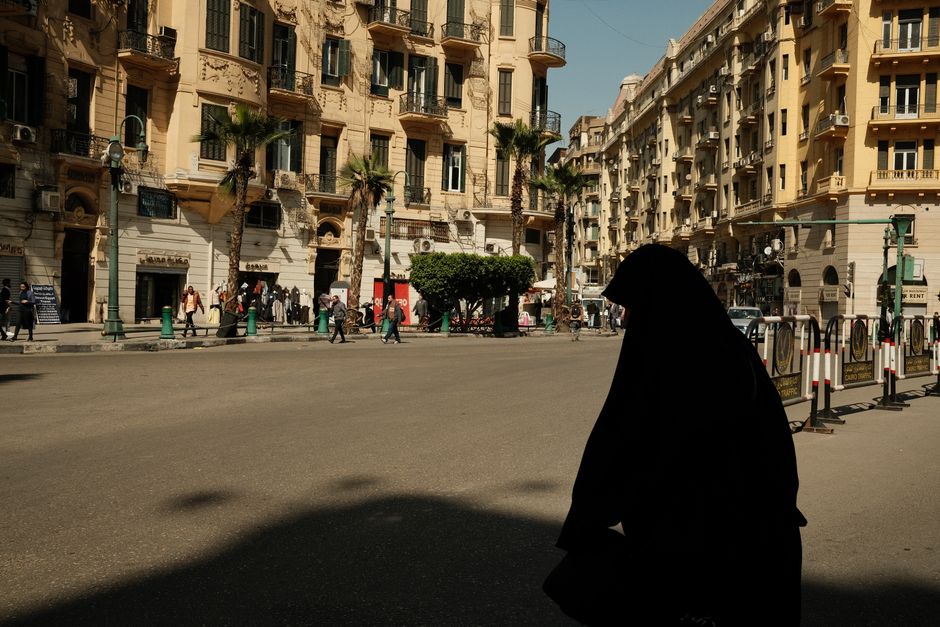
For Fatima Hassan, a nurse at Ain Shams University Hospital, the daily commute from her apartment in Nasr City to the medical complex has become an exercise in frustration. What should be a 15-minute drive typically stretches to 45 minutes, particularly during morning rush hours between 7 and 9 a.m. when traffic on the Salah Salem corridor clogs with vehicles funnelling toward downtown.
That routine could transform within 18 months. The expanded Ring Road project, which broke ground last September and now shows visible progress along the eastern axis toward New Cairo, promises to redirect significant traffic away from congested arteries and create direct routes between residential compounds and business districts. For residents across multiple neighbourhoods—from the sprawling developments of New Cairo and Fifth Settlement to established areas like Heliopolis—the implications are substantial.
The project encompasses roughly 42 kilometres of enhanced roadway, with particular focus on connecting the existing ring road to new interchanges near the American University in Cairo and extending southward toward the New Administrative Capital corridor. Transport authority estimates suggest the expansion could reduce average commute times by 20-30 percent once fully operational, a figure that translates directly into recovered productivity hours for Cairo's working population.
But impact extends beyond commute times. The construction phase itself has created measurable disruption. Property values in directly adjacent areas have fluctuated, with some developers reporting delayed projects and increased material costs due to restricted access. Small businesses along affected routes—from petrol stations to roadside cafes—have experienced reduced foot traffic, though some anticipate recovery once infrastructure stabilisation occurs.
Local community organisations in New Cairo have begun advocacy efforts to ensure adequate provision for pedestrians and non-motorised transport integration alongside the vehicle-centric design. The Cairo Transport Authority confirmed in recent briefings that cycling lanes and improved sidewalk infrastructure are integrated into planning phases, though specific timelines remain fluid.
Public transport integration presents both opportunity and concern. Officials envision eventual bus rapid transit corridors utilising the expanded road network, potentially offering affordable alternatives to private vehicles for commuters earning between 3,000 and 7,000 Egyptian pounds monthly. Yet residents remain cautious, citing historical delays in complementary transport projects.
The real test arrives in 2028, when completion timelines align with projected occupancy rates for ongoing residential developments. Until then, Cairo's eastern communities continue navigating the paradox of infrastructure investment—enduring present inconvenience for promised future convenience.
This article was compiled by AI and screened before publishing. See our editorial standards.
How does this story make you feel?
Spread the word
About this article
Published by The Daily Cairo
Daily brief
Free, in your inbox before 7am. Weekdays.
More in News