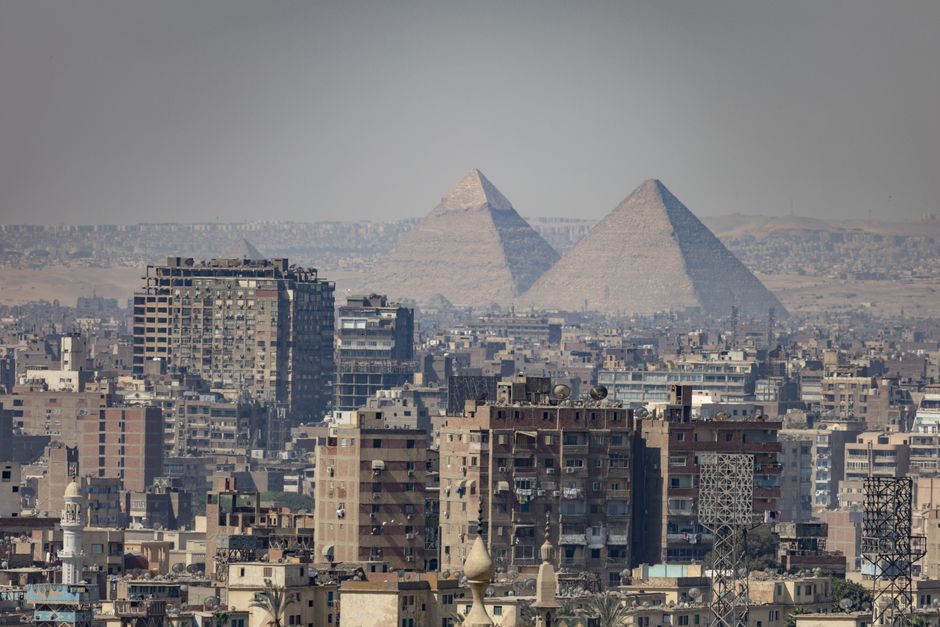
As Cairo's population edges toward 21 million within the greater metropolitan area, a crucial conversation is unfolding among the officials and experts tasked with reshaping the city's residential landscape. The stakes have never been higher, with housing costs in central neighbourhoods like Zamalek and Garden City now consuming 40-50 per cent of middle-class household incomes, according to recent housing market analyses.
At a policy roundtable hosted last month by the Egyptian Housing and Development Bank, government urban planners defended the New Administrative Capital satellite city project as essential infrastructure to relieve pressure on historic Cairo. Officials emphasised that directing development eastward would preserve the Nile's western bank while creating employment centres outside congested zones like Heliopolis and Nasr City. Yet this vision faces pushback from urban economists who argue resources remain inadequate for transport links connecting the new capital to job markets.
Dr. Fatima El-Sherif, a housing economist at the American University in Cairo, has been vocal about the mismatch between policy ambitions and ground realities. Speaking at a June seminar, experts highlighted that informal settlements now house roughly 40 per cent of Cairo's residents, particularly in districts like Manshiyet Naser and areas surrounding the Ring Road. The consensus among development consultants is that rapid, affordable housing production—not just master-planned cities—must complement long-term strategies.
Meanwhile, the Ministry of Housing's rental assistance programmes and mortgage reform initiatives have drawn cautious optimism from banking sector representatives. Officials announced plans to facilitate micro-finance schemes for modest-income earners seeking to purchase units in designated zones along the Cairo-Suez corridor. However, critics argue current interest rates (hovering around 12-14 per cent) remain prohibitive for the majority.
Property developers operating across New Cairo and Sheikh Zayed City report strong demand, yet complain of bureaucratic delays in land allocation and permit issuance. Industry spokespersons at the Real Estate Development Chamber advocate for streamlined licensing and tax incentives to accelerate mid-range residential construction.
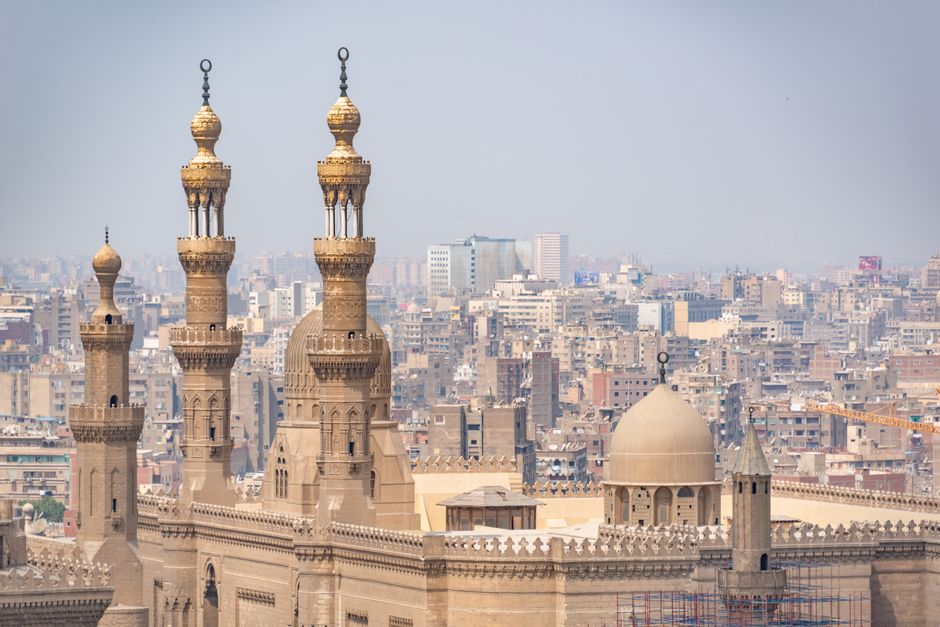
The central tension remains unresolved: how to balance Cairo's urgent need for affordable housing stock with municipal ambitions to modernise infrastructure and reduce urban density. As officials prepare revised zoning amendments for September consideration, the competing voices—government architects, academic researchers, private developers, and civil society advocates—underscore a city at a crossroads, seeking solutions to shelter millions while preserving its historic character and ensuring equitable growth.
This article was compiled by AI and screened before publishing. See our editorial standards.