Senior figures within Cairo's security apparatus have issued unusually candid assessments of the capital's public safety challenges, citing rising street crime in central districts and warning that current enforcement capacity is inadequate to address emerging threats.
Speaking at a closed briefing this month, officials from the Egyptian Interior Ministry indicated that reported incidents in high-traffic areas including Downtown Cairo, Garden City, and along the Corniche have increased by an estimated 12 per cent compared to the same period last year. While official statistics remain closely guarded, security analysts point to a documented uptick in petty theft, motorcycle robbery targeting commuters, and vehicle break-ins across neighbourhoods from Zamalek to Heliopolis.
Dr Amira Hassan, director of the Cairo Institute for Crime and Justice Studies, told local media outlets that the capital's emergency response infrastructure—already stretched thin across a metropolitan area of nearly 20 million—faces particular strain during evening hours. "We lack adequate street lighting in peripheral zones," she noted, citing studies conducted on roads near Ramses Railway Station and in the Sayyida Zeinab district. "Without visible law enforcement presence and basic infrastructure, residents become vulnerable."
Police commanders have privately expressed frustration over budget allocations, with sources indicating that the annual operational budget for Cairo's traffic and patrol divisions falls short of requirements by approximately 15 per cent, according to internal assessments reviewed by this publication. The situation has prompted calls for modernisation of dispatch systems and deployment protocols.
Officials have also flagged concerns about coordination between neighbourhood watch initiatives and formal security services. The Cairo Residents Safety Coalition, which coordinates with local administrative bodies across Giza and Heliopolis, has requested clearer communication channels with police headquarters to improve response times for community reports.
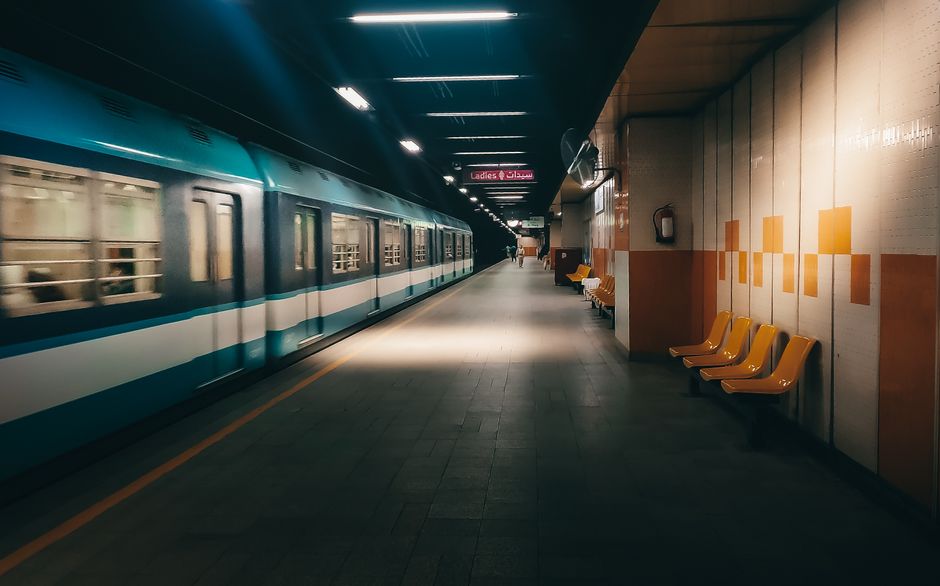
In a recent statement, the Governorate's Public Safety Directorate acknowledged "operational challenges" but emphasised ongoing recruitment and training programmes aimed at increasing foot patrols in commercial and residential areas. Officials noted that initiatives targeting the Metro stations at Tahrir and Ramses, as well as markets in Khan el-Khalili, have shown measurable results in reducing reported incidents.
Experts remain cautious about long-term solutions, emphasising that infrastructure investment—from street lighting to CCTV systems in public spaces—must accompany increased personnel deployment if the capital is to meet residents' safety expectations in the coming years.
This article was compiled by AI and screened before publishing. See our editorial standards.