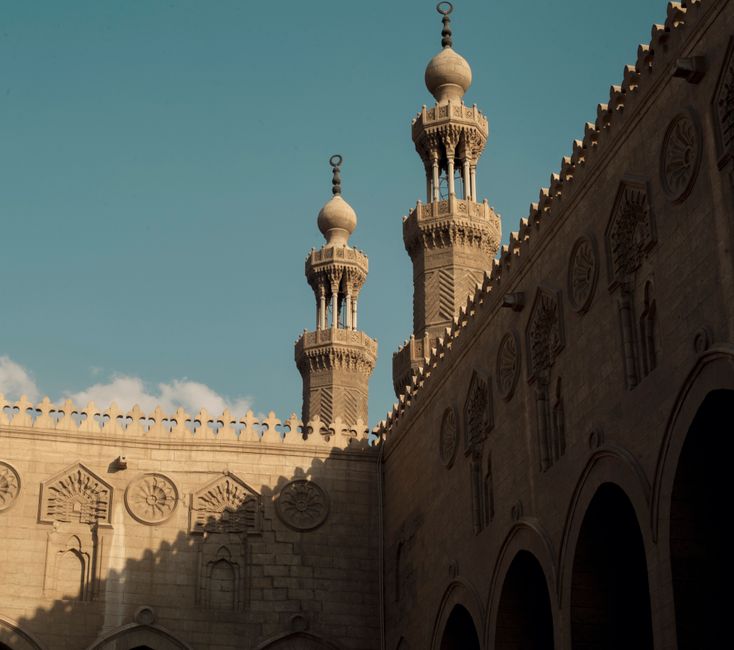
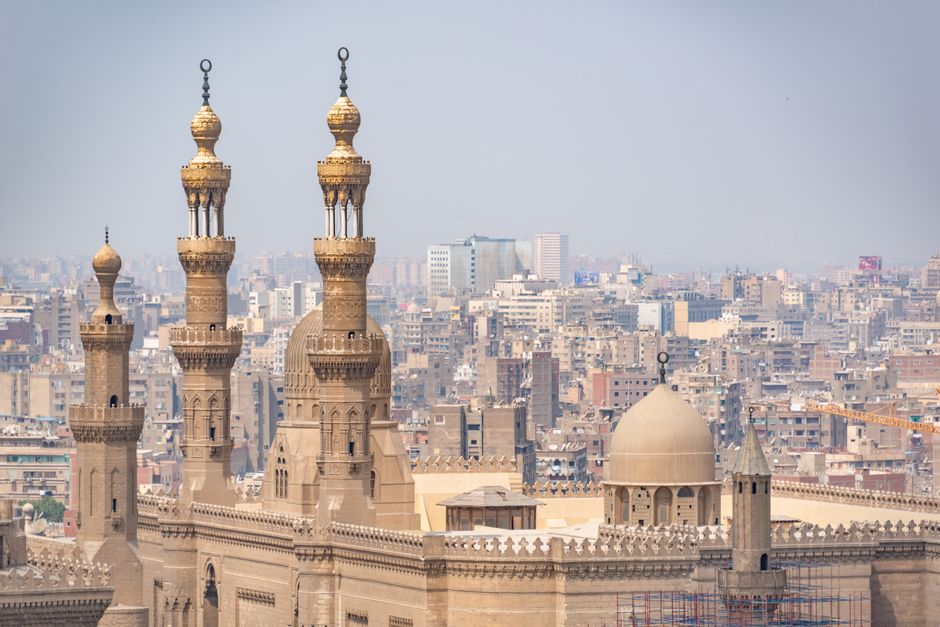
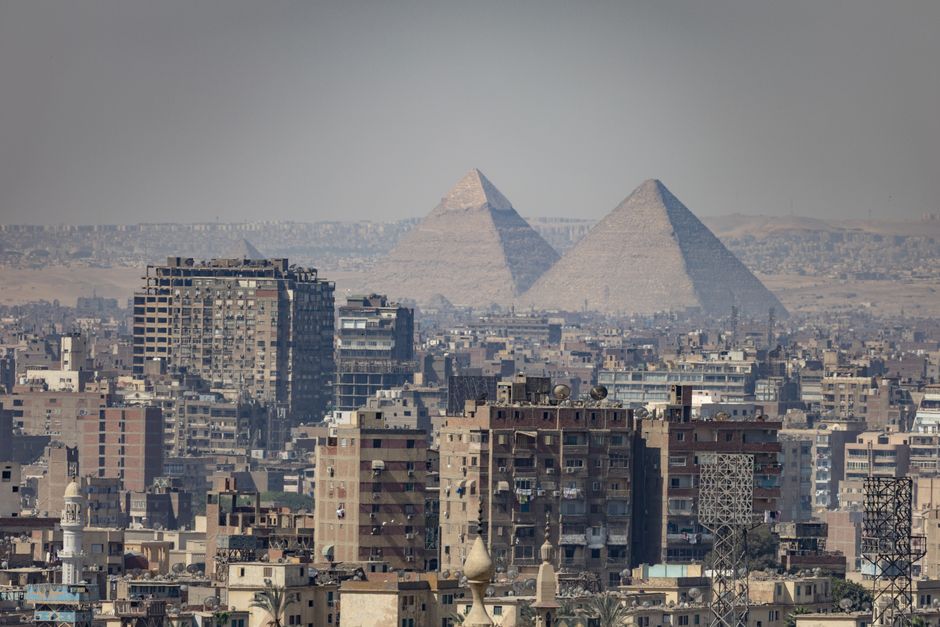
Cairo's education sector stands at a crossroads. While the city's prestigious institutions—from the American University in Cairo's leafy Tahrir campus to Al-Azhar University's historic grounds in Islamic Cairo—continue to draw regional talent, education officials acknowledge significant gaps when benchmarked against comparable megacities worldwide.
The numbers tell a sobering story. According to recent education ministry data, Cairo's public school student-to-teacher ratio averages 42:1, substantially higher than comparable cities like Istanbul (28:1) and significantly worse than developed-world counterparts like London (18:1). Meanwhile, university tuition at private institutions in Zamalek and New Cairo ranges from 150,000 to 300,000 Egyptian pounds annually—pricing that excludes middle-class families entirely, a problem less acute in competing regional hubs.
Yet Cairo is pushing back. The New Administrative Capital's satellite campus projects, while controversial, signal ambition. The government's recent initiative to establish 15 new STEM-focused secondary schools across eastern Cairo neighbourhoods mirrors strategies deployed in Singapore and Dubai. Investment in digital learning infrastructure, accelerated by pandemic lessons, now reaches an estimated 2.8 billion pounds across public institutions.
Dr. Mona El-Shazly, who leads curriculum development at a major Cairo-based educational consultancy, notes the city's particular challenge: "Cairo educates roughly 2.4 million school-age children. That's equivalent to the entire student population of Belgium. The infrastructure simply wasn't built for this scale."
Comparisons reveal telling disparities. Bangkok's education system, serving a similar population density, invested heavily in vocational training pathways a decade ago—an approach Cairo is only now piloting through partnerships along the Suez Road industrial corridor. Meanwhile, Jakarta's university research output, tracked by global citation indices, outpaced Cairo's by 34 percent in 2024.
The private sector offers bright spots. International schools in Garden City and Sheikh Zayed continue thriving, though fees exceed $15,000 annually. Cairo's growing EdTech startup scene—concentrated around tech hubs near Heliopolis—is developing solutions for the affordability crisis, though scaling remains uneven.
University administrators acknowledge the brain drain candidly. Al-Azhar and Ain Shams universities lose talented graduates annually to scholarships abroad; retention rates here lag peers in Beirut and Tehran by approximately 12 percent, education tracking services report.
As Cairo celebrates its ancient scholarly legacy, modern reality demands urgent intervention. Without aggressive infrastructure investment and curriculum modernisation within the next three years, education officials warn, the city risks falling further behind regional competitors racing to capture global talent and investment.
This article was compiled by AI and screened before publishing. See our editorial standards.