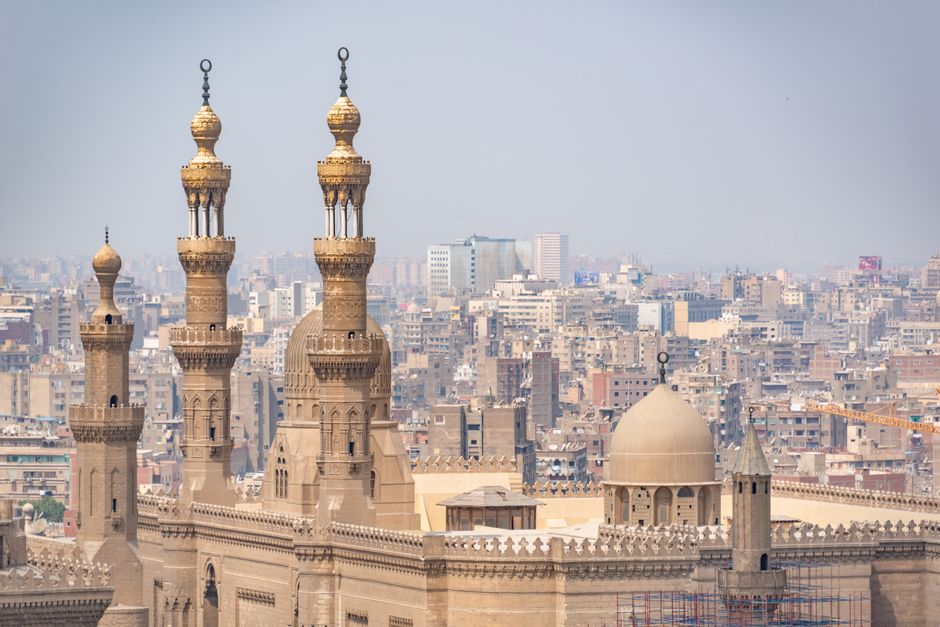
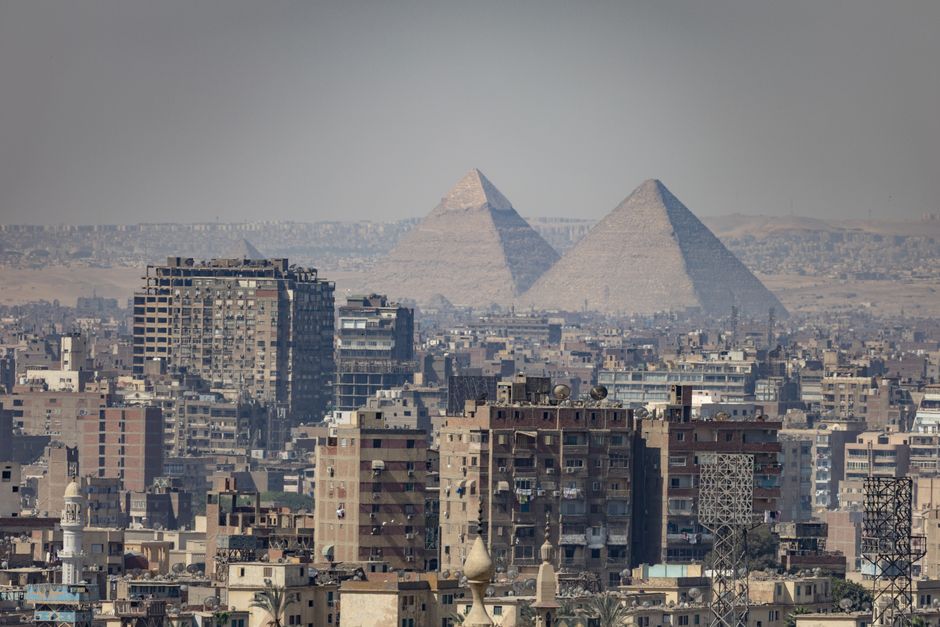
Cairo's perpetually fraught relationship with housing policy entered fresh territory this week when municipal authorities revealed plans to rezone substantial portions of Zamalek and Garden City, signalling the most ambitious urban restructuring attempt in the capital since the New Administrative Capital project began.
The proposal, unveiled Monday at the Cairo Governorate headquarters on Saray Al-Gezira Street, would permit developers to construct residential towers up to 15 storeys in areas previously capped at eight storeys. Officials estimate the changes could create approximately 8,000 new housing units across the two island neighbourhoods, where property prices currently average 45,000 Egyptian pounds per square metre—well beyond reach for middle-income Cairenes.
Housing remains Cairo's most intractable challenge. With over 20 million residents and informal settlements spanning roughly 40 percent of metropolitan area, the city faces perpetual supply-demand imbalance. Government figures suggest Egypt needs roughly 300,000 new housing units annually, yet current production barely exceeds 120,000.
The rezoning announcement triggered immediate backlash from heritage advocates and long-term residents. Zamalek's Belle Époque villas and tree-lined streets—remnants of early 20th-century planning—would face inevitable demolition under aggressive development scenarios. The American University in Cairo, whose campus anchors the neighbourhood's cultural identity, has reportedly expressed concerns about infrastructure capacity.
"These decisions affect not just housing stock but Cairo's character," said one prominent urban planning researcher, requesting anonymity due to ongoing government consultations. The sentiment resonates across social media platforms, where residents have organised petitions and organised community forums at neighbourhood cafés along 26th of July Street.
Housing Minister Sherif El-Sherbini's office emphasised affordable housing quotas—developers must reserve 15 percent of units for lower-income buyers—though critics question whether mandatory pricing of 25,000 pounds per square metre qualifies as genuinely accessible. Cairo's informal housing sector, where millions live in unregulated areas, remains untouched by formal policy interventions.
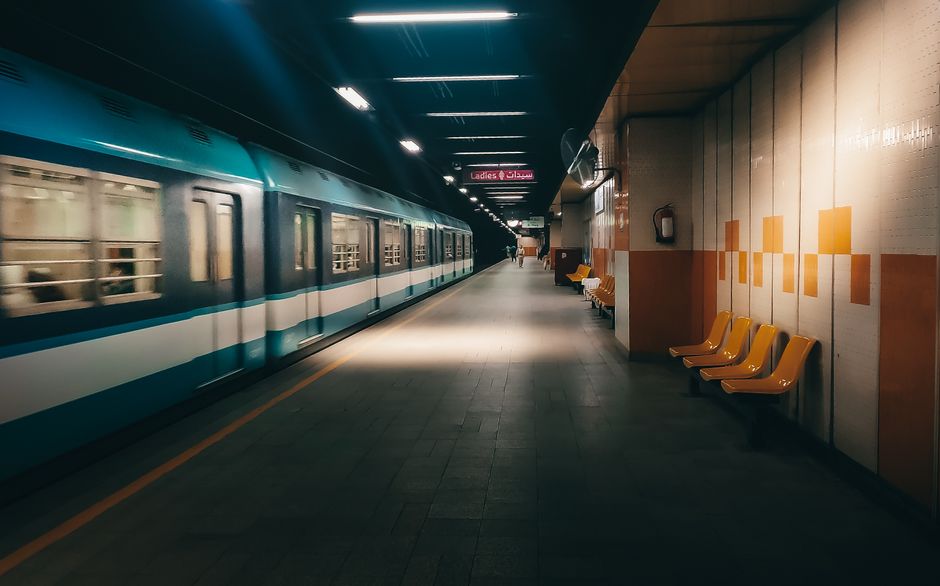
The municipality simultaneously confirmed completion of infrastructure studies for Sixth of October City's eastern expansion, aimed at absorbing overflow from central districts. However, transportation links between satellite cities and employment hubs remain inadequate, discouraging relocation.
Stakeholder consultations continue through July, with final decisions expected before Ramadan. Whether authorities prioritise density, preservation, or affordability will reshape Cairo's urban trajectory for decades. For millions of residents searching for adequate housing at sustainable prices, this week's announcements offered little concrete relief.
This article was compiled by AI and screened before publishing. See our editorial standards.