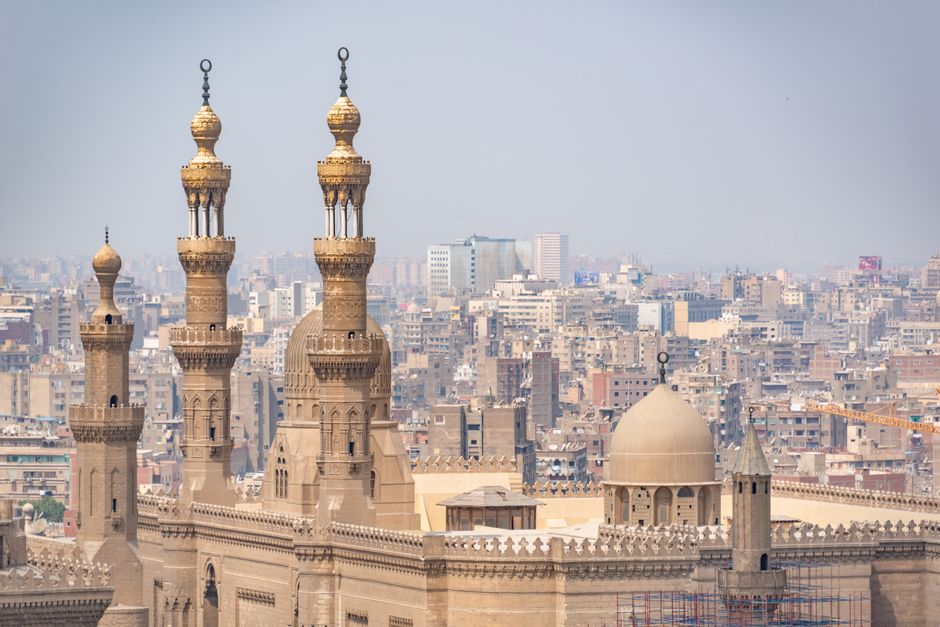
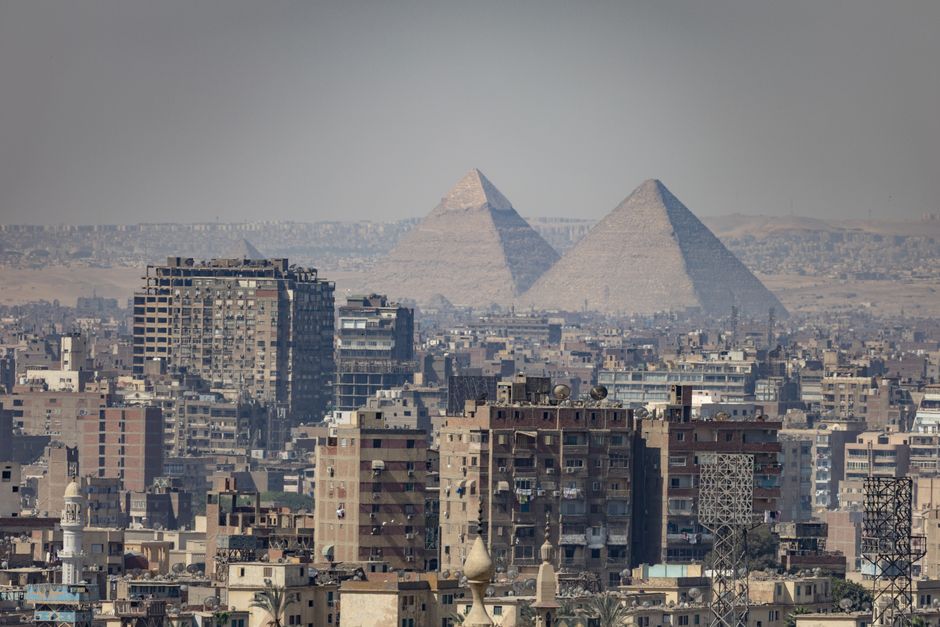
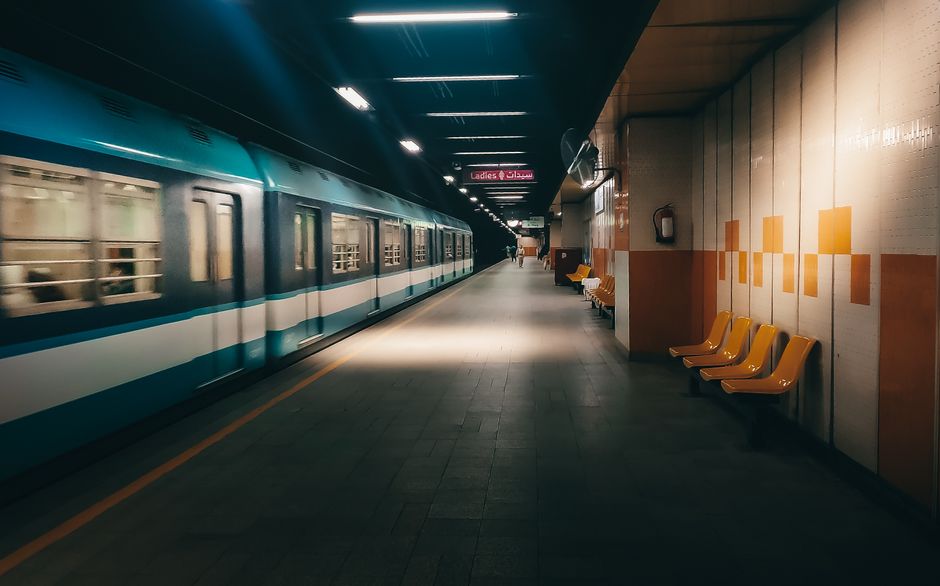
Walking through the narrow lanes of Bulaq Abu El-Ela, Um Fatima points to the notice plastered on her apartment door. After thirty-two years in the same three-room flat, she faces relocation under the capital's latest urban renewal initiative. "Where will my children go?" she asks, her voice steady but strained. "The compensation they offer—it's not enough for anything in the new developments."
Her story echoes across Cairo's working-class neighbourhoods as the government pushes forward with housing policies designed to modernise the sprawling metropolis. The latest framework, rolled out earlier this year, targets informal settlements and older residential areas for redevelopment, with new formal housing offered at prices ranging from 1.2 to 2.8 million Egyptian pounds per unit—figures that place them far beyond the reach of families earning less than 10,000 pounds monthly.
In Zamalek, where gentrification pressures mount differently, young professionals and artists face skyrocketing rents. Randa, a graphic designer who has rented the same studio apartment for five years, learned last month that her landlord plans to convert the building into luxury serviced apartments. "Everyone knows someone being displaced," she says. "The city is becoming unaffordable for the people who actually work here."
The Housing and Urban Communities Ministry argues the policy modernises Cairo's infrastructure and reduces overcrowding in deteriorating areas. Officials point to successful completion of projects in New Cairo and the eastern extensions as proof of concept. Yet residents question whether new housing actually replaces what's lost.
Civil society organisations tracking displacement report that between 2023 and 2026, approximately 47,000 families across Greater Cairo have relocated under various housing schemes. The Social Democratic Party of Egypt and community advocacy groups have called for greater transparency in compensation calculations and more flexible payment schemes for middle and lower-income residents.
At a community meeting in Maadi last week, residents demanded representation in planning decisions affecting their neighbourhoods. "We're not against development," said one attendee, a retired teacher. "We're against being erased from our own city."
As Cairo's population edges toward 21 million, the tension between modernisation and displacement remains unresolved. Whether policymakers can balance urban renewal with community preservation will define not just housing policy, but the character of Egypt's capital for decades to come.
This article was compiled by AI and screened before publishing. See our editorial standards.