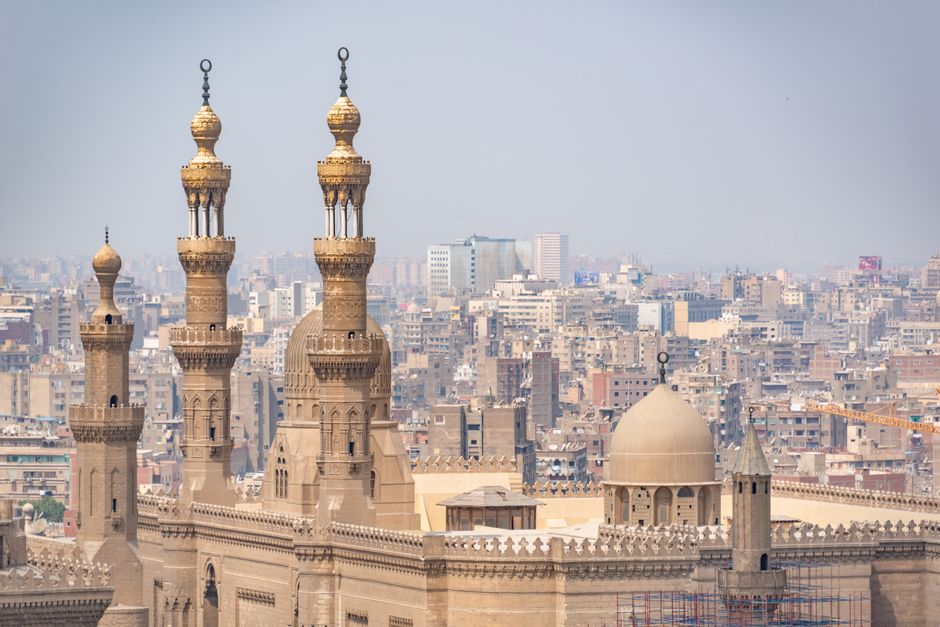
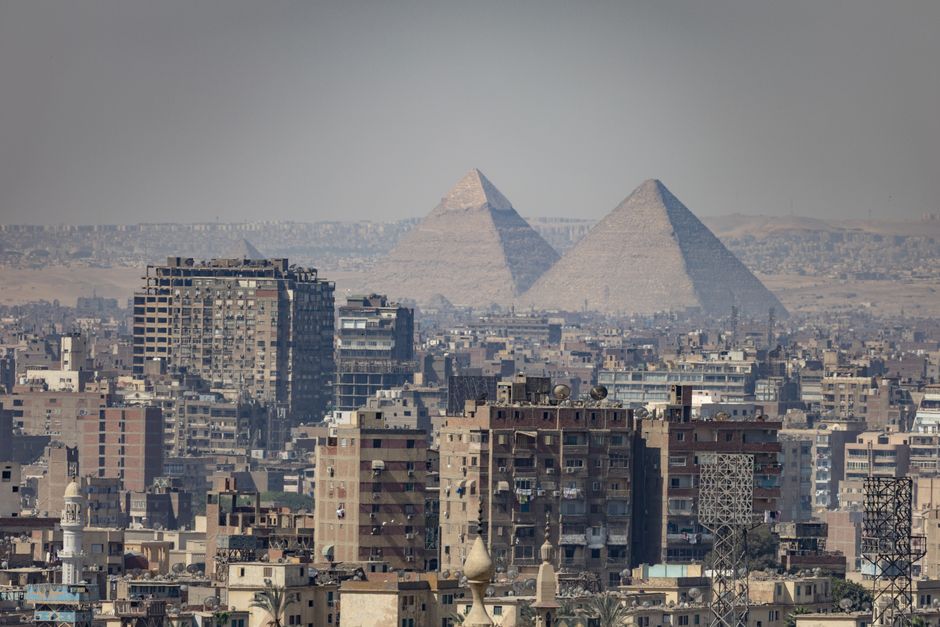
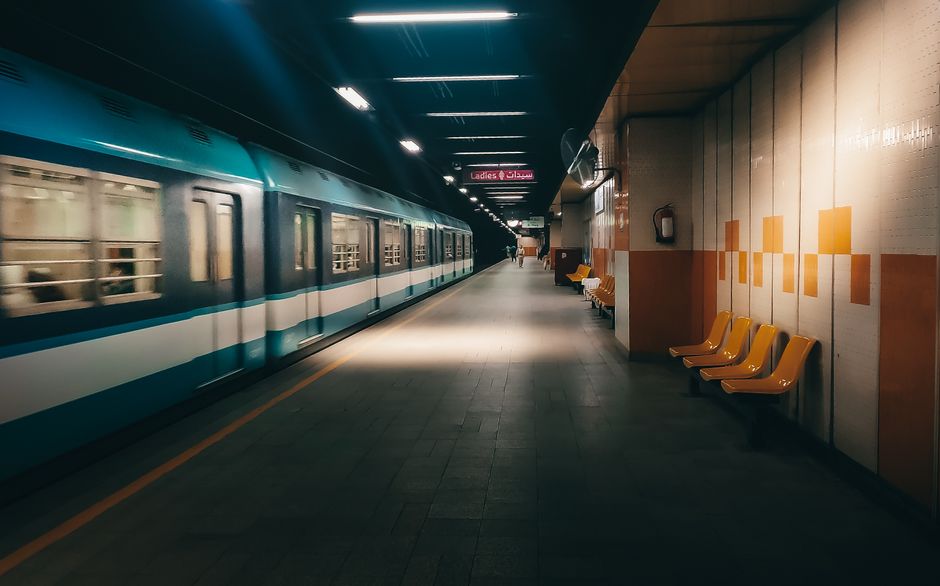
Walking along the Corniche el-Nil in 2026, you'll spot solar panels glinting atop several government buildings and the gleaming new electric bus fleet parked near Tahrir Square. Yet venture into neighborhoods like Bulaq or Shubra, and the contrast is stark: mountains of uncollected waste line streets, and air quality readings regularly spike to hazardous levels. Cairo's environmental journey reflects a city caught between genuine sustainability ambitions and the grinding realities of urban management across a metropolis of over 20 million people.
The Cairo Governorate's renewable energy initiatives have gained momentum, particularly the solar installations at the New Administrative Capital and along the Helwan industrial corridor. Egypt aims to generate 42% of its electricity from renewables by 2030—a target that positions it ahead of many Middle Eastern peers. Yet Cairo proper lags behind comparable megacities. Istanbul and Tehran have expanded metro systems dramatically; Cairo's metro expansion, while progressing, moves slower than originally planned, leaving residents dependent on aging buses and personal vehicles that choke the city's notorious traffic.
Waste management remains Cairo's Achilles heel. The city generates approximately 28,000 tonnes of solid waste daily, according to municipal data, yet recycling rates hover around 20%—significantly below comparable cities. Bangkok's waste-to-energy facilities and Beirut's emerging recycling cooperatives operate at different scales, but Cairo's informal waste sector, centered in Manshiyat Naser and managed largely by zabbaleen communities, handles nearly 80% of actual collection. International observers note this represents both resilience and the absence of formal municipal infrastructure.
Water scarcity presents another critical challenge. Cairo relies almost entirely on the Nile, and the Grand Ethiopian Renaissance Dam controversy has underscored vulnerability. Meanwhile, cities like Singapore have invested heavily in desalination and recycled water systems. Cairo's wastewater treatment capacity has improved—the Gabal el-Asfar plant expansion was completed in 2024—but aging pipe networks along Garden City and Downtown still leak approximately 30% of treated water.
Green spaces tell an instructive story. While Cairo boasts Al-Azhar Park and the ongoing restoration of the Nile Corniche gardens near Maadi, per-capita green space remains critically low compared to Dubai or Amman. The city's tree-planting initiative, which aimed to add 500,000 trees by 2025, achieved roughly 60% of targets, hampered by irrigation logistics in an arid climate.
What distinguishes Cairo isn't failure, but rather the friction between scale and resources. A city of 20 million confronts sustainability challenges that smaller, wealthier capitals navigate with greater ease. Yet grassroots initiatives—from youth-led recycling networks in Zamalek to solar installations on residential buildings—suggest Cairo's environmental future will be shaped not by top-down mandates alone, but by the ingenuity of its residents.
This article was compiled by AI and screened before publishing. See our editorial standards.