Walking across Downtown Cairo on any Tuesday morning, you'll witness a transport paradox: gleaming new metro stations alongside gridlocked streets, construction cranes dotting the skyline while buses overflow with passengers. By 2026, the city's infrastructure ambitions are colliding with the messy reality of managing Africa's second-largest metropolitan area.
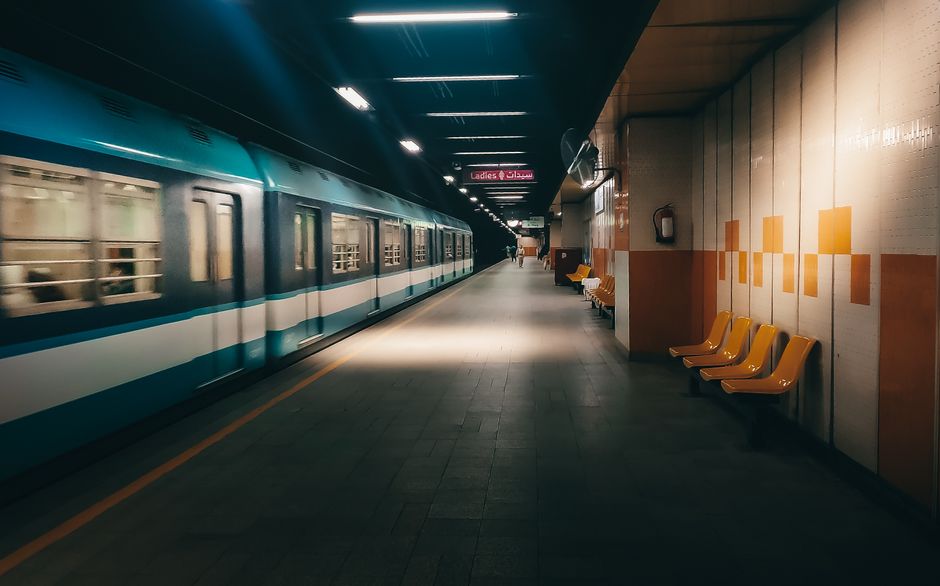
The Cairo Metro's Line 4 expansion, stretching from the New Administrative Capital southward, represents the city's biggest bet on mass transit since the system opened in 1989. Yet unlike Dubai's Metro—which was purpose-built with modern planning from inception—Cairo's network grows through the arteries of an existing city where land acquisition remains fraught. The average commute from Helwan to Nasr City via metro takes 90 minutes; compare that to Dubai's 45-minute cross-city journey, and the investment gap becomes clear.
The newly completed Ring Road improvements around the October 6 Bridge have cut some commute times by 12-15 percent, but traffic engineers privately acknowledge they're playing catch-up. Istanbul, which faces similar congestion with 15 million residents, invested heavily in its metro during the 2010s; today, it carries 3.2 million daily passengers. Cairo's metro serves approximately 5 million daily journeys, yet its infrastructure remains strained.
What's revealing is how Cairo approaches the problem differently. Where Mumbai invested in Bus Rapid Transit corridors at relatively low cost, Cairo has bet everything on metro expansion—a decision with higher upfront costs but potentially better long-term capacity. The Ain Shams-Helwan corridor alone required 47 billion Egyptian pounds; similar projects in Istanbul cost 30 percent more per kilometer.
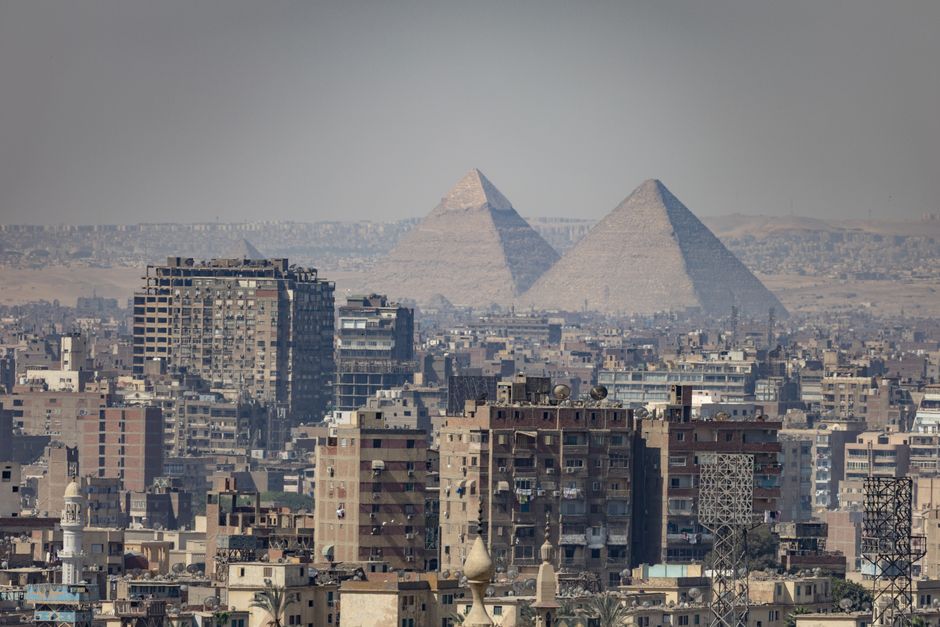
The real challenge sits at street level. The Giza Plateau corridor—one of Cairo's busiest routes linking residential areas to Downtown—still relies on congested surface streets despite repeated modernization attempts. Local residents report average journey times of 45 minutes across distances that take 15 minutes by car in off-peak hours. Dubai's systematic integration of ride-sharing apps with public transit, and Istanbul's coordinated bus-metro connections, offer models Cairo is only now beginning to study.
By June 2026, the New Administrative Capital's transportation hub opens fully, potentially shifting traffic patterns dramatically. It's a gamble: pump investment into connecting a new city while the old one still struggles with basics. Yet for a metropolis of Cairo's scale, incremental progress beats paralysis. The question isn't whether these projects will work—it's whether they'll work fast enough.
This article was compiled by AI and screened before publishing. See our editorial standards.