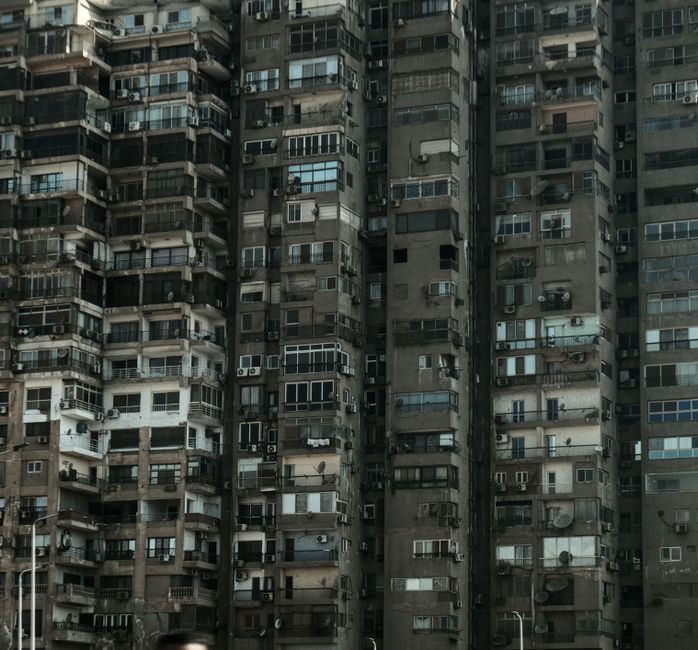
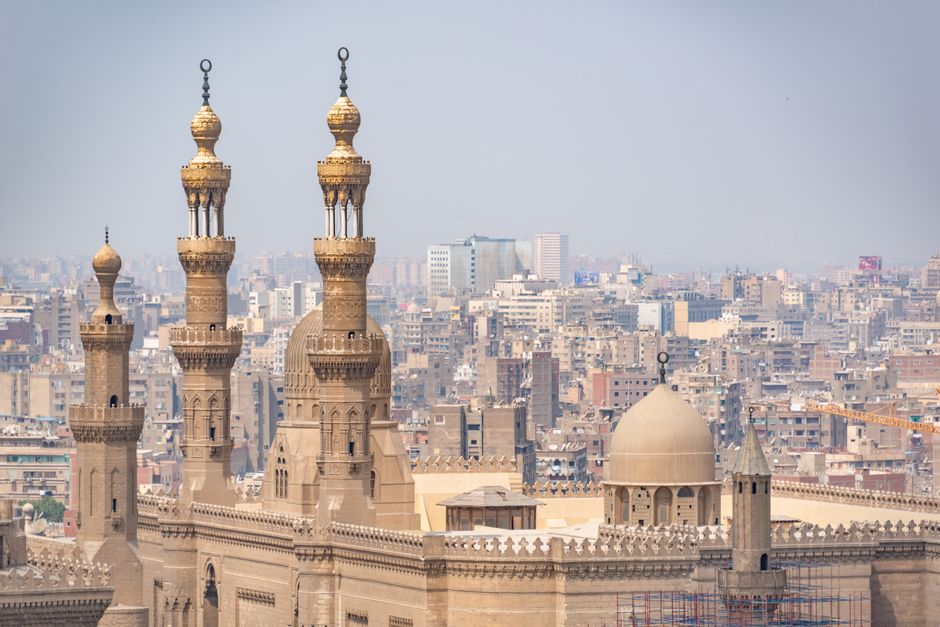
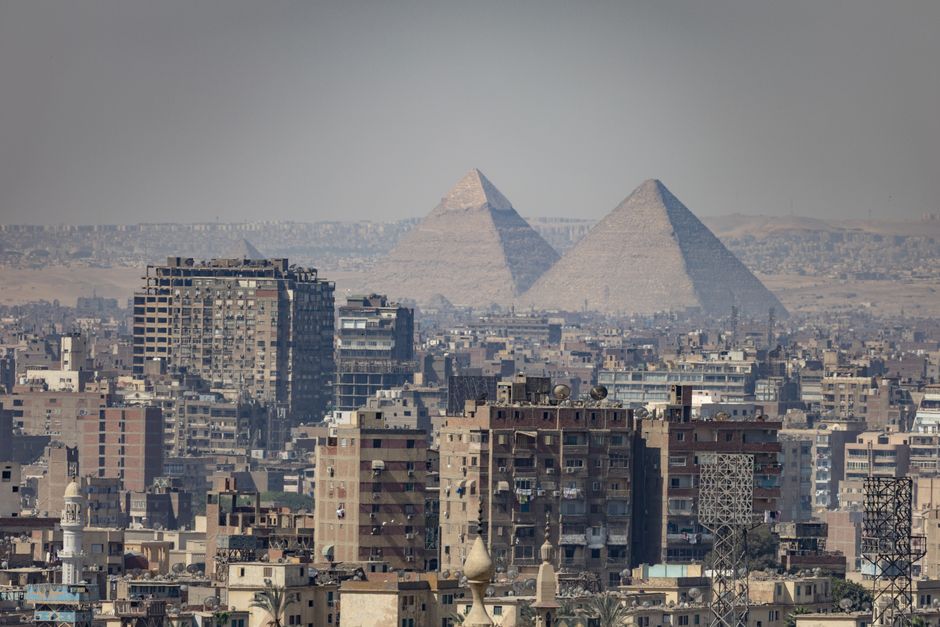
Cairo's environmental moment has arrived, but it remains desperately fragile. With air quality levels regularly breaching World Health Organization thresholds and landfills across Giza and Qalyubia straining under the weight of a city of 20 million, decision-makers are finally confronting questions that have festered for years: Which sustainability initiatives deserve serious funding? And crucially, who will ensure they don't become another abandoned project gathering dust in a ministry filing cabinet?
The past eighteen months have sketched an outline of ambition. Solar installations on public buildings in Nasr City. Recycling pilot programmes in Garden City and Maadi targeting middle-class households. A nascent electric minibus trial between Tahrir Square and Helwan. Yet none of these sit on firm ground. Budget allocations remain uncertain. Implementation partners—both governmental and non-governmental—are still negotiating terms. The Cairo Governorate's sustainability office, newly expanded, must now decide whether to consolidate gains or spread resources across new frontiers.
The stakes are particularly high for waste management, where Cairo's trajectory will define the decade ahead. The current system, which funnels roughly 24,000 tonnes daily to sprawling dumps, is approaching breaking point. Recent proposals include expanded composting facilities in the outer districts and an enhanced plastic-collection scheme dependent on incentivising informal waste workers through microcredit programmes. Both sound promising. Both require political nerve and sustained investment.
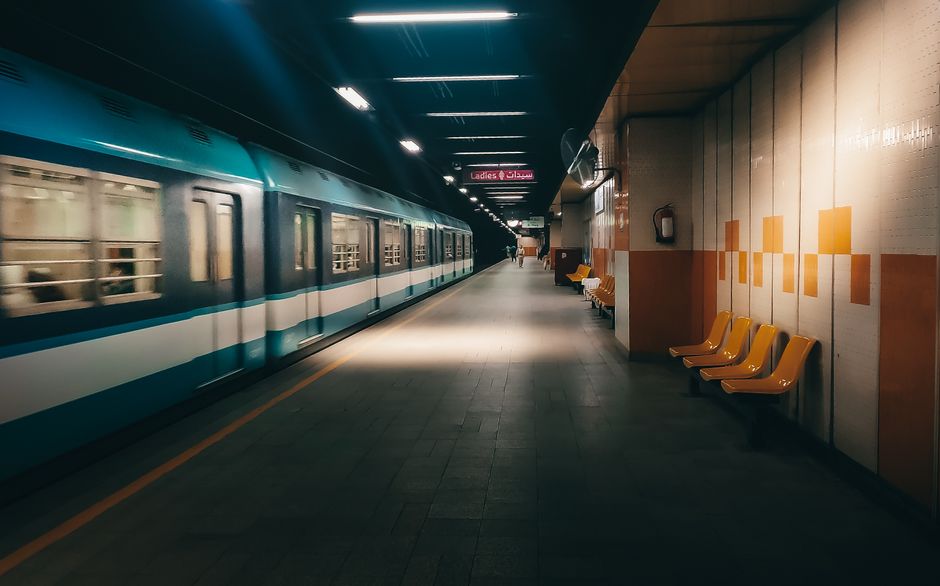
Transport presents another fork in the road. The electric minibus initiative shows promise on paper, but scaling it beyond its Tahrir-Helwan corridor demands decisions about charging infrastructure, subsidy models, and how to phase out thousands of aging diesel vehicles. Officials must choose: invest heavily in rapid expansion, or accept a slow, decade-long transition that risks momentum loss?
Public perception complicates everything. Water scarcity, already acute, will worsen if Cairo doesn't enforce stricter conservation protocols in hotels, hospitals, and industrial zones. Yet unpopular restrictions could trigger political pushback. The Cairo Water Authority faces a choose-your-poison scenario: act decisively now and face complaints, or delay and face genuine crisis.
The Environmental Affairs Ministry's mid-year review, expected within weeks, will essentially determine whether 2026 marks the year Cairo's sustainability agenda shifted from performative to substantive. The decisions made in those bureaucratic corridors—about funding, accountability, and political will—matter far more than any press release or ribbon-cutting ceremony.
What comes next depends less on vision and far more on whether Cairo's leadership is willing to make the uncomfortable calls necessary to back it up.
This article was compiled by AI and screened before publishing. See our editorial standards.