Cairo's Green Future Hangs on Three Critical Decisions This Summer
As the capital grapples with air pollution and water scarcity, officials must choose between competing sustainability plans—and time is running out.
As the capital grapples with air pollution and water scarcity, officials must choose between competing sustainability plans—and time is running out.
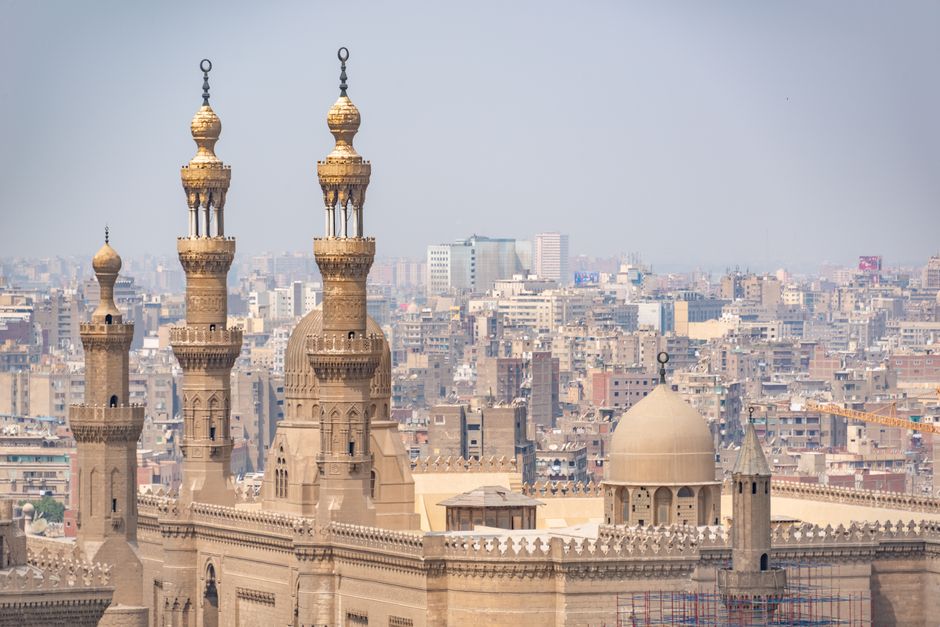
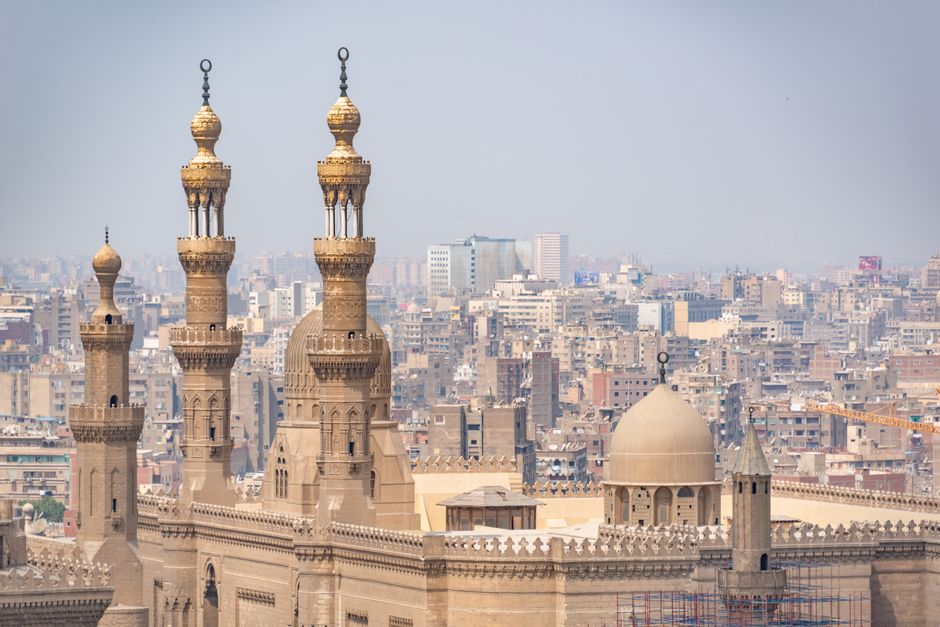
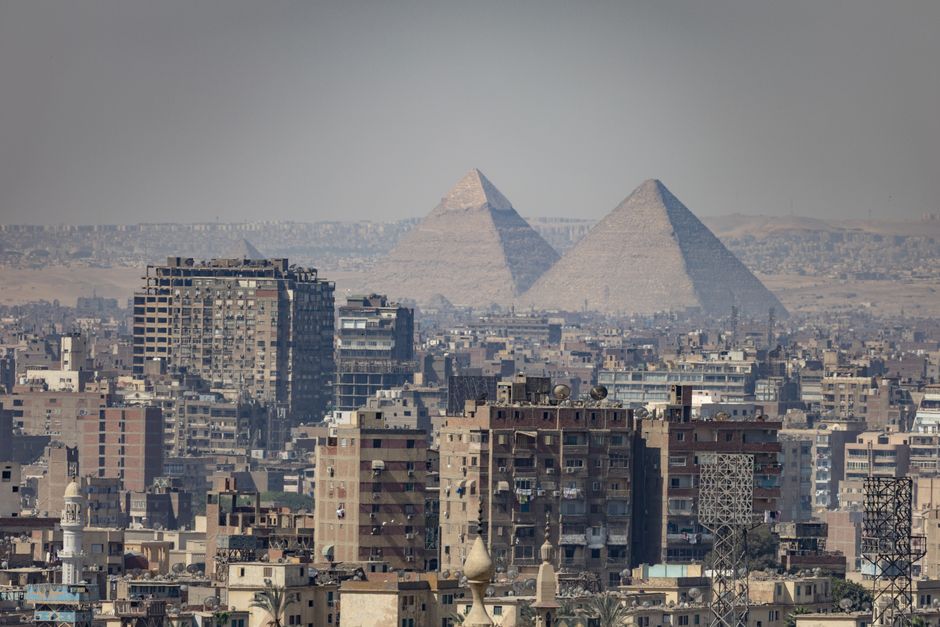
Cairo stands at a crossroads. With air quality indices regularly exceeding 200 in neighbourhoods like Helwan and Ain Shams, and freshwater reserves shrinking faster than projected, the city's environmental authorities face three pivotal decisions before September that will shape the next decade of urban sustainability.
The most immediate choice concerns the expansion of the Greater Cairo Wastewater Treatment Project. The Ministry of Housing and Public Utilities must decide whether to allocate an additional £2.3 billion toward treating sewage in Shubra and Bulaq, or redirect those funds toward the proposed recycled water distribution network for industrial zones. Current capacity serves only 65 per cent of the capital's 10 million residents, and the gap widens annually.
Simultaneously, Cairo's air quality task force must determine whether to implement stricter emissions controls on the estimated 1.2 million vehicles clogging routes between Zamalek and Nasr City. A pilot scheme introduced last year on the Corniche reduced particulate matter by 18 per cent but faced resistance from taxi operators already struggling with fuel costs hovering near 8 Egyptian pounds per litre. The decision to expand or abandon this model will significantly affect commuters across the city.
Perhaps most consequential is the pending vote on the Nile Delta Sustainability Initiative, which requires Cairo's municipal councils to either support increased investment in green spaces—particularly the restoration of parks in Dokki, Maadi, and Zamalek—or prioritise residential development to address the chronic housing shortage affecting millions.
Environmental consultants note the summer timeline is deliberate. Decisions made before the autumn legislative session in parliament will determine budget allocations for the fiscal year beginning in July 2027. Delay risks another cycle of minimal progress on emissions reduction targets established under Egypt's commitment to the Paris Climate Agreement.
The stakes are personal for Cairenes. Respiratory infections have increased 31 per cent since 2020, particularly among children in industrial areas. Water rationing, currently affecting neighbourhoods two days weekly, could intensify without infrastructure upgrades. Yet each sustainability pathway carries economic trade-offs that city planners cannot ignore.
Citizens' input remains limited. Public hearings scheduled for early July at the Cairo Governorate building on Qasr al-Aini Street offer the rare opportunity for residents to engage directly with policymakers. Environmental groups are mobilising supporters to attend, recognising that these summer decisions will reverberate through Cairo's air and waterways for years to come.
This article was compiled by AI and screened before publishing. See our editorial standards.
How does this story make you feel?
Spread the word
About this article
Published by The Daily Cairo
Daily brief
Free, in your inbox before 7am. Weekdays.
More in News