Cairo's migrant communities navigate new residency rules as summer migration season peaks
Fresh regulations and economic pressures reshape how thousands of foreign nationals are settling in Egypt's capital this week.
Fresh regulations and economic pressures reshape how thousands of foreign nationals are settling in Egypt's capital this week.
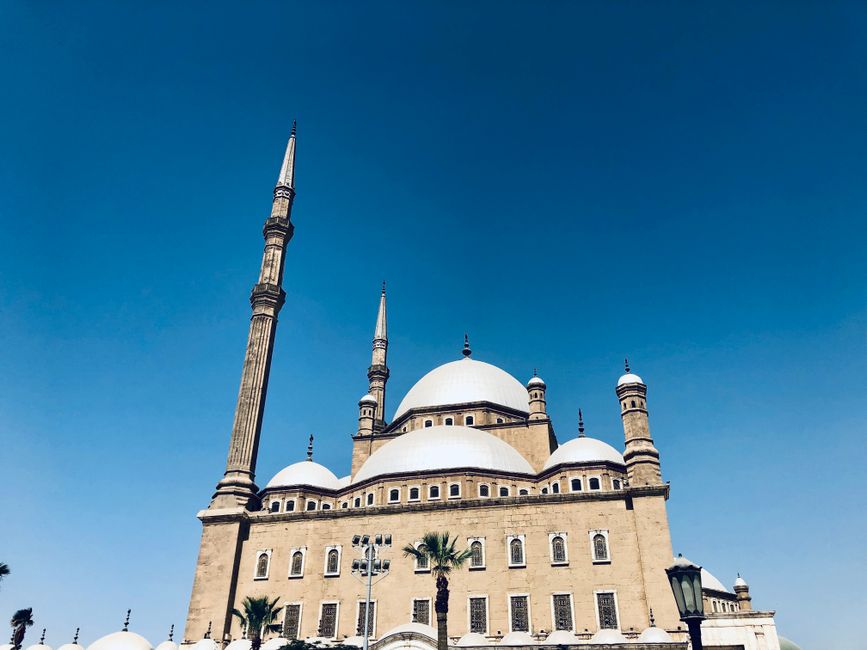
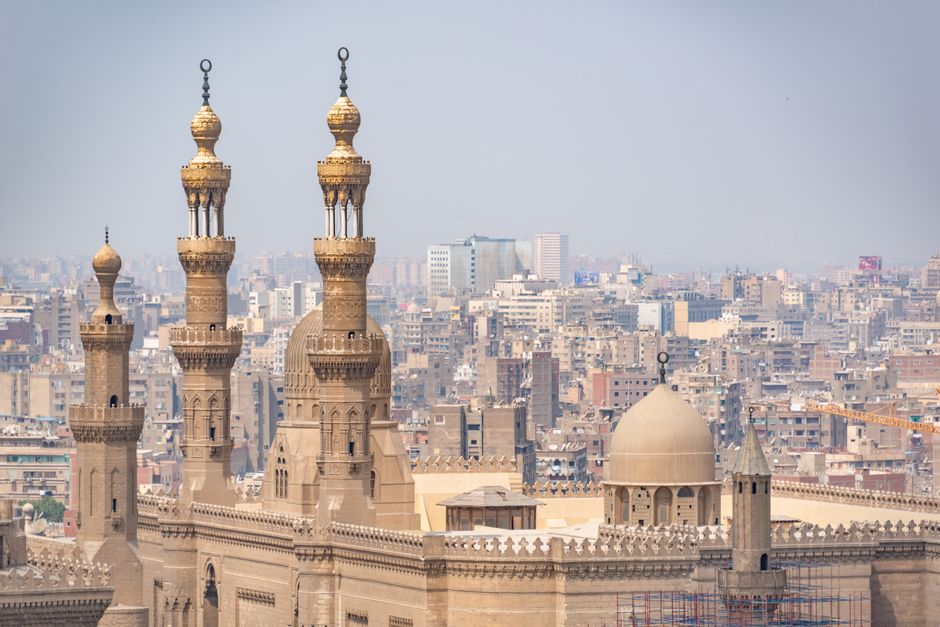
Cairo's sprawling migrant communities are grappling with a cascade of administrative changes that took effect Monday, reshaping how tens of thousands of foreign nationals navigate residency and employment in the capital. The developments come as summer migration patterns intensify, with new arrivals from Sub-Saharan Africa, South Asia, and the Levant converging on neighbourhoods like Zamalek, Heliopolis, and Downtown Cairo.
The Egyptian Ministry of Interior issued updated guidelines Friday requiring all non-citizens to renew residency permits within 90 days, down from the previous 180-day window. For the estimated 2.8 million migrants and refugees in Egypt—roughly 2.7 per cent of the population—the compressed timeline has sparked urgent queuing at the Mogamaa administrative complex on Tahrir Square and branch offices across Garden City. Sources within migrant advocacy groups report processing times have extended to 6-8 weeks, straining resources at already overwhelmed government offices.
"The timing couldn't be worse," said workers at the International Organization for Migration's Cairo office on Abdel Khalek Sarwat Street, noting increased footfall from nervous applicants seeking guidance. Simultaneously, informal housing costs in migrant-dense areas have surged. A modest two-bedroom flat in Zamalek now commands 3,500-4,200 Egyptian pounds monthly—a 12 per cent increase from March. Heliopolis and Nasr City neighbourhoods, traditionally more affordable, have seen similar pressures as newcomers compete for limited stock.
Labour market dynamics are also shifting. The construction and hospitality sectors, which traditionally absorbed significant migrant workforces, are reporting slowdowns. Several hotels along the Nile Corniche have frozen hiring, while new workplace verification requirements have made informal employment riskier for undocumented workers. This has redirected attention toward freelance sectors and remote work—a trend visible in the growing digital nomad hubs around Khan el-Khalili and near the American University in Cairo campus.
Community organisations are responding. The Coptic Evangelical Organisation for Social Services and the Egyptian Foundation for Refugee Affairs have expanded weekend legal clinics in Garden City and established Arabic-language webinars explaining new requirements. Food inflation—wheat prices up 8 per cent since April—has also intensified pressure on lower-income migrant households, forcing charities to expand food assistance programmes.
Despite the turbulence, Cairo's multicultural fabric remains resilient. Neighbourhood associations are facilitating informal information-sharing networks, while established migrant communities in Dokki and Mohandeseen are helping newcomers navigate bureaucracy. Officials expect clarity on implementation by mid-July, though uncertainty persists for many of the city's most vulnerable residents.
This article was compiled by AI and screened before publishing. See our editorial standards.
How does this story make you feel?
Spread the word
About this article
Published by The Daily Cairo
Daily brief
Free, in your inbox before 7am. Weekdays.
More in News