Cairo's Water Crisis: What Residents in Zamalek and ...
As summer temperatures soar, neighbourhoods across the capital face intermittent supply cuts—and locals are sharing hard truths about infrastructure strain.
As summer temperatures soar, neighbourhoods across the capital face intermittent supply cuts—and locals are sharing hard truths about infrastructure strain.
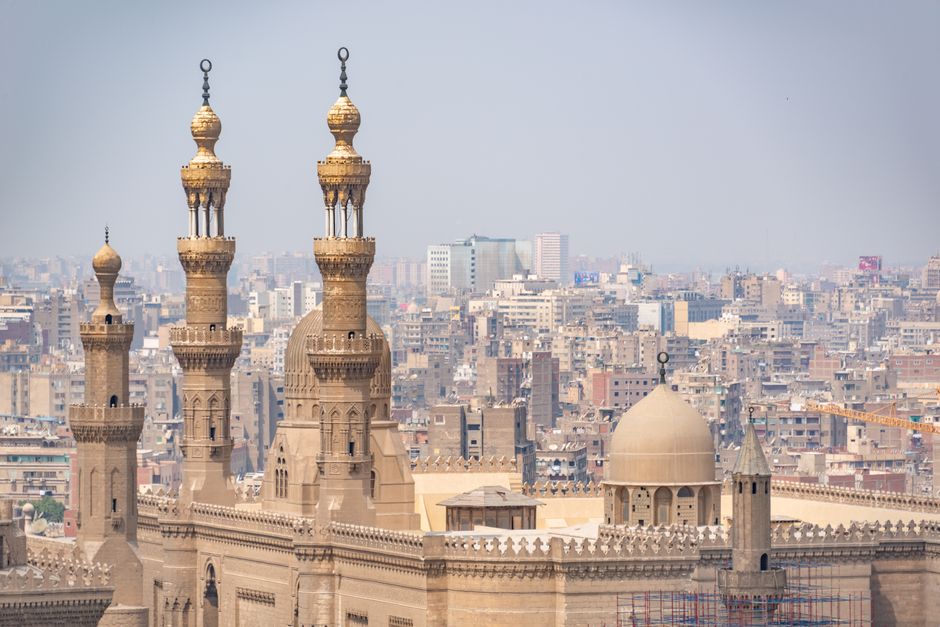
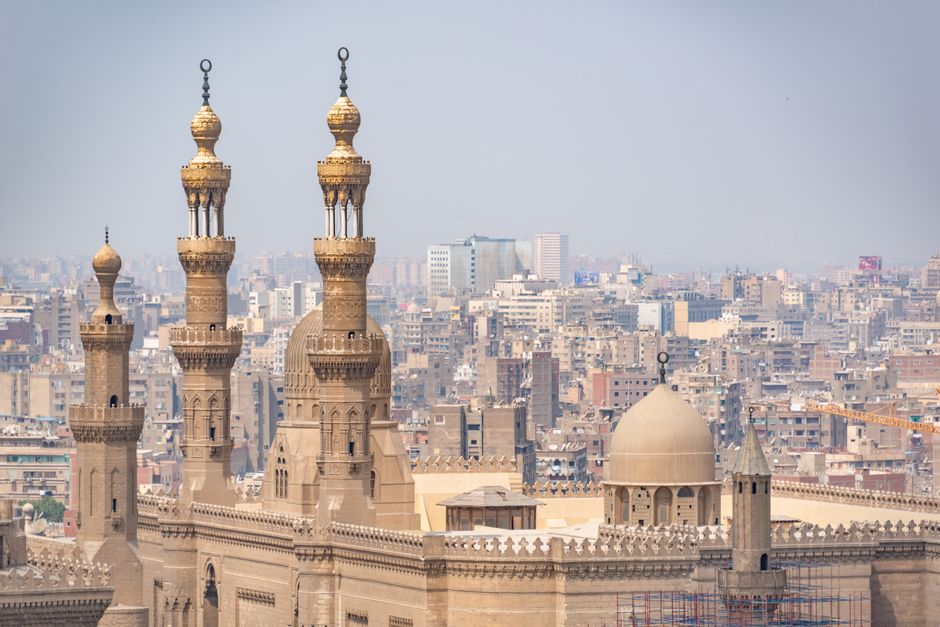
Walking through the narrow lanes of Islamic Cairo on a Tuesday morning, the sound is unmistakable: the metallic clang of water vendors filling plastic containers at public taps. It's a rhythm that has intensified this month as Cairo's water distribution system struggles under peak summer demand and aging infrastructure.
The issue isn't new, but residents say the frequency and duration of cuts have worsened. In Helwan, south of the city, families report losing supply for up to eight hours daily. In Zamalek, the upscale island neighbourhood, interruptions are less predictable but no less disruptive. Meanwhile, water bills have climbed 40 percent since 2024, according to Cairo Water Authority data, straining household budgets already pressured by broader inflation running at 27 percent.
"We've adapted our entire routine around the water schedule," says one resident of Maadi, who requested anonymity due to sensitivity around local infrastructure criticism. "My family fills every container we own before 6 a.m., when the taps usually run dry." Another household in Garden City describes rationing bathing water for children and relying on bottled supplies for drinking—an added expense many working-class families in Bulaq or Sayeda Zeinab cannot absorb.
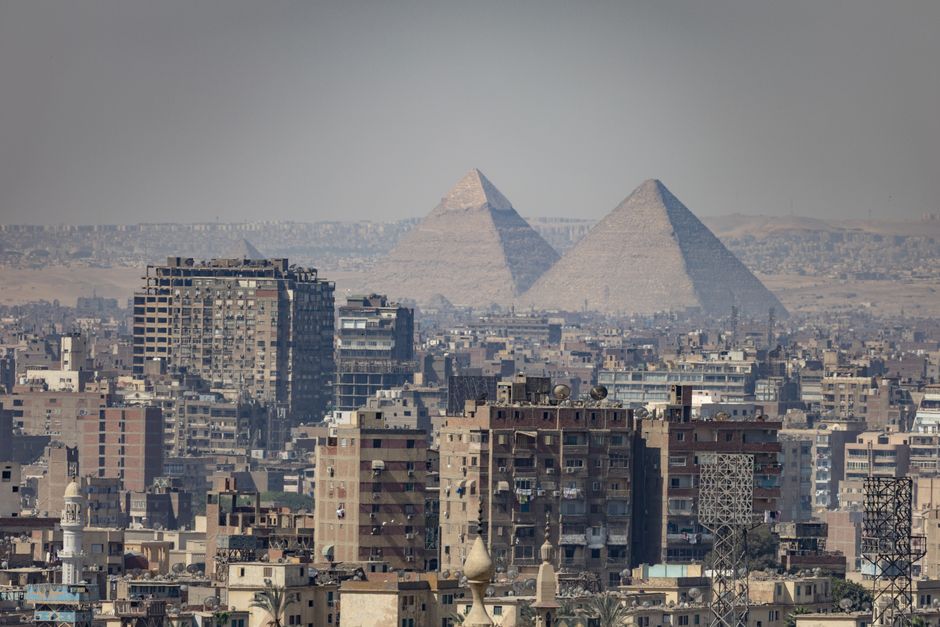
The situation intersects with Cairo's broader environmental pressures. The Nile's flow has declined due to upstream dam operations, while the city's population has swelled to nearly 20 million across the metropolitan area. The Egyptian government has pledged investment in desalination plants and network upgrades, yet delivery timelines remain vague.
Community organisations like the Cairo Residents' Forum report increasing enquiries about water rights and bill disputes. Some neighbourhoods have begun grassroots solutions—cooperative tank systems in apartment buildings, shared water collection schedules—that reflect both resourcefulness and frustration with delayed state intervention.
"People aren't angry because they expect perfection," explains a civil society coordinator familiar with local organising efforts. "They're frustrated because the conversation has been the same for five years without visible progress."
As Cairo enters what meteorologists predict will be an exceptionally hot summer, with temperatures potentially reaching 40°C, the water question has moved from infrastructure debate to daily survival concern. For many residents, the real test lies not in government announcements, but in whether their taps will flow tomorrow morning.
This article was compiled by AI and screened before publishing. See our editorial standards.
How does this story make you feel?
Spread the word
About this article
Published by The Daily Cairo
Daily brief
Free, in your inbox before 7am. Weekdays.
More in News