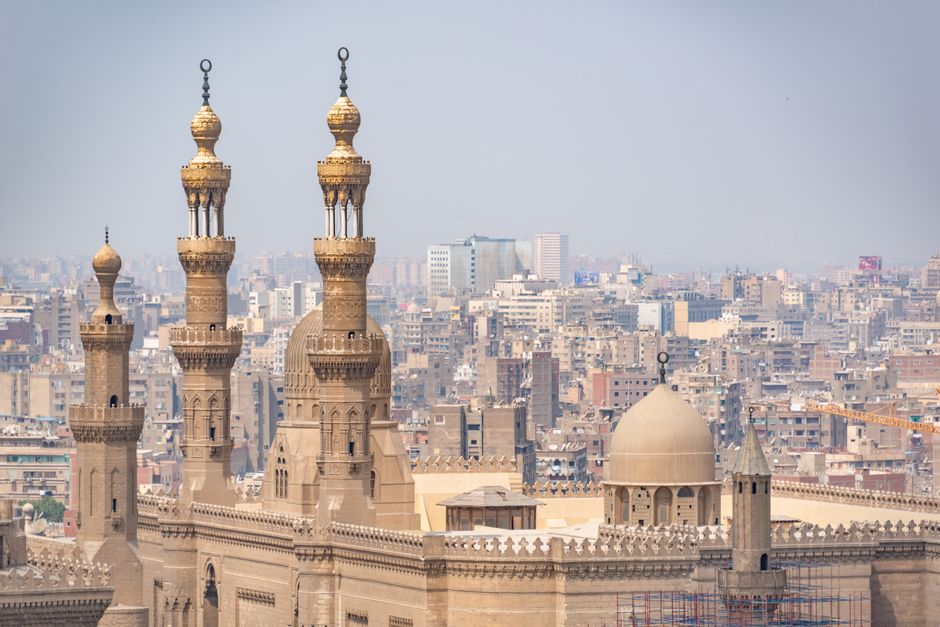
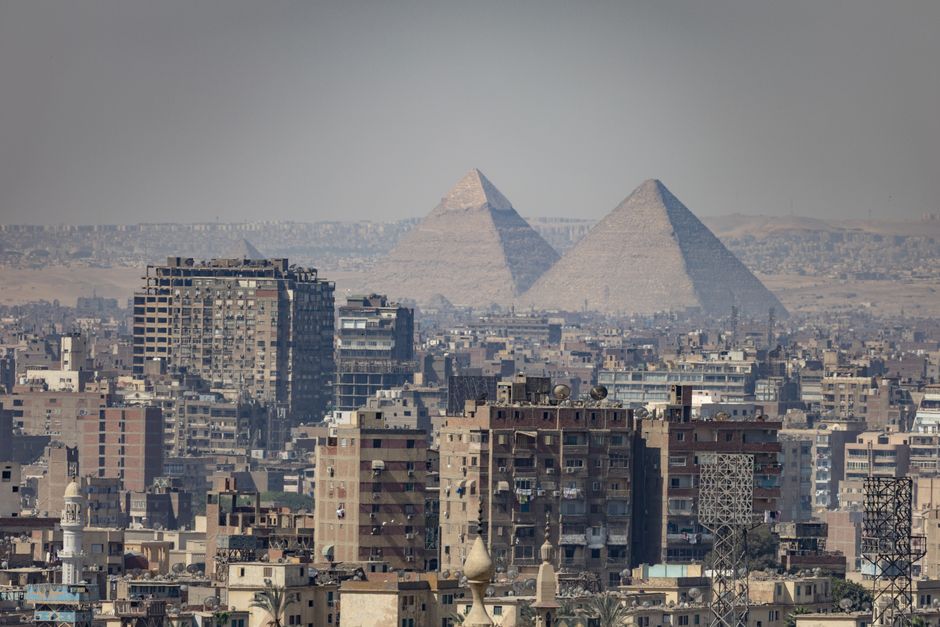
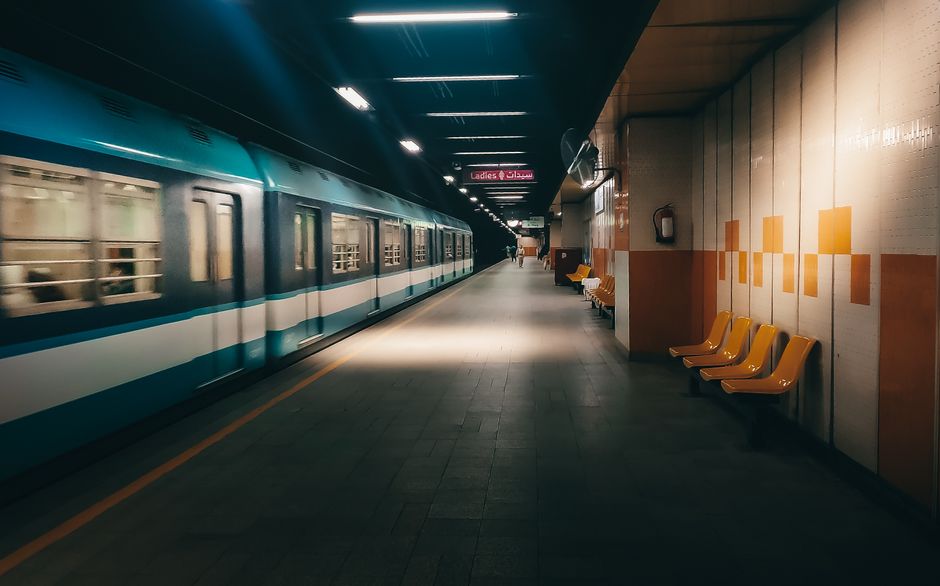
The decision point has arrived for Cairo's estimated 2.3 million foreign residents and migrants. On 1 July, Egypt's new visa and residency regulations come into force—a watershed moment that will reshape how tens of thousands of people live, work, and stay in the capital.
In neighbourhoods like Zamalek and Garden City, where wealthy expats traditionally cluster, property agents report a surge in inquiries about temporary leases and extended stays. Meanwhile, in the working-class districts of Bulaq and Rod al-Farag, where migrant workers from South Sudan, Somalia, and Syria have established informal networks, community organisers are scrambling to help people navigate paperwork.
The new framework offers three pathways: a streamlined long-term residency permit (valid three years), temporary work visas tied to specific employers, and a digital registration system for undocumented arrivals. Each carries different costs and trade-offs. A three-year permit costs approximately 8,500 Egyptian pounds and requires proof of income—a barrier for many labourers earning 150-250 pounds daily in construction or domestic work.
"We're at a crossroads," says Ahmed Salem, director of the Cairo Migrant Support Network based near Tahrir Square. "People need clarity fast. Some will regularise. Others will leave. Some will go underground."
The Egyptian government has positioned the changes as modernisation—bringing informal migration into official channels and attracting skilled foreign talent. Officials cite revenue projections of 450 million pounds annually from new permits. Yet implementation challenges loom. The Interior Ministry's new Digital Migration Portal launched only two weeks ago, with reported glitches. Processing times remain unclear.
Key decisions arrive imminently. By mid-July, employers must declare all foreign staff or face fines. By August, undocumented residents must choose: register through amnesty provisions (deadline 15 August) or risk deportation. Universities hosting international students have until 20 July to confirm enrolment status.
At the Mogamma building in central Cairo, where residency applications are processed, queues have swelled. Translation services near Midan Talaat Harb report doubled business. Travel agents along Mohamed Mahmoud Street field daily questions about visa runs to Lebanon and Turkey—exit strategies for those uncertain about staying.
For Cairo's multicultural fabric—woven from Lebanese merchants, Palestinian refugees, Sudanese traders, and Filipino caregivers—the coming weeks will test cohesion. Some communities possess resources and networks to navigate bureaucracy. Others face genuine uncertainty about their future in the city they've called home for years.
The real impact will crystallise not in policy documents, but in the lived choices of ordinary people across Cairo's neighbourhoods over the next 30 days.
This article was compiled by AI and screened before publishing. See our editorial standards.