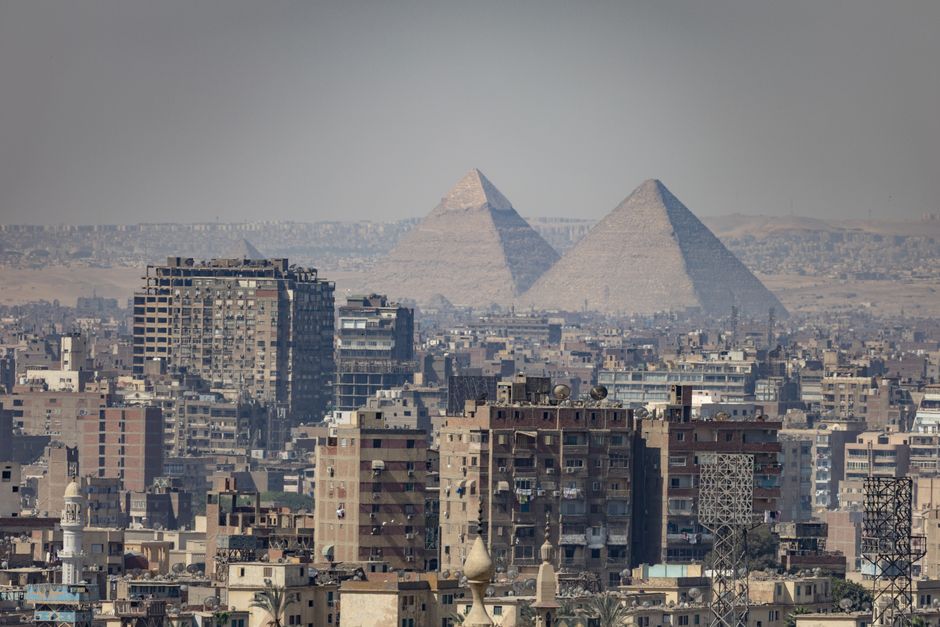
Cairo's air quality has become impossible to ignore. On particularly bad days this month, the Air Quality Index in central districts has climbed above 200—classified as unhealthy for sensitive groups and increasingly unbearable for everyone else. Residents across the city's most affected neighbourhoods are done waiting for solutions from above.
In Zamalek, one of Cairo's most affluent riverside neighbourhoods, residents report a visible brown haze settling over the island by mid-morning most days. Local shop owners along 26th of July Street say they've noticed customers complaining of respiratory irritation, and several cafes have invested in expensive air filtration systems—a cost that ultimately gets passed to consumers. "We shouldn't have to pay extra just to breathe safely in our own neighbourhood," said one Zamalek business owner who requested anonymity, reflecting widespread frustration.
The situation is more acute in Rod El-Farag, an industrial area north of Downtown where residents live in close proximity to factories, construction sites, and heavy traffic. Community health workers report increased visits from residents with respiratory complaints during June's peak pollution season. The neighbourhood's proximity to the Cairo-Alexandria Desert Road compounds the problem, with dust storms mixing with vehicular emissions to create toxic combinations.
Grassroots environmental groups have emerged to fill the void left by slow official action. The Cairo Air Quality Initiative, a volunteer-run collective based near Tahrir Square, has installed independent monitoring stations in eight neighbourhoods and publicly shares real-time data online—highlighting disparities the official government measurements sometimes downplay. Their work has galvanised community conversations about emissions sources, from industrial facilities to the estimated 4 million cars clogging Cairo's streets daily.
What's particularly striking is the class dimension residents highlight. Wealthier neighbourhoods like Heliopolis can afford private air purifiers and less exposure to industrial zones, while working-class areas absorb disproportionate pollution burdens. This inequity has sparked community meetings in Rod El-Farag and similar districts, where residents are organising to demand stricter enforcement of existing environmental regulations rather than waiting for new policies.
Several residents point to the government's €1 billion Integrated Bus Rapid Transit project as a step in the right direction—reducing car dependency could meaningfully improve air quality over time. But they emphasise the timeline matters. "We're not asking for perfection," one Rod El-Farag resident explained. "We're asking for honesty about the problem and a realistic plan with real deadlines. Our kids are breathing this air every single day."
Community pressure, it seems, is increasingly where Cairo's environmental accountability originates.
This article was compiled by AI and screened before publishing. See our editorial standards.