For residents of Garden City and surrounding districts, the arrival of summer means bracing for electricity bills that routinely exceed 3,000 Egyptian pounds—a burden that has driven families to air-condition only single rooms or abandon comfort altogether. But a confluence of neighbourhood-led sustainability initiatives launched across Cairo over the past eighteen months is beginning to shift that equation, offering tangible relief to households while tackling the capital's notorious air quality crisis.
The Cairo Environmental Collective, operating out of a modest office near Tahrir Square, has partnered with municipal authorities to retrofit older apartment buildings across Heliopolis and Nasr City with solar panel installations. Early data shows participating households reducing monthly electricity consumption by up to 35 percent—translating to savings of roughly 1,000 pounds monthly for an average family. More significantly, the initiative has created 240 local jobs in installation and maintenance, much of it concentrated in Imbaba and Bulaq, neighbourhoods where unemployment remains chronically high.
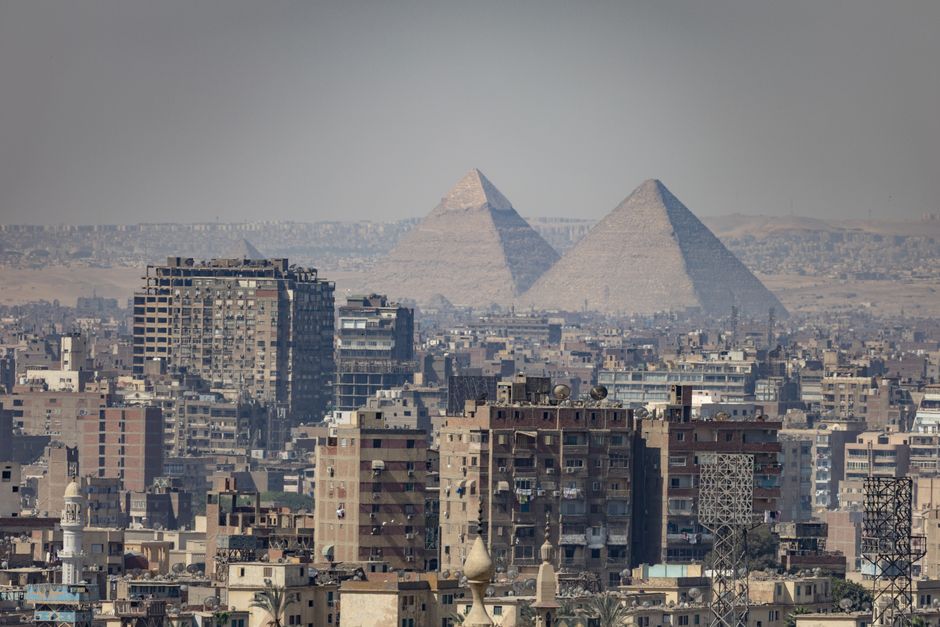
The initiative arrives as Cairo battles air quality indices that regularly exceed safe thresholds. The American University in Cairo's Atmospheric Research Centre recorded particulate matter readings last month that were 4.7 times World Health Organization limits. Residents of Maadi, Dokki, and Mohandiseen report respiratory complaints surging in recent years, particularly among children and elderly populations.
Green spaces present another frontier. A regeneration project centred on the Nile Corniche between the Qasr El Nile Bridge and Gezira Island has introduced over 2,000 native tree plantings and expanded cycling paths. Local shopkeepers along the waterfront report increased foot traffic and spending, while residents cite cooler evening temperatures—ambient air temperature in the immediate area has dropped measurably during cooler months.
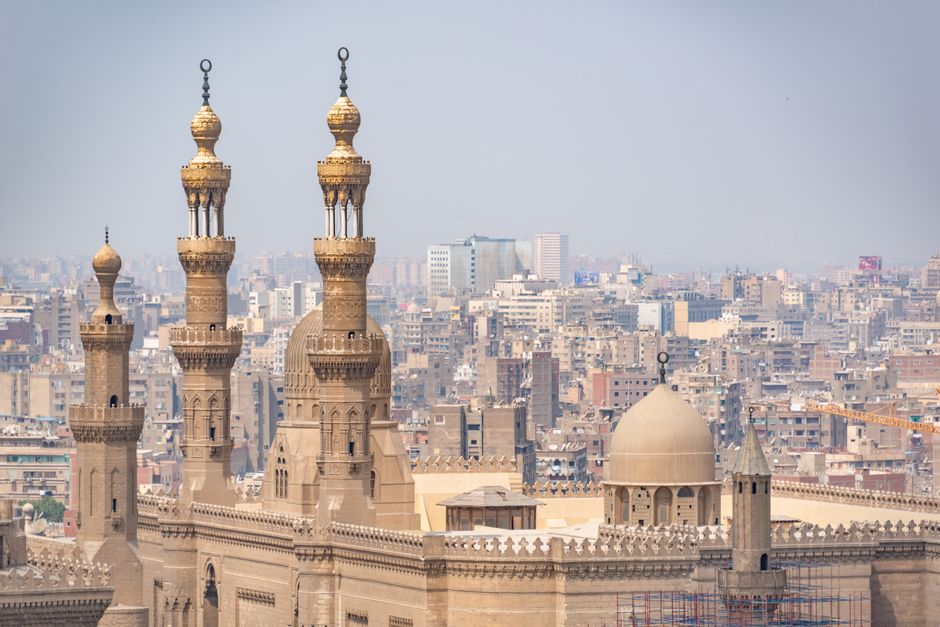
Waste management reforms, meanwhile, have proven unexpectedly popular in Coptic Cairo and Islamic Cairo, where informal waste collection networks have long dominated. Structured recycling facilities now operating near Khan El-Khalili and the Al-Azhar district offer residents modest compensation for sorted recyclables—a small income supplement for pensioners and informal workers that carries real meaning.
These are not grandiose transformations. They are modest, incremental improvements. But for a Cairo resident calculating whether to run the air conditioning or purchase medicine, or a parent concerned about their child's persistent cough, the difference is measurable and real. Sustainability, it turns out, is not abstract philosophy. It is the electricity bill that comes due in August.
This article was compiled by AI and screened before publishing. See our editorial standards.