Cairo's Municipal Council Approves Major Infrastructure ...
Transport improvements and housing initiatives dominate the agenda as the Greater Cairo Authority charts course for the second half of 2026.
Transport improvements and housing initiatives dominate the agenda as the Greater Cairo Authority charts course for the second half of 2026.
Cairo's municipal governance took significant steps forward this week as the Governorate's Planning Committee greenlit a series of infrastructure projects aimed at alleviating congestion and expanding affordable housing across the sprawling metropolitan area.
The decision, finalised on Wednesday at the Cairo Governorate headquarters on Qasr al-Nil Street, marks the culmination of months of deliberation between local authorities, civil engineers, and community representatives. The initiative addresses persistent transportation bottlenecks that have plagued residents of Helwan, Shubra, and the 6th of October City satellite community, where commute times have averaged 90 minutes during peak hours.
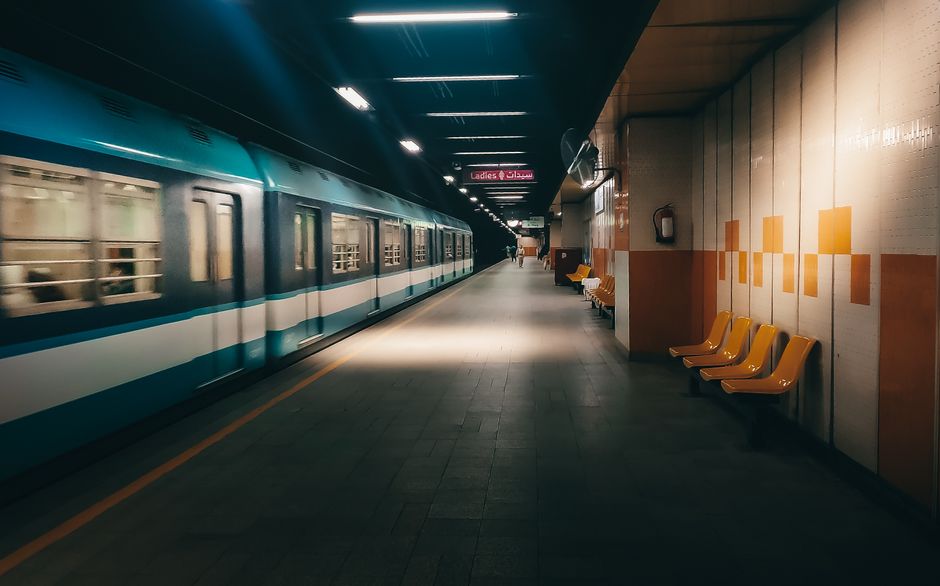
Transportation officials announced that the first phase involves rapid-transit corridor improvements along the Ring Road, with particular focus on the intersection near Nasr City's commercial district. Budget allocation of 850 million Egyptian pounds has been earmarked for widening key arterial routes and installing modern traffic management systems by March 2027. The project is expected to reduce average commute times by approximately 25 per cent, according to preliminary engineering assessments.
In parallel developments, the Housing and Urban Development sector revealed plans for three new residential compounds in New Cairo and East Cairo, targeting middle-income households. These ventures aim to ease the housing shortage that has kept rental prices inflated across central neighbourhoods—currently averaging 3,500 pounds monthly for modest two-bedroom apartments in Zamalek and Garden City.
The council also addressed sanitation management following mounting complaints from residents in Maadi and Heliopolis regarding waste collection delays. A new contractual framework with waste management operators was ratified, stipulating stricter collection schedules and penalties for non-compliance. Weekly pickups are now guaranteed across all residential zones, with officials promising compliance within 30 days.
Perhaps most notably, the week saw approval for enhanced public consultation mechanisms. Moving forward, neighbourhood assemblies will convene monthly in each district—from central Cairo's historic quarters to peripheral areas like New Administrative Capital's feeder zones—ensuring residents have direct input on local spending priorities and infrastructure decisions.
These developments reflect broader efforts to modernise Cairo's Byzantine bureaucratic systems, which have long frustrated both citizens and investors. While implementation timelines remain ambitious, governance observers suggest the initiatives signal genuine commitment from municipal leadership to address long-standing service deficiencies.
Next week's agenda includes public hearings on green space expansion in Gezira and revised parking regulations for downtown Cairo.
This article was compiled by AI and screened before publishing. See our editorial standards.
How does this story make you feel?
Spread the word
About this article
Published by The Daily Cairo
Daily brief
Free, in your inbox before 7am. Weekdays.
More in News