Cairo Housing Crisis: Density vs Relocation Plans Debated
Cairo officials push density in Zamalek and Garden City as housing advocates debate informal settlement relocation. New zoning proposals expected next month.
Cairo officials push density in Zamalek and Garden City as housing advocates debate informal settlement relocation. New zoning proposals expected next month.

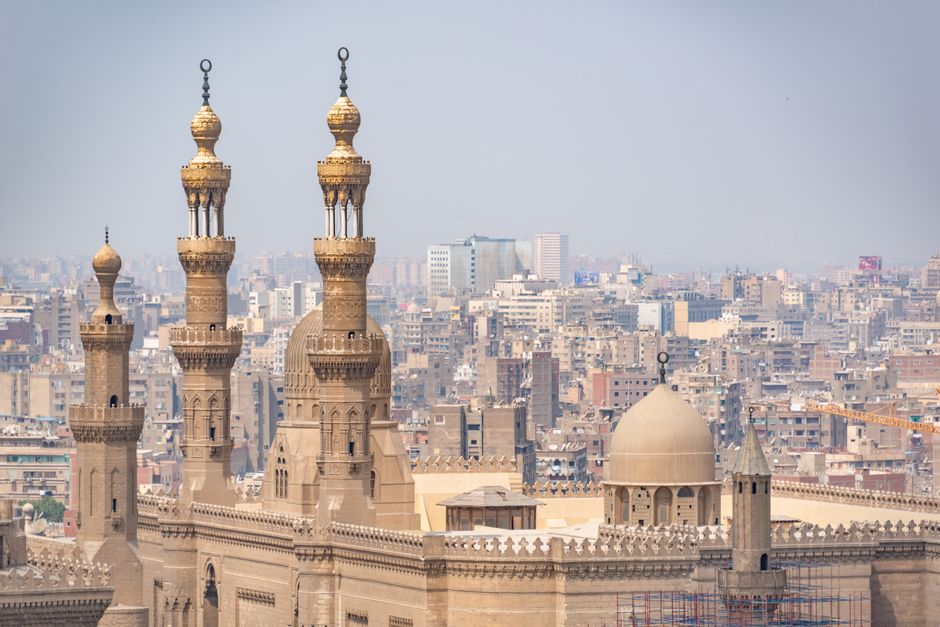
Housing officials and urban planners in Cairo are locked in a contentious debate over the city's future residential landscape, with conflicting visions emerging from government ministries, real estate developers and civil society groups ahead of new zoning proposals expected next month.
The Ministry of Housing, Utilities and Urban Communities has signalled support for increased density in central neighbourhoods including Zamalek, Garden City and Heliopolis, citing pressure from Cairo's estimated 21 million residents. Officials argue that vertical expansion of existing districts could ease strain on infrastructure without consuming additional agricultural land—a sensitive issue given Egypt's limited arable terrain.
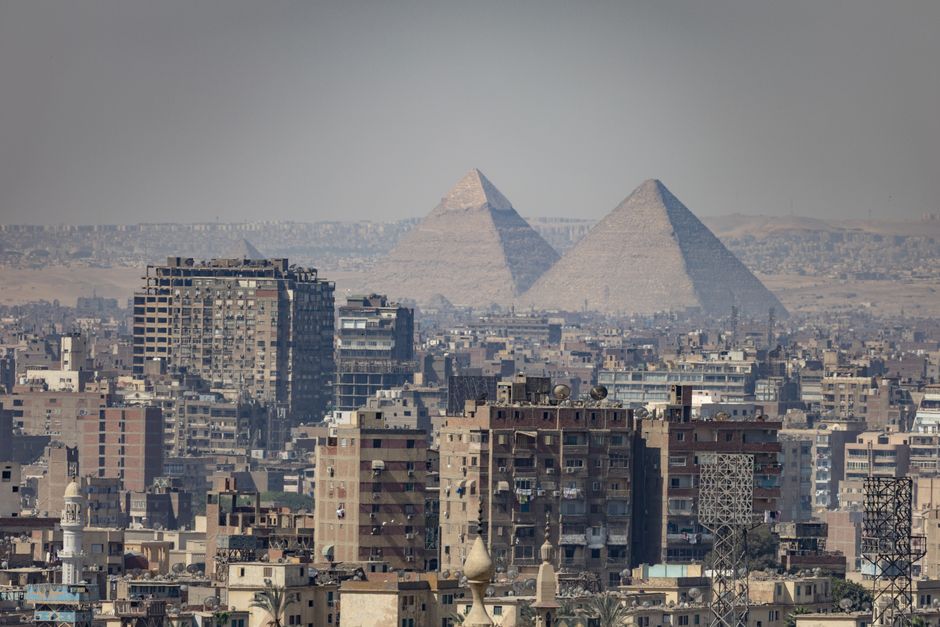
However, housing rights advocates and independent urban planners warn that density-first approaches risk repeating mistakes visible across eastern Cairo's sprawling informal neighbourhoods, where overcrowding has outpaced water and sanitation services. Dr. Khaled Abdelhalim, an urban planning consultant who has worked with Cairo's governorate, has publicly cautioned against "transplanting vertical slums into downtown districts."
The debate intensifies as the New Administrative Capital project—originally envisioned as Cairo's pressure valve—has faced construction delays and revised timelines. Real estate prices in established central Cairo neighbourhoods have consequently remained elevated, with modest two-bedroom apartments in Dokki averaging 4.2 million Egyptian pounds, according to recent property surveys.
Developer associations, meanwhile, are pushing for expedited permits in the 6th of October City and New Cairo zones, arguing that satellite expansion remains cheaper and more practical than retrofitting existing infrastructure. The Real Estate Chamber of Commerce has called for streamlined environmental reviews to accelerate projects in these areas.
The Cairo Governorate has remained relatively quiet on specifics, though municipal officials have hinted at a "mixed approach"—densification in some districts paired with managed expansion elsewhere. Public consultations are scheduled for early July at the Cairo Opera House and the American University in Cairo campus.
What complicates matters further is the informal housing sector, which shelters roughly 40 per cent of Cairo's population across areas like Imbaba, Manshiyat Nasser and Rod El-Farag. Officials have acknowledged that any new policy must address these neighbourhoods, yet proposals remain vague and under-resourced.
As the discussion unfolds, one consensus has emerged across stakeholder groups: Cairo cannot sustain its current trajectory without decisive action. Whether that action comes through density, relocation, or incremental reform remains the central question occupying planners, officials and citizens alike.
This article was compiled by AI and screened before publishing. See our editorial standards.
How does this story make you feel?
Spread the word
About this article
Published by The Daily Cairo
Daily brief
Free, in your inbox before 7am. Weekdays.
More in News