Cairo's housing crisis reveals widening gap with global peers as urban planning struggles to match demand
While cities worldwide grapple with affordability, Egypt's capital faces unique pressures that policy reforms have yet to adequately address.
While cities worldwide grapple with affordability, Egypt's capital faces unique pressures that policy reforms have yet to adequately address.
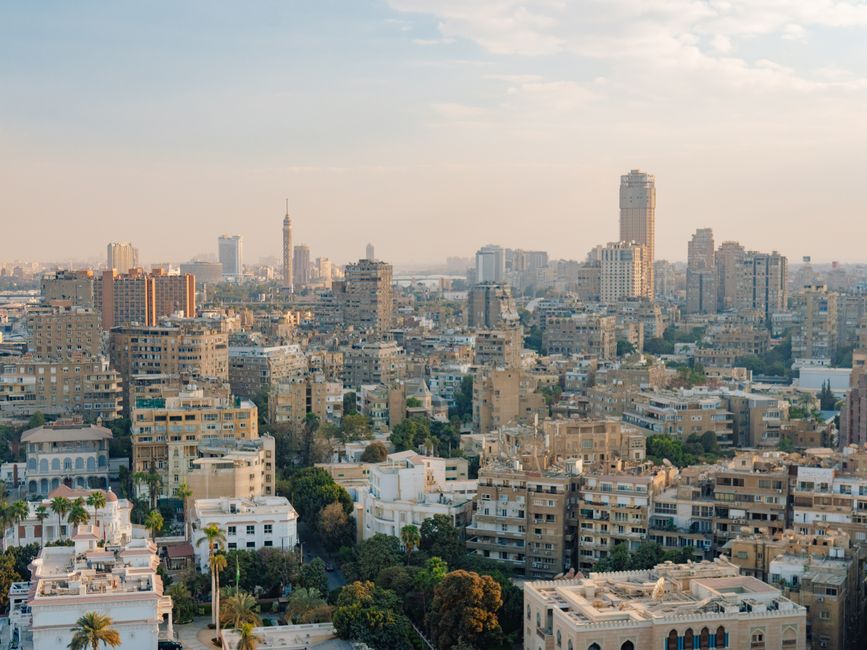
Cairo's housing challenge mirrors crises unfolding across the globe, yet the Egyptian capital's response remains notably constrained by fiscal limitations and competing urban priorities that cities like Istanbul, Lagos, and São Paulo have begun tackling with greater urgency.
The numbers tell a sobering story. Housing prices in central Cairo neighbourhoods—from Garden City to Zamalek—have climbed beyond reach for middle-income earners, with average rents consuming 40-50% of household income. Comparable figures in Singapore and Barcelona have prompted aggressive policy interventions. Cairo has yet to match that momentum. The government's New Administrative Capital project, launched with grand promises of decentralising pressure from the Nile Valley, has attracted only modest residential uptake, with completion timelines slipping repeatedly.
International peer cities offer instructive contrasts. Istanbul has implemented rent stabilisation measures and fast-tracked affordable housing zones on the city's periphery, integrating transport links to central districts. Nairobi introduced mixed-income zoning requirements in new developments. Even Lagos, wrestling with Africa's most acute housing shortage, has partnered with private developers on social housing schemes offering subsidised mortgages.
Cairo's informal settlements—home to nearly 3 million residents across areas like Imbaba, Manshiet Nasser, and sprawling zones beyond Ring Road—represent both the crisis's scale and the policy vacuum. While authorities have invested in formalisation programmes, they lack the coordinated financing mechanisms that Barcelona deployed through municipal bonds, or the land-value capture strategies Singapore refined decades ago.
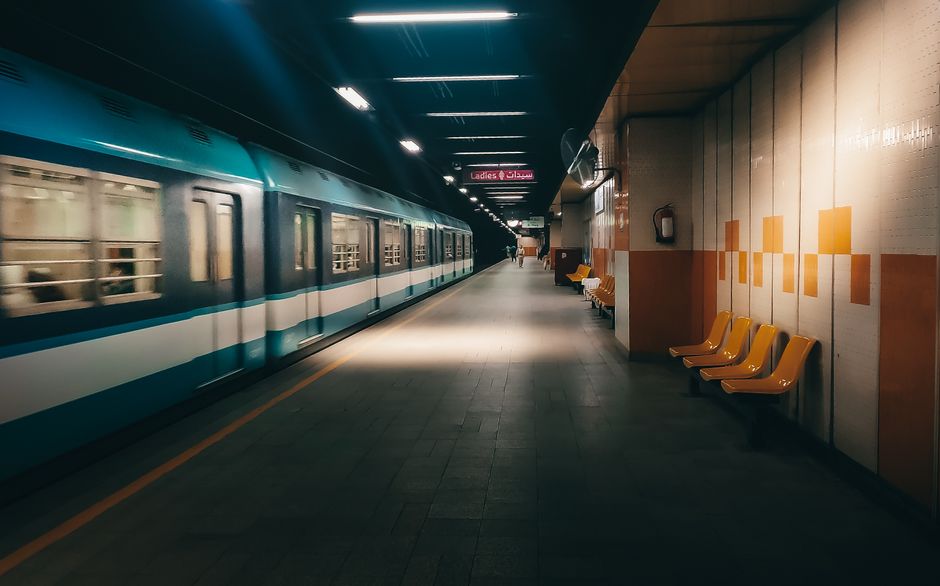
Recent months have seen modest shifts. The Housing and Building Research Centre, based near Tahrir Square, released updated guidelines for sustainable urban densification. Local NGOs and urban planning institutes have advocated louder for mixed-income residential corridors along the metro expansion routes—a model successfully tested in Mumbai and Mexico City. Yet implementation remains piecemeal.
The informal rental market dominates Cairo's reality. Without formal property registries in many neighbourhoods and limited enforcement capacity, renters lack protections that cities from Buenos Aires to Bangkok have legislated. Eviction risks remain high; tenure security remains elusive for millions.
Cairo's planners face distinct constraints: rapid population influx exceeding infrastructure capacity, competing demands for water and energy, and limited municipal revenue. These pressures distinguish it from wealthier peer cities. Yet the gap between Cairo's policy response and global best practices continues widening. Without accelerated reforms—targeted subsidies, zoning reform, transport-integrated housing—the capital risks deepening inequality at precisely the moment other major cities are attempting, however imperfectly, to reverse it.
This article was compiled by AI and screened before publishing. See our editorial standards.
How does this story make you feel?
Spread the word
About this article
Published by The Daily Cairo
Daily brief
Free, in your inbox before 7am. Weekdays.
More in News