As Cairo's population edges toward 21 million residents, community leaders and municipal officials are locked in a delicate dispute over the future of the city's most densely populated informal neighbourhoods, with stark differences emerging over how to address a chronic housing shortage that has left hundreds of thousands living in cramped, inadequate conditions.
The tension came to a head this week when representatives from Imbaba, Bulaq, and parts of Helwan presented their concerns to the Governorate's Housing Committee, citing concerns about proposed relocation schemes that would displace families to newly developed satellite communities on Cairo's periphery. Local NGO leaders and neighbourhood coordinators argued that such moves would sever social ties and economic networks that have sustained residents for generations.
"The plans look good on paper, but they ignore the reality on the ground," said a spokesperson for the Imbaba Community Development Association, speaking to The Daily Cairo on condition of anonymity due to sensitivity around government relations. "When you move families 40 kilometres away from their workplaces and extended families, you're not solving a housing problem—you're creating a social one."
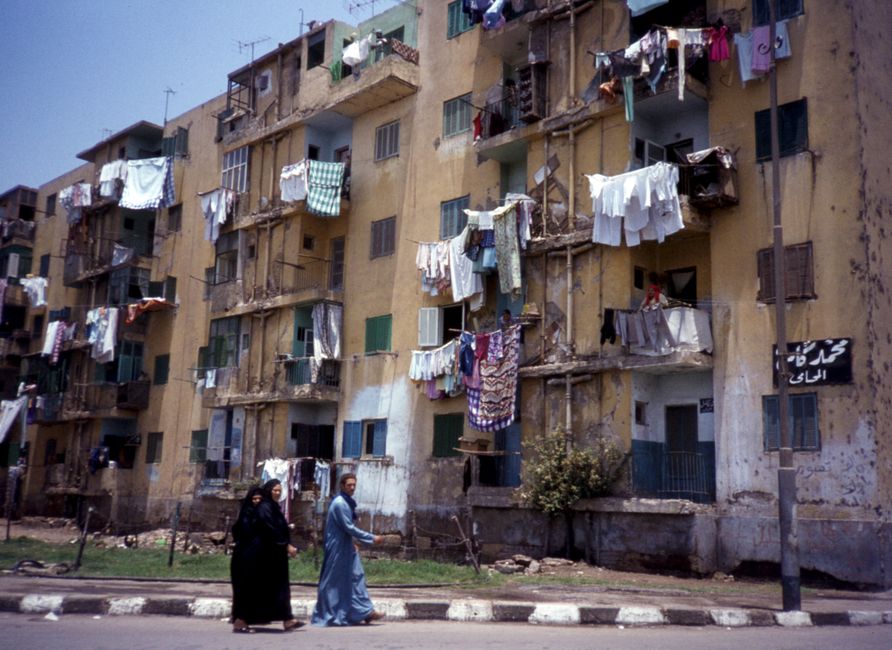
The dispute reflects broader challenges facing Cairo's urban planners. Current estimates suggest approximately 3.5 million Cairenes live in informal housing, with average floor space of just 8-12 square metres per person in neighbourhoods like Zawiyya al-Hamra and parts of Qasr al-Nil. Monthly rent in these areas ranges from 400 to 800 Egyptian pounds, making them among the city's most affordable options.
Housing specialists have warned that without coordinated solutions, the pressure will intensify. Dr. Mohamed El-Sayed, an urban development consultant cited in recent housing ministry briefings, has highlighted the need for mixed-income developments within existing neighbourhoods rather than wholesale relocations. His research, presented to local authorities, suggests incremental upgrading of infrastructure in situ could address both housing density and livability concerns.
The Governorate, meanwhile, has signalled flexibility. Officials working on the New Administrative Capital overflow plans acknowledged in recent statements that any large-scale relocation must include sustained transportation subsidies, job creation initiatives, and preservation of community governance structures. The Housing Ministry's spokesperson indicated that consultations with neighbourhood leaders would continue throughout the second half of 2026.
For residents like those in Bulaq al-Dakrour, where buildings regularly exceed eight storeys with inadequate water and sewage systems, the debate feels abstract. Yet what officials decide in coming months could reshape neighbourhoods that have anchored Cairo's working-class identity for decades.
This article was compiled by AI and screened before publishing. See our editorial standards.