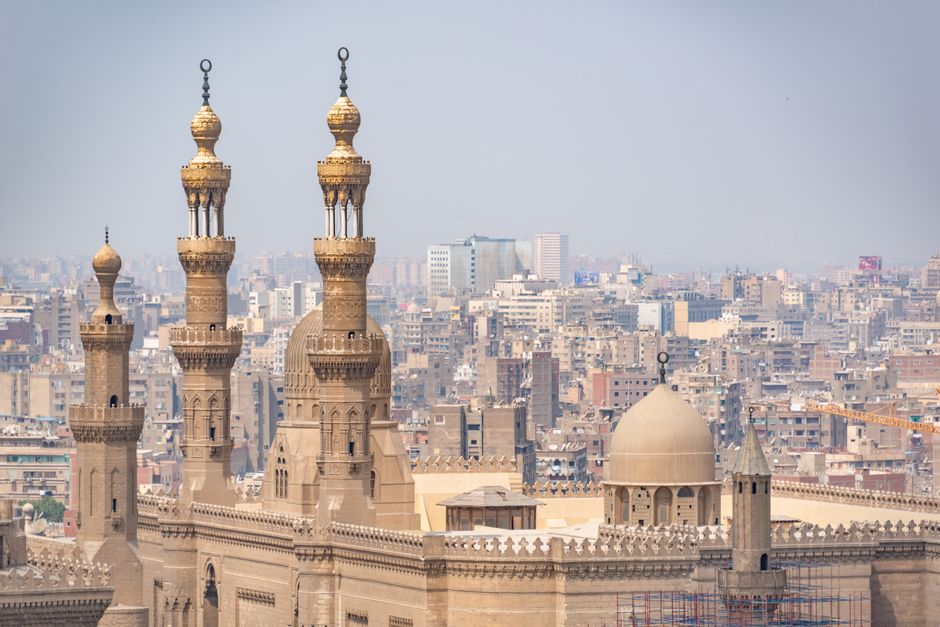
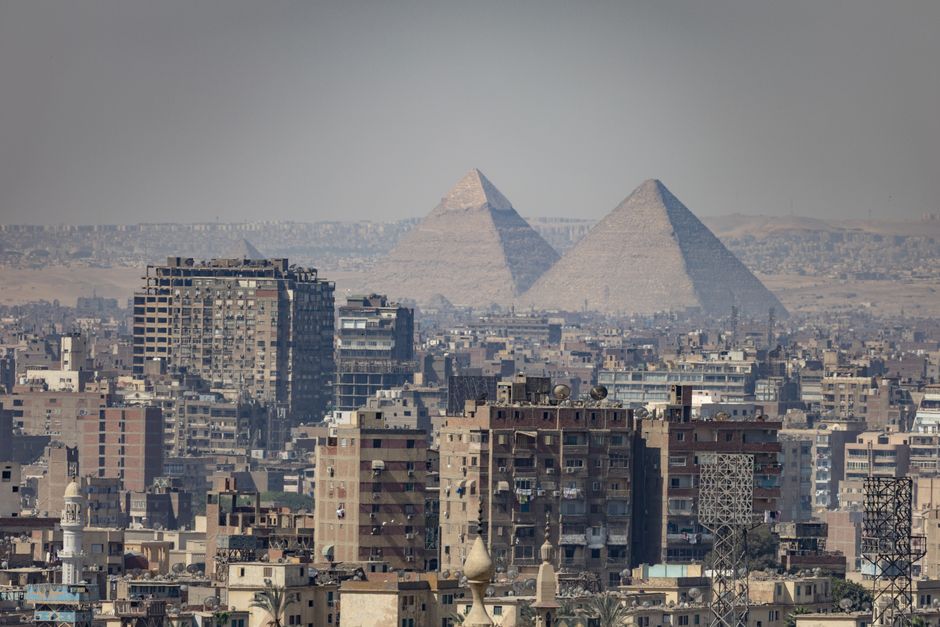
Walk through the narrow lanes of Manshiet Nasser today, and you'll find a neighbourhood in constant flux—cranes towering above corrugated-iron workshops, families squeezing into five-storey buildings that barely existed a decade ago, and street vendors navigating alleyways that official Cairo maps barely acknowledge. But this transformation didn't happen overnight. Understanding how Manshiet Nasser became one of Cairo's most densely populated informal settlements requires looking back at the decisions—and lack thereof—that shaped the past ten years.
The neighbourhood, historically known as a waste-picker community along the eastern escarpment near the Citadel, began experiencing unprecedented pressure around 2016. As formal housing prices across central Cairo surged beyond 8,000 Egyptian pounds per square metre, families seeking affordable accommodation looked eastward. The informal sector, lacking stringent building codes, offered an alternative: a two-room apartment in Manshiet Nasser could rent for 400-600 pounds monthly, compared to 1,500 or more in nearby Zamalek or Heliopolis.
Between 2016 and 2024, the neighbourhood's population nearly tripled, according to informal surveys by the Cairo-based Urban Development Institute. The lack of official census updates makes precise figures elusive, but municipal waste collection data shows collection volumes increasing by roughly 240 percent—a telling proxy for residential growth.
This explosive expansion occurred with minimal infrastructure investment. The three primary health clinics serving the area handle patient loads triple their intended capacity. Schools like those along Gamal Abdel Nasser Street operate double or triple shifts. Water pressure drops to a trickle during peak hours in upper buildings, and sewage systems originally designed for 50,000 residents now strain under approximately 150,000 people.
Local community organisations, including the Manshiet Nasser Development Association founded in 2012, have repeatedly petitioned the governorate for formalisation and services. Yet bureaucratic gridlock—disputes over land titles, competing municipal jurisdictions, and limited budgets—has meant that infrastructure improvements lag far behind population growth.
The story of Manshiet Nasser reflects broader patterns across Cairo's informal zones. Between 2010 and 2024, informal settlements expanded to accommodate over 3 million residents, roughly 20 percent of the metropolitan area's population. What began as economic necessity has become a structural reality that city planners, community leaders, and residents themselves are now forced to address.
For those living there, the question isn't how the neighbourhood arrived at this point—they lived through it. The question now is what comes next.
This article was compiled by AI and screened before publishing. See our editorial standards.