Cairo's municipal government faces a peculiar challenge: managing a megacity of nearly 21 million people while simultaneously watching how Shanghai, Mumbai, and Lagos handle similar pressures. This month, the Cairo Governorate's newly restructured administrative divisions in Nasr City and Heliopolis offer a revealing window into how Egypt's capital is—and isn't—keeping pace with global urban management standards.
The recent consolidation of fourteen district councils into eight larger administrative zones represents the kind of top-down efficiency push that worked spectacularly in Singapore but has produced mixed outcomes elsewhere. Unlike Seoul's successful transition to smart governance in the 1990s, Cairo's merger lacks the accompanying digital infrastructure investments. Most service requests in neighbourhoods like Maadi and New Cairo still require physical visits to government offices rather than online platforms, creating bottlenecks that mirror pre-reform Istanbul more than contemporary Seoul.
"We're borrowing from multiple models without fully implementing any single one," explains the thinking among Cairo's planning authorities, based on interviews with local administrative officials. The governorate has installed CCTV systems on key thoroughfares like the Corniche and around Tahrir Square—infrastructure modelled on London and Toronto approaches—yet lacks the real-time data analytics that make those systems effective elsewhere.
Housing costs present another divergence. A modest two-bedroom apartment in New Cairo's gated communities now rents for 8,000-12,000 EGP monthly, pushing working-class families toward distant suburbs like 6th of October City—a sprawl pattern that mirrors São Paulo's favela problem rather than Barcelona's mixed-income zoning model. Cairo's informal settlements, home to roughly four million residents, receive minimal municipal services compared to Jakarta's pragmatic approach of integrating informal sectors into formal governance structures.
Where Cairo does excel is waste management innovation. The Zabaleen recycling community, centred in Manshiyat Nasser, operates what international urban planners now cite as a grassroots alternative to expensive municipal systems—though the governorate has been slow to formalize this success. Meanwhile, Istanbul and Bangkok have invested heavily in similar community partnerships.
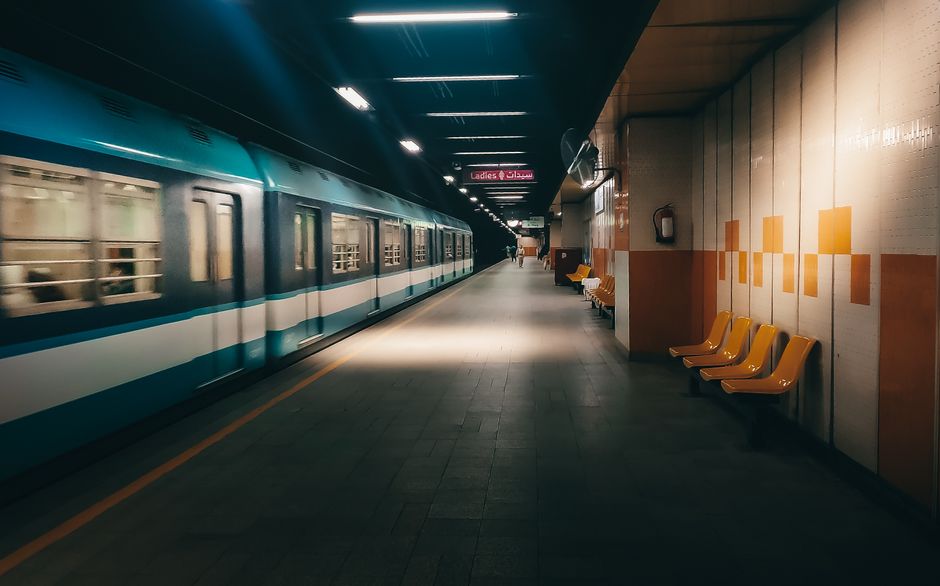
The governorate's June announcement of expanded public transport corridors along Ramses Street reflects ambition comparable to Mumbai's metro expansion, yet funding gaps and implementation timelines remain opaque. Local residents in Dokki and Agouza report buses still operating on decades-old schedules.
As Cairo navigates these competing models, the question remains: can selective borrowing from global best practices compensate for systemic challenges that demand comprehensive, long-term investment? Other megacities suggest the answer requires both vision and patience.
This article was compiled by AI and screened before publishing. See our editorial standards.