Voices from the Nile: Cairo's residents demand action as ...
Community members in Zamalek and Garden City are pushing back against air quality crises and waste management failures, forcing officials to listen.
Community members in Zamalek and Garden City are pushing back against air quality crises and waste management failures, forcing officials to listen.
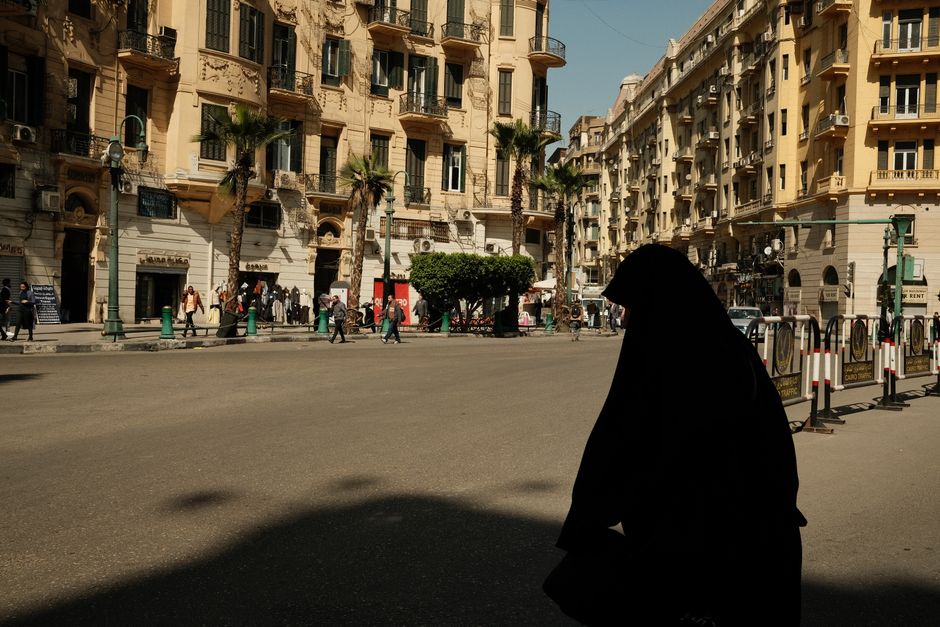
Amidst Cairo's choking summer heat, residents from the upscale Zamalek neighbourhood to the working-class districts of Shubra are uniting around a singular complaint: the city's environmental collapse is suffocating them, and government promises ring hollow.
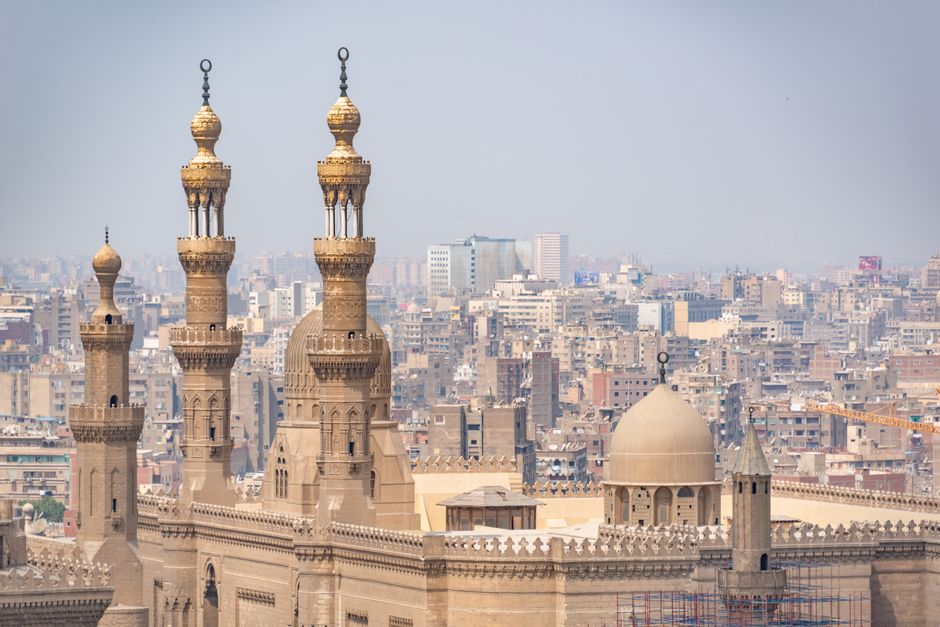
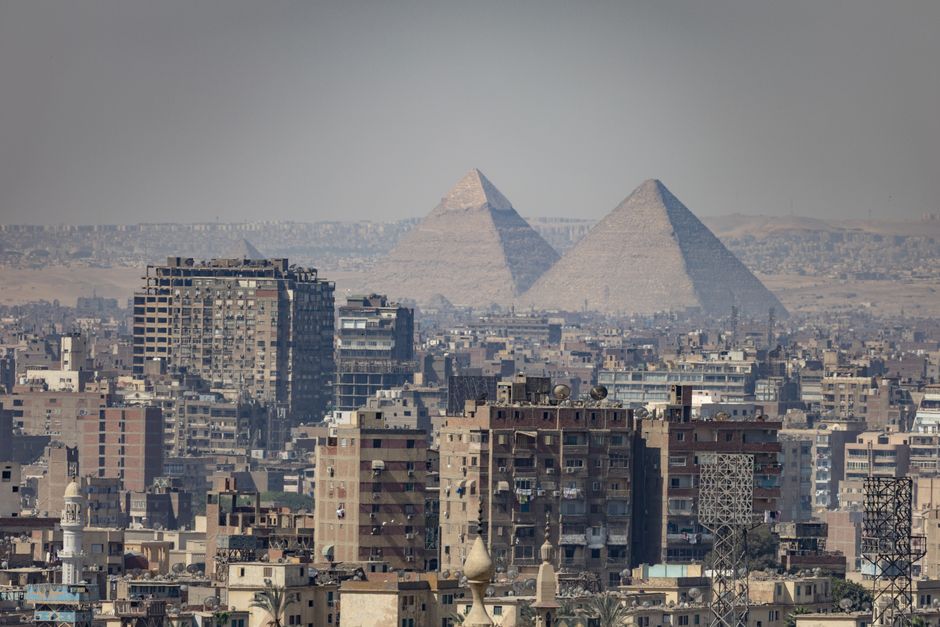
Air quality indices in central Cairo have exceeded hazardous levels for 47 consecutive days this year, according to monitoring data from the Cairo Air Quality Index initiative. On particularly bad days, PM2.5 particles—the most dangerous pollutant—reach levels three times the World Health Organisation's recommended threshold. Residents describe the invisible toxins as an everyday reality that forces children indoors and triggers respiratory emergencies.
"We cannot open our windows after 8 a.m.," said a shop owner in Garden City's busy commercial district near the American University of Cairo. "This wasn't the case five years ago. Something must change." The sentiment echoes across Cairo's middle and upper-class neighbourhoods, where residents have the resources to voice concerns publicly.
The waste crisis compounds these anxieties. Cairo produces approximately 19,000 tonnes of municipal waste daily, yet collection infrastructure has deteriorated markedly. Streets around Tahrir Square and along the Corniche frequently display overflowing bins, with collection delays reaching up to five days in some districts. Residents report that informal waste burning—a common practice in peripheral areas—significantly worsens air pollution during evening hours.
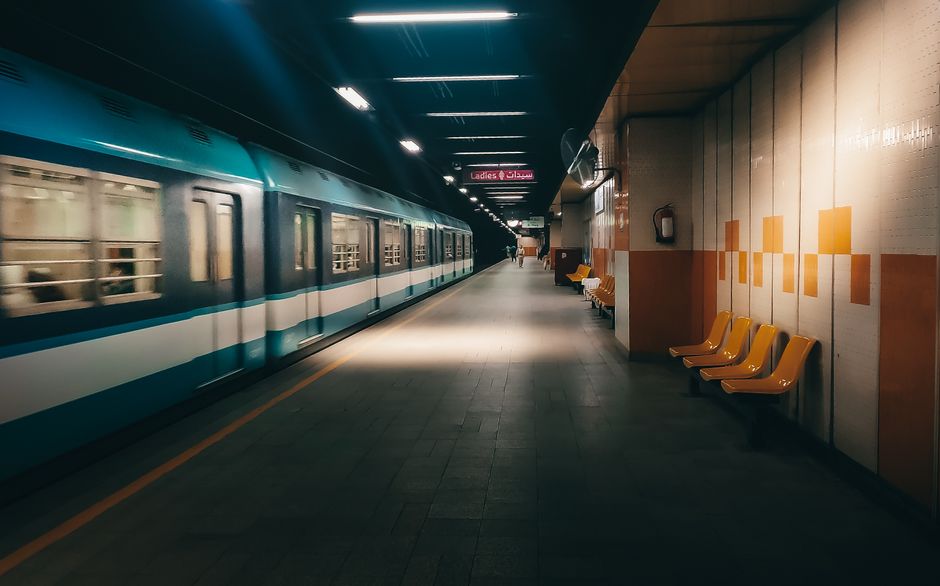
Community groups have begun organising independently. The Nile Guardians initiative, a loose network of concerned residents based in Heliopolis, has documented pollution hotspots and launched social media campaigns demanding accountability from Cairo's governorate. Their calls have resonated, particularly among younger professionals frustrated by stalled metro expansions and inadequate public transport alternatives that might reduce vehicle emissions.
Local environmental organisations note that Cairo's 21 million residents face compounding challenges: traffic congestion that's grown 15 per cent since 2022, industrial emissions from zones in Helwan and Ain Shams, and Egypt's severe water scarcity affecting waste treatment systems.
While the governorate has announced plans for green spaces along the Corniche and electric bus pilot programmes, residents express deep scepticism. "They announce projects that take years to materialise, if at all," a community health worker in Bulaq observed. "Meanwhile, our children breathe poison daily."
For Cairo's affected communities, environmental justice is no longer abstract. It's personal—a daily negotiation with a city's failing infrastructure and a government that struggles to keep pace with its own growth.
This article was compiled by AI and screened before publishing. See our editorial standards.
How does this story make you feel?
Spread the word
About this article
Published by The Daily Cairo
Daily brief
Free, in your inbox before 7am. Weekdays.
More in News