Cairo's approach to housing and urban planning diverges sharply from the skyscraper-dominated models adopted by regional rivals like Dubai and Istanbul, revealing fundamentally different philosophies about how a megacity of nearly 21 million should grow.
While Dubai compressed vertical development into a gleaming downtown core and Istanbul pursued aggressive metropolitan expansion eastward, Cairo has adopted a more fragmented strategy. The government's flagship New Administrative Capital project—a satellite city 45 kilometres east of downtown—mirrors approaches seen in Brasília and Canberra, yet serves a distinctly Egyptian purpose: decentralising congestion from the historic Nile Valley.
The new capital, hosting government ministries and commercial districts, represents an investment exceeding $45 billion. By contrast, traditional Cairo neighbourhoods like Zamalek, Garden City, and Heliopolis continue aging with minimal intervention. Average apartment prices in central Cairo hover around $4,000-$6,000 per square metre, while New Administrative Capital properties command $3,500-$5,500—undercutting central locations despite modern infrastructure.
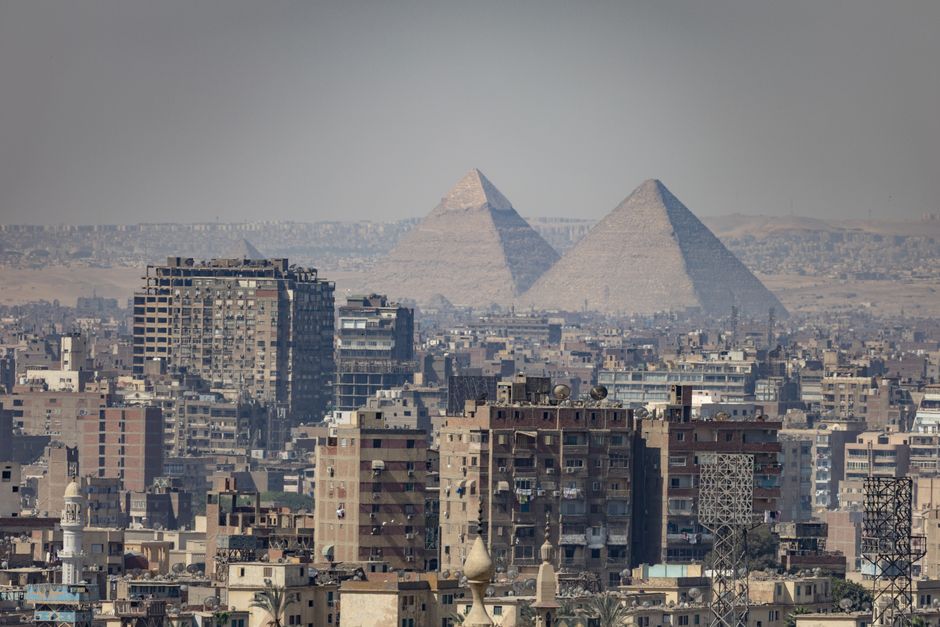
"This reflects Cairo's unique constraint," explains the urban planning sector locally. Unlike Dubai's desert flexibility or Istanbul's bridging continents, Cairo cannot sprawl infinitely. The Nile Delta's agricultural land remains politically sensitive, and dense informal settlements—home to roughly 40% of Cairo's population—resist simple solutions that worked elsewhere.
Recent government initiatives in areas like Imbaba and Zawiya al-Hamra attempt formalising these communities through tenure security and infrastructure upgrades rather than clearances. This contrasts with Istanbul's controversial urban renewal projects, which displaced thousands from central neighbourhoods like Taksim and Gezi Park to make way for gentrification.
Housing affordability remains acute. Young professionals in Cairo's tech hubs around Sheikh Zayed City pay 50-60% of income toward rent—comparable to London and New York, yet wages lag significantly behind. Istanbul faces similar pressures, with median rents consuming 35-40% of middle-class earnings.
Experts suggest Cairo's informal settlement strategy—incremental formalisation rather than demolition—may prove more socially sustainable than Gulf neighbours' wholesale redevelopment models. Yet critics worry the New Administrative Capital diverts resources from rehabilitating central Cairo, where crumbling colonial-era structures in central business districts and decaying Khan el-Khalili adjacent areas cry out for intervention.
As global housing crises intensify, Cairo's policymakers face pressure to accelerate reform while respecting existing communities—a balancing act that remains decidedly unfinished.
This article was compiled by AI and screened before publishing. See our editorial standards.