Cairo stands at an inflection point. With the New Administrative Capital drawing significant infrastructure investment eastward, the Egyptian capital faces a crucial reckoning: how to modernise a transport system serving over 20 million residents across greater Cairo without the budget windfall that has flowed to the satellite city.
Three decisions loom large as municipal authorities and the Ministry of Transport prepare their next phase of planning, according to infrastructure analysts tracking the city's urban development strategy.
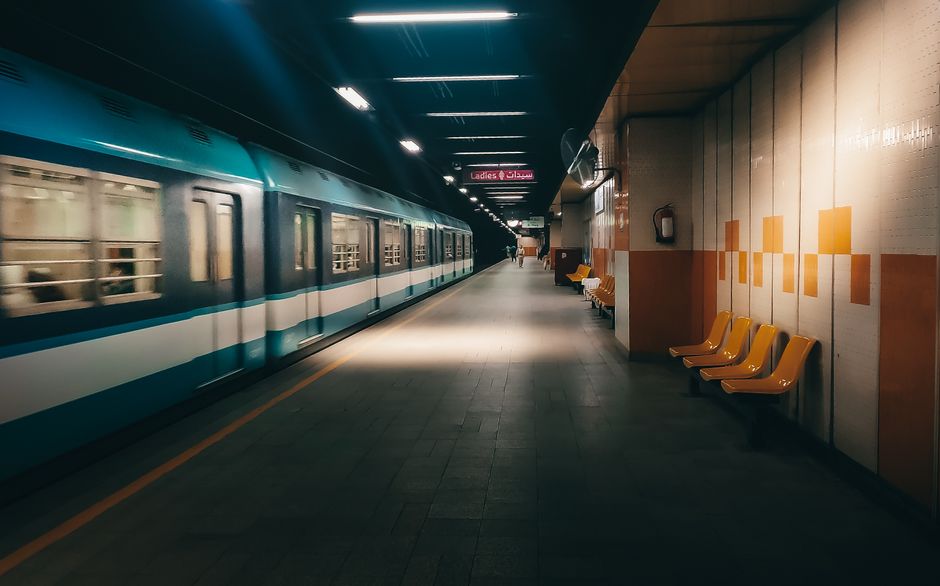
First comes the Cairo Metro expansion question. The existing system—Lines 1, 2, and 3—carries roughly 4.5 million passengers daily, yet coverage remains concentrated along fixed corridors. The proposed Line 4, originally planned to connect Abbassiya with Sheikh Zayed City, has been shelved multiple times. Officials must now decide whether to resurrect this project, extend Line 3 southward toward 6th of October City, or pivot entirely toward bus rapid transit as a cheaper alternative. The cost differential is substantial: a new metro line typically requires $800 million to $1.2 billion, while bus corridors cost 10 percent of that figure.
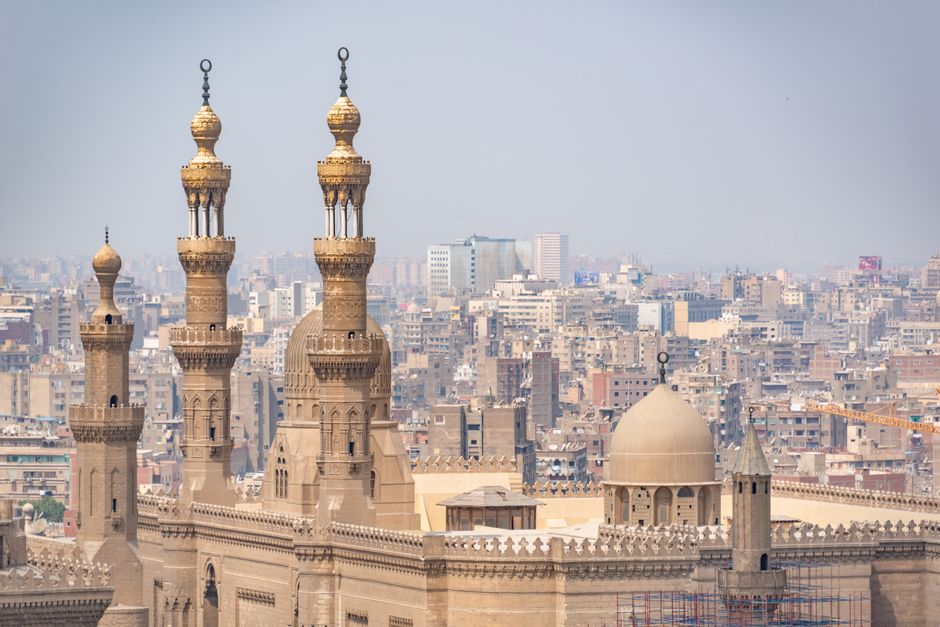
The second decision concerns Ramses Street and the surrounding medieval quarter. Traffic engineers have long acknowledged that the historic thoroughfare—running from Ramses Square past the Egyptian Museum's new Giza location—cannot absorb projected vehicle growth. Widening is nearly impossible; demolition carries cultural costs. The question now: does Cairo pursue underground solutions, pedestrianisation of certain segments, or accept that some neighbourhoods will experience permanent congestion?
Third is the Ring Road's future. Completed sections from Nasr City through 6th of October have reduced some travel times, but the unfinished stretches linking southern districts create bottlenecks. Budget constraints mean completing the full ring may take until 2032. Officials must decide whether to prioritise remaining segments or invest instead in feeder roads connecting neighbourhoods directly to existing sections.
The timeline is compressed. Egypt's Vision 2030 initiative calls for reducing transport-related emissions and congestion significantly, yet real decisions have been deferred for 18 months. Municipal planners in collaboration with international consultants are expected to present final recommendations by September.
What complicates matters further: petrol prices remain subsidised, meaning vehicle ownership continues rising faster than planners anticipated. Meanwhile, informal minibus networks—which carry roughly 40 percent of daily commuters—remain largely unmapped and unregulated.
These are not merely technical puzzles. They reflect competing visions for Cairo's future: a sprawling, car-dependent megacity, or a densified, transit-oriented one. The decisions made in the coming weeks will determine which Cairo emerges.
This article was compiled by AI and screened before publishing. See our editorial standards.