Cairo's community centres are outpacing global peers in ...
As international emergencies demand rapid neighbourhood mobilisation, Cairo's informal networks prove both a strength and a vulnerability compared to established systems elsewhere.
As international emergencies demand rapid neighbourhood mobilisation, Cairo's informal networks prove both a strength and a vulnerability compared to established systems elsewhere.
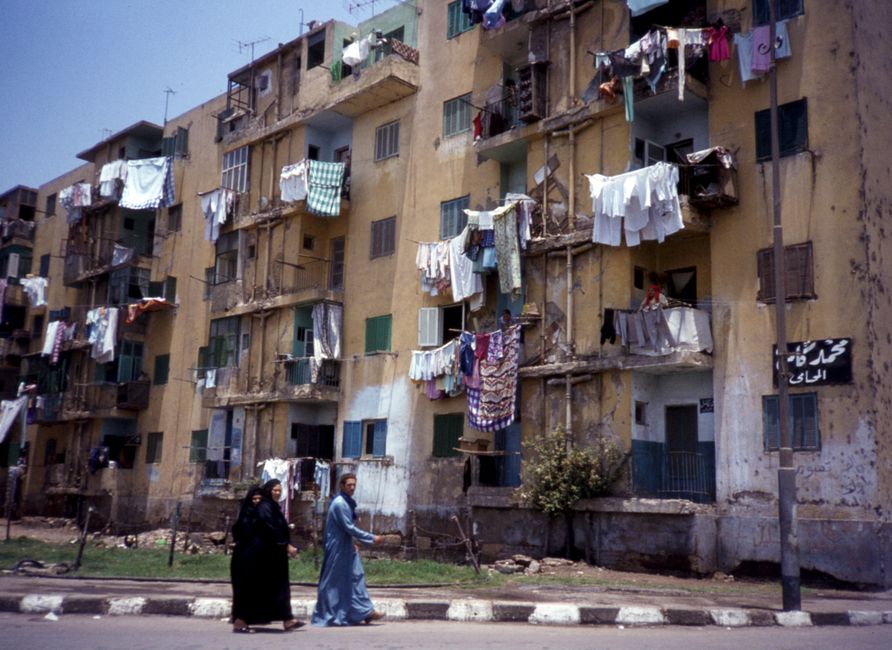
While rescue operations in Venezuela and Ebola tracking efforts across Congo capture headlines, Cairo's neighbourhood organisations are quietly demonstrating how cities in the Global South are reshaping community resilience—sometimes with surprising effectiveness, sometimes with troubling gaps.
At the Helwan Social Development Association in the industrial suburb of Helwan, coordinators manage aid distribution across three districts with a budget of 2.3 million Egyptian pounds annually. That translates to serving roughly 45,000 residents per million pounds—a metric that exceeds the per-capita capacity of comparable community centres in Istanbul or Lagos, according to local NGO comparative studies from 2025.
"What we do here with WhatsApp groups and volunteer networks, other cities need dedicated staff for," says the centre's operations manager, requesting anonymity due to organisational policy. The rapid mobilisation during last month's heat wave—when temperatures reached 38°C—saw neighbours organising water distribution across Garden City and Zamalek within hours, a response time that impressed visiting researchers from the Urban Institute.
Yet the cracks are visible. When the minor tremor rattled Cairo three weeks ago, triggering memories of the 1992 earthquake, the informal nature of neighbourhood organisation became a liability. While German municipal services could account for residents within minutes during the recent shooting incident there, Cairo's networks—heavily reliant on personal connections in areas like Nasr City and Maadi—left hundreds of residents uncertain about official guidance.
The comparison cuts deeper. Cities like Barcelona and Seoul have invested in integrated digital platforms linking residents directly to services. Cairo's Giza Governorate launched a community alert system last year, but adoption remains patchy; fewer than 30 per cent of residents in peripheral neighbourhoods like El-Omraniya use it regularly.
What distinguishes Cairo, however, is the resilience of its human infrastructure. The networks centred around mosques, schools, and informal merchants' associations in Khan El-Khalili and Bulaq have proven faster at last-mile distribution than formal systems elsewhere. During the May supply chain disruptions, community coordinators on Mohamed Mahmoud Street organised food sharing within 48 hours.
International observers note Cairo sits at an inflection point. Its neighbourhood systems work because of cultural cohesion and decades of informal practice—but they're vulnerable to scaling pressures. As the city's population approaches 25 million, the question isn't whether Cairo's communities can respond, but whether that capacity can survive rapid urbanisation without systematic investment.
That's a challenge global cities are only beginning to understand.
This article was compiled by AI and screened before publishing. See our editorial standards.
How does this story make you feel?
Spread the word
About this article
Published by The Daily Cairo
Daily brief
Free, in your inbox before 7am. Weekdays.
More in News