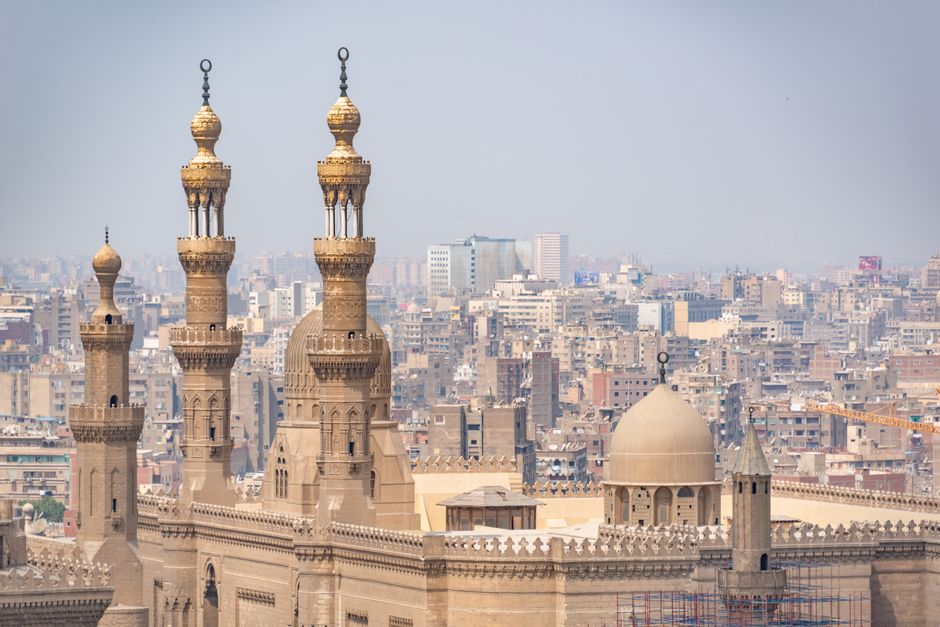
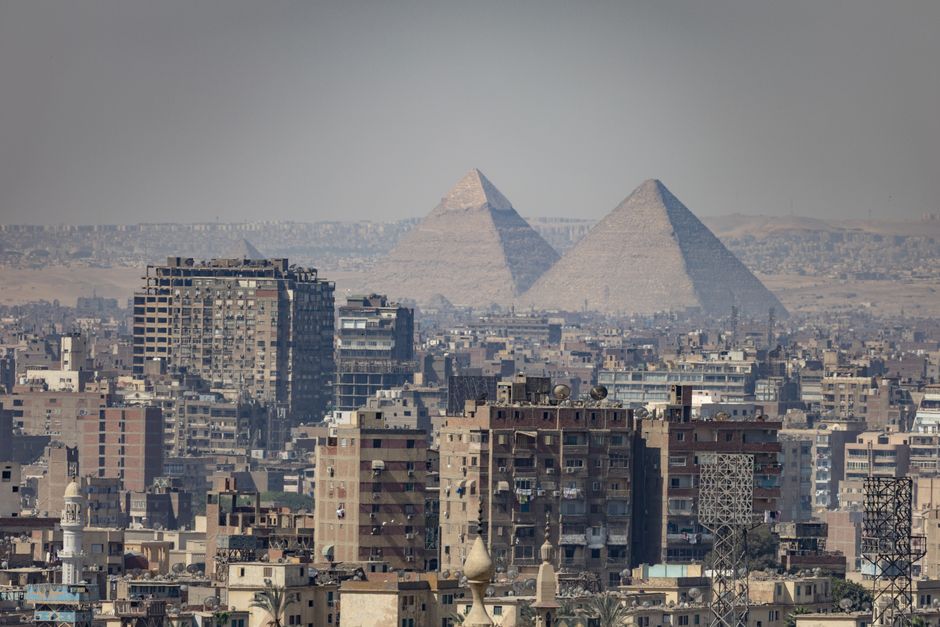
When the Cairo Governorate unveiled its revised housing and urban planning framework last month, officials hailed it as a modernisation blueprint for Africa's largest metropolitan area. But in the tree-lined neighbourhoods of Zamalek and Garden City, where generations of middle-class families have built their lives, the new zoning regulations read less like progress and more like a countdown to displacement.
The revised policy permits developers to construct residential towers up to 18 storeys in previously restricted areas—a dramatic shift from the current eight-storey limit that has defined these communities for decades. While proponents argue this will ease Cairo's chronic housing shortage and generate much-needed tax revenue, residents worry the changes will destroy affordable neighbourhoods and accelerate gentrification across the city's most stable districts.
"My family has rented the same flat in Zamalek for 28 years," says one concerned resident who requested anonymity. "The landlord wants to sell the entire building to developers now. Where am I supposed to go?" Such stories are becoming routine. According to data from the Egyptian Real Estate Federation, average rental prices in central Cairo neighbourhoods have climbed 34 percent in the past three years alone, with Zamalek and Garden City experiencing even sharper increases.
The concern extends beyond housing costs. Local shopkeepers, café owners, and cultural institutions that define these communities fear erasure. The legendary Opera House area, already transformed by recent developments, now faces further pressure as investors target surrounding properties. Small galleries, independent bookshops, and family-run restaurants—the institutions that give Cairo its cultural texture—cannot compete with commercial rents demanded by new developments.
The governorate's rationale isn't without merit. Cairo's population has swelled to over 20 million, and informal settlements ring the city where formal housing remains unaffordable. The housing shortage is real and urgent. Yet critics argue the new zoning laws favour wealthy developers and foreign investors rather than addressing the core problem: creating affordable housing stock for lower and middle-income Egyptians.
Community groups including the Cairo Urban Planning Coalition have called for mandatory affordable housing quotas in new developments—a requirement that remains notably absent from the revised framework. They've also requested enhanced protections for historic neighbourhoods and grace periods for existing tenants, proposals the governorate has yet to address comprehensively.
As public consultation periods close and implementation begins, the stakes could hardly be higher. Cairo's identity and its livability for ordinary residents hang in the balance.
This article was compiled by AI and screened before publishing. See our editorial standards.