Cairo's municipal government moved swiftly this week on several fronts, approving controversial zoning amendments for the Downtown district while greenlighting a pilot programme to address chronic traffic congestion along the Corniche al-Nil. The developments mark a significant shift in the city's approach to urban renewal, with implications that will ripple across neighbourhoods from Zamalek to Heliopolis.
The Planning and Urban Development Committee voted 8-4 on Monday to reclassify three blocks between Talaat Harb Street and Mohamed Mahmoud Street, paving the way for mixed-use development that proponents argue could inject vitality into the aging commercial core. Critics, however, have raised concerns about displacement risks for the roughly 2,400 residents currently occupying informal housing in the targeted zone. The decision now moves to full council review, expected within two weeks.
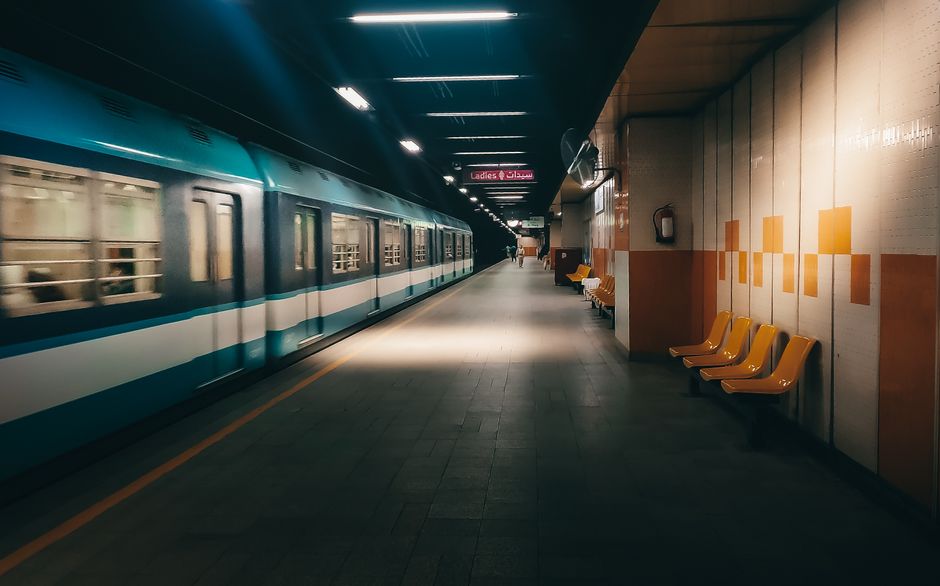
In parallel developments, the Cairo Transportation Authority announced a three-month trial of expanded bus rapid transit corridors linking Tahrir Square to the 6th of October City, responding to mounting complaints about journey times that frequently exceed 90 minutes during peak hours. Officials project the initiative could reduce transit times by up to 40 per cent, though implementation costs—estimated at approximately 180 million Egyptian pounds—remain subject to final budget approval.
The week also saw heated deliberations over water management strategies ahead of the anticipated summer strain on the Nile's diminished flow. The Municipal Water Authority briefed council members on consumption patterns, revealing that daily usage in central Cairo averages 4.2 million cubic metres, up 8 per cent year-on-year. Rationing measures for non-essential municipal services appear increasingly likely.
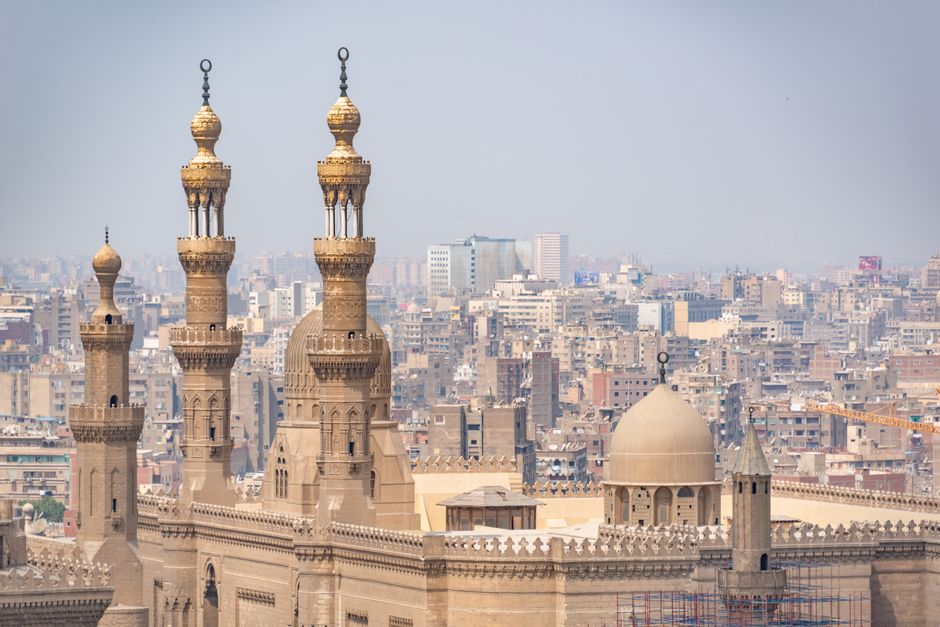
Perhaps most symbolically, the Governorate's Cultural Affairs Division announced restoration plans for the Citadel of Saladin's outer ramparts, committing 45 million pounds to a three-year project aimed at enhancing visitor safety and preserving one of the Middle East's most iconic structures. The initiative reflects broader ambitions to strengthen Cairo's cultural tourism infrastructure as international arrivals steadily recover.
Local business associations in Islamic Cairo expressed cautious optimism about the week's decisions, though small traders worried about enforcement timelines and their ability to adapt to regulatory changes. Housing rights organisations, meanwhile, urged the council to establish relocation assistance programmes before zoning changes take effect.
The full municipal council reconvenes Wednesday to deliberate on these matters, with sessions expected to extend into the evening as temperatures approach 38 degrees Celsius.
This article was compiled by AI and screened before publishing. See our editorial standards.