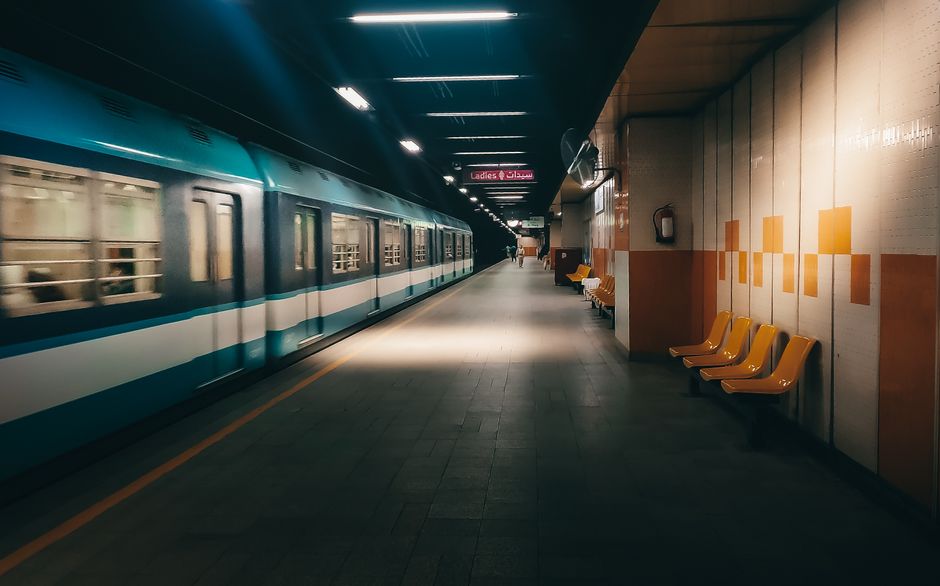
The proposed extension of Cairo's Metro Line 4 through Garden City and into Zamalek represents far more than a transport decision. It embodies ten years of political calculation, bureaucratic delay, and the fundamental tension between modernisation and preservation that has come to define how this city's government operates.
When the Greater Cairo Authority first presented the expansion concept in 2016, it was framed as straightforward: extend rapid transit to relieve congestion on roads already carrying 4.2 million vehicles daily. The initial budget estimate stood at 28 billion Egyptian pounds. The timeline seemed manageable. Support from urban planners and transport advocates appeared solid.
But the project immediately collided with Cairo's stubborn geography and politics. Garden City residents—many in properties dating to the 1920s—mobilised through neighbourhood associations and legal channels. The antiquities authority raised concerns about proximity to heritage sites near the Egyptian Museum. And as construction costs across Egypt ballooned following currency devaluation, the project budget expanded to 47 billion pounds by 2022.
The Cairo Governorate's ability to manage the scheme deteriorated further after administrative restructuring in 2023. Responsibility scattered across multiple agencies: the Transport Authority, Urban Development Ministry, and newly empowered district councils. Implementation timelines slipped repeatedly. Community consultation meetings in Zamalek and Dokki, promised for late 2024, never materialised.
By 2025, a more fundamental challenge emerged. The authority's own feasibility study revealed that 347 households faced potential displacement. Compensation mechanisms outlined in initial planning documents—promising alternative housing in New Cairo—proved inadequate as property values shifted. Families on Sharia el-Gezira in Zamalek, many with generational ties to their homes, began documenting their properties and preparing legal challenges.
Simultaneously, the governorate faced competing demands. Traffic congestion costs Cairo an estimated 3.7 billion pounds annually in lost productivity, according to transport economists. Yet schools in Helwan and Ain Shams continued operating without adequate funding. The Metro extension's opportunity cost became politically visible.
Today's impasse reflects this accumulated weight. The project remains formally approved but practically stalled. A new technical review initiated this spring has extended the decision timeline into 2027. The governorate has commissioned consultants to explore alternatives—elevated rail, dedicated bus corridors—that might reduce displacement while achieving transport goals.
What began as infrastructure ambition has become a referendum on how Cairo's government balances growth with community stability. The answer will say much about what kind of city we're becoming.
This article was compiled by AI and screened before publishing. See our editorial standards.