Cairo's housing shortage has reached a critical inflection point, according to recently released data from the Cairo Governorate's Urban Development Authority. The numbers tell a stark story: the city requires approximately 650,000 new housing units over the next five years to meet demand, yet current construction rates are producing only 85,000 units annually—a shortfall of 565,000 homes.
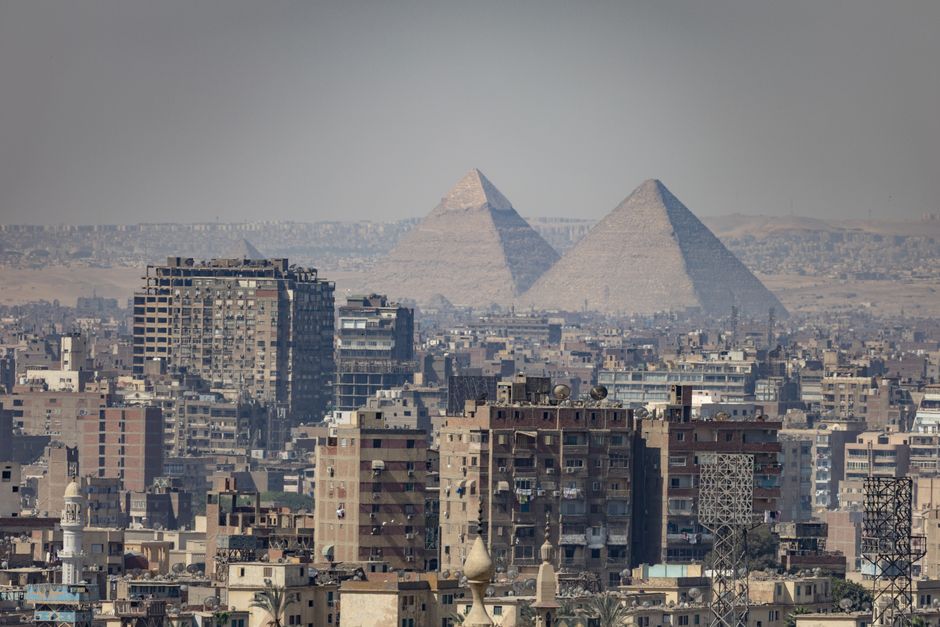
The metropolitan area, home to over 20 million residents across districts from Heliopolis to Giza, is experiencing unprecedented pressure. Property prices in central Cairo neighbourhoods have surged dramatically. In Garden City, average square-metre costs reached 320,000 Egyptian pounds in 2026, compared to 185,000 in 2023—a 73 percent increase in just three years. Similar trajectories appear across New Cairo and Maadi, where middle-income families are increasingly priced out of the market.
The governorate's own housing census revealed that 34 percent of Cairo's population lives in informal settlements, where an estimated 3.2 million people occupy structures lacking proper municipal permits or building codes. Districts like Manshiyat Naser and areas surrounding the Cairo Citadel harbour densities exceeding 45,000 people per square kilometre—more than triple the city's average.
Government-led initiatives have shown mixed results. The New Administrative Capital project has absorbed 180 billion Egyptian pounds in investment since 2015, drawing an estimated 180,000 residents by mid-2026. However, critics note this represents only a fraction of the metropolitan migration pressure, with data suggesting 2.3 million Cairenes have sought housing elsewhere in the past four years.
The Ministry of Housing's latest strategic plan allocates 420 billion pounds toward urban renewal across fifteen priority zones, including regeneration efforts in Bulaq and parts of Islamic Cairo. Yet implementation data shows only 42 percent of planned projects have commenced, with 28 percent experiencing delays exceeding twelve months.
Rental market conditions underscore the broader strain. Average monthly rents in accessible middle-class neighbourhoods like Zamalek have climbed to 8,500 pounds for a one-bedroom apartment, consuming roughly 38 percent of median household income—well above international affordability thresholds suggesting 30 percent as sustainable.
Urban planners at the Ain Shams University Centre for Urban Studies warn that without accelerated construction rates and targeted affordable housing mandates, Cairo faces widening inequality. The data suggests Cairo's housing future depends critically on bridging the gap between current supply and documented demand—a mathematical reality that policy decisions in coming months will prove decisive.
This article was compiled by AI and screened before publishing. See our editorial standards.