Cairo's transport infrastructure saga reads like a study in urban ambition colliding with practical constraints. The city's fourth metro line, snaking through neighbourhoods from El Shorouk to Helwan, represents the kind of long-term commitment to underground rail that mirrors projects in Istanbul and São Paulo. Yet the execution tells a different story about how megacities manage growth differently.
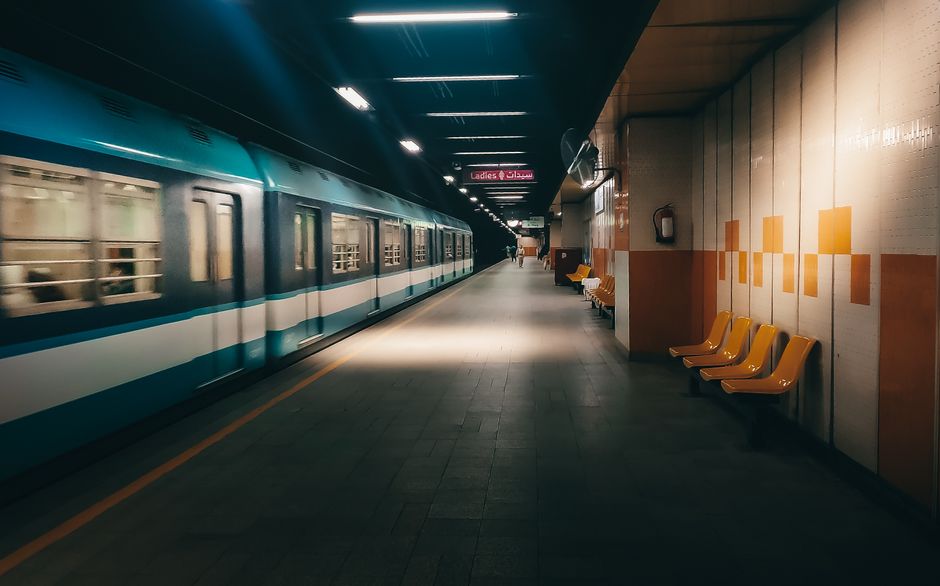
The Cairo Metro, now carrying an estimated 3.2 million passengers daily across three operational lines, represents Africa's busiest rapid transit system. Compare this to Lagos's BRT system, which handles roughly 500,000 daily commuters across a far more congested metropolitan area, and the scale of Cairo's achievement becomes apparent. However, where Lagos has expanded its bus rapid transit aggressively in recent years, Cairo's fourth line—delayed repeatedly since planning began in 2012—illustrates how political priorities and funding patterns shape infrastructure differently across the Global South.
The Road Transport Company's new bus rapid transit corridor along the 26th of July Street in Zamalek signals Cairo's attempt to replicate the modal success seen in Bogotá and Istanbul. Yet implementation in Cairo confronts obstacles those cities navigated differently. Land acquisition along densely populated corridors like those connecting Downtown to New Cairo's satellite cities requires negotiation across informal settlements and competing interests that shaped similar projects uniquely in each context.
Pricing reveals strategic divergence. A Cairo Metro ticket costs 2.5 Egyptian pounds for most journeys—roughly equivalent to $0.08 USD—making it among the world's cheapest rapid transit. Istanbul's metro operates at similar affordability, while comprehensive BRT systems in São Paulo charge higher fares reflecting different subsidy models. Cairo's pricing reflects both accessibility priorities and budget constraints that shape whom these systems actually serve.
The New Administrative Capital railway project, connecting Cairo's eastern suburbs to the new governmental hub 45 kilometres away, represents Cairo's boldest infrastructure bet since the Suez Canal. When completed, it will functionally reshape commuting patterns across greater Cairo. Similar greenfield rail projects in the Middle East—Riyadh's under-construction metro, Doha's completed network—offer comparative lessons about building transit for aspirational rather than immediate demand.
Where Cairo diverges most sharply from peers is integration. Istanbul's seamless ticketing between metro, tram, and bus systems contrasts with Cairo's fragmented approach, where different operators maintain separate payment systems. Yet Cairo's informal transport ecosystem—microbuses, informal minivans, and walking—absorbs demand that formal systems in wealthier cities have eliminated. That reality shapes how infrastructure projects are conceived, funded, and measured for success differently here than in comparable global contexts.
This article was compiled by AI and screened before publishing. See our editorial standards.