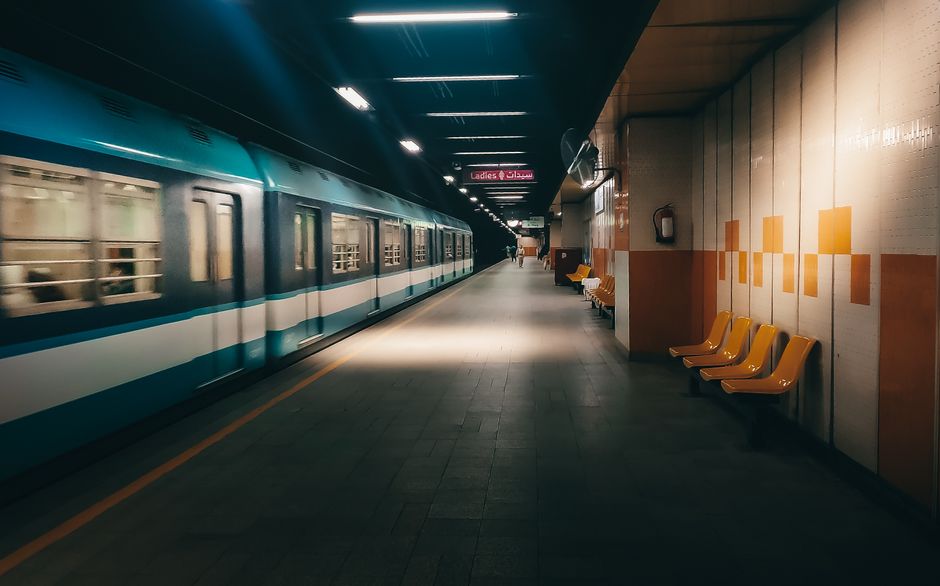
Cairo's Metropolitan Authority announced this week an expansion of the Metro Line 4 project to Nasr City and New Cairo, positioning Egypt's capital ahead of comparable megacities in addressing the mobility crisis that plagues urban centers from Lagos to Jakarta. The EGP 45 billion initiative represents a strategic shift in how developing-world capitals approach infrastructure, contrasting sharply with the slower, more fragmented approaches seen in cities like Istanbul and Mexico City.
The expansion, which breaks ground in Q4 2026, will connect the downtown Abdeen district through Heliopolis to the new administrative capital satellite areas—a 32-kilometre corridor expected to reduce commute times by 40 percent for residents in these sprawling neighbourhoods. "What distinguishes Cairo's approach," notes the General Authority for Roads, Bridges and Land Transport, "is the integration of bus rapid transit corridors alongside metro construction, rather than treating them as separate challenges."
This integrated model contrasts with stalled initiatives in comparable cities. Istanbul's third metro line remains incomplete after seven years of delays, while São Paulo's metro expansion has faced consistent budget shortfalls. Cairo's ability to secure funding through partnerships with China and the Arab Development Fund reflects a pragmatic approach that wealthier cities have struggled to replicate.
The real test, however, lies in execution. Cairenes accustomed to the daily chaos of Tahrir Square traffic and the cramped conditions of existing metro cars during rush hours have legitimate reasons for skepticism. The current average commute from Zamalek to New Administrative Capital takes 90 minutes; planners estimate the new line will cut this to 35 minutes by 2029.
Operationally, Cairo is adopting smart-ticketing systems already deployed in Singapore and Copenhagen, leapfrogging technologies that took Western cities decades to implement. The authority is piloting app-based payment systems in partnership with local fintech firms, targeting 80 percent digital adoption within two years.
Where Cairo's governance still lags comparable cities is in transparency and community consultation. Public hearings on the Line 4 expansion have been limited, unlike the extensive stakeholder engagement mandated in European capitals. This remains a vulnerability as projects face inevitable community resistance in densely populated neighbourhoods like Nasr City and Heliopolis.
Nevertheless, the scale and speed of Cairo's metropolitan transformation suggests the capital is positioning itself as a model for how middle-income cities can modernize without waiting for perfect conditions or unlimited budgets. Whether execution matches ambition will determine if other megacities follow Cairo's template or continue muddling through.
This article was compiled by AI and screened before publishing. See our editorial standards.