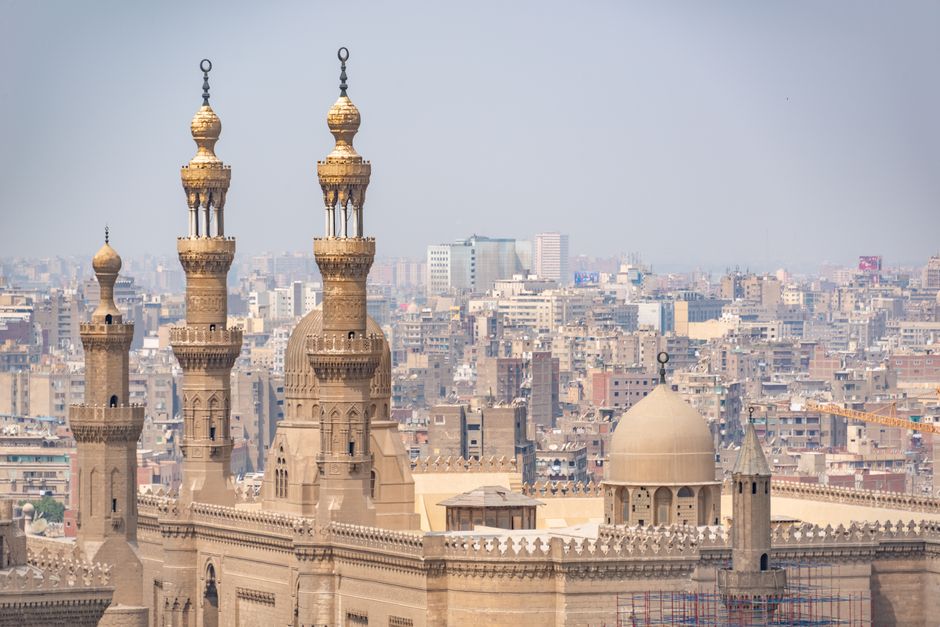
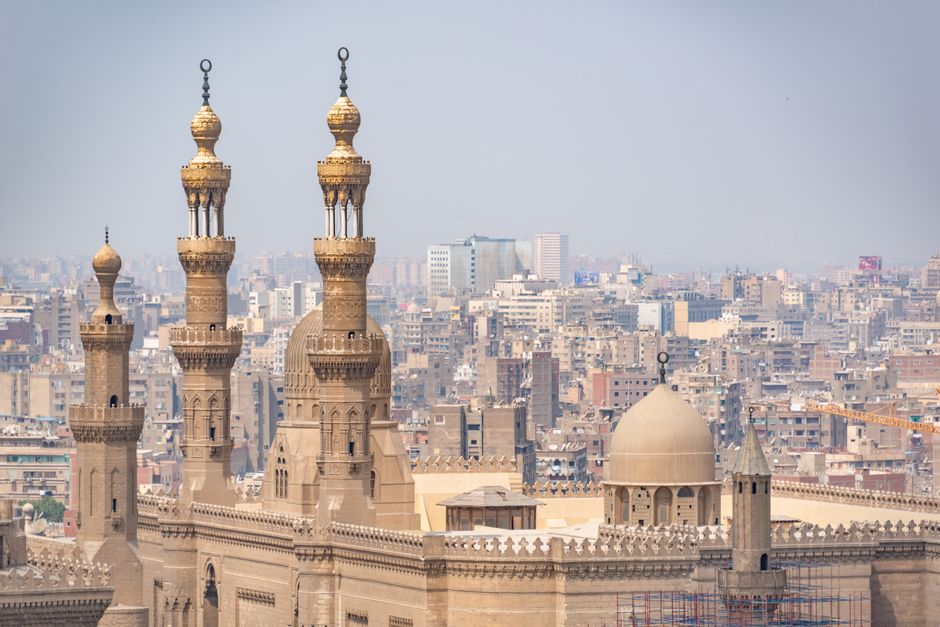
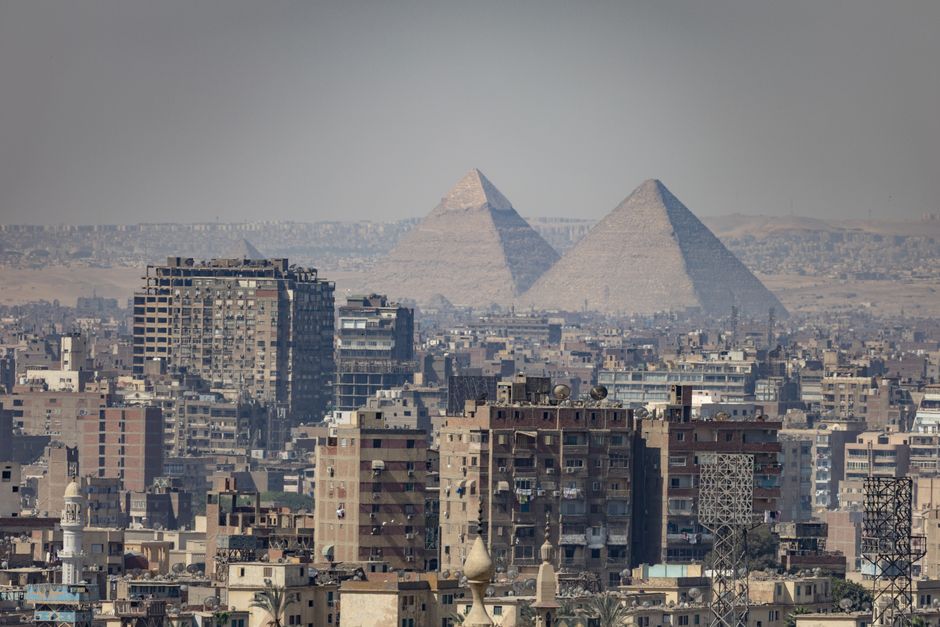
Cairo's role as a global migration hub did not emerge overnight. Rather, it evolved through successive waves of displacement—from Iraq's post-2003 instability to Syria's civil war, from South Sudan's ongoing conflict to Ethiopia's periodic crises. Today, the city hosts an estimated 2.7 million migrants and asylum seekers, according to UN estimates, a demographic shift that has fundamentally altered the character of entire neighbourhoods and sparked both opportunity and tension.
The mechanics of this transformation trace back to Egypt's geographic position and historical precedent. Sitting at the crossroads of Africa, the Middle East, and the Mediterranean, Cairo has long served as a waystation for those fleeing conflict. Yet the scale intensified dramatically after 2011. Syria's conflict alone sent over 5 million people fleeing the country; roughly 20 percent eventually found their way to Egypt, with many settling in Cairo's working-class districts.
Areas like Nasr City, Shubra, and Garden City witnessed rapid demographic changes. In some pockets of Shubra, Arabic speakers now share streets with Amharic, Tigrinya, and Somali—a linguistic patchwork that reflects the city's new reality. Informal housing costs have surged; a modest two-bedroom flat in Helwan that rented for 1,500 Egyptian pounds a decade ago now commands 4,000 to 5,000 pounds monthly, pricing out both locals and newcomers alike.
The United Nations High Commissioner for Refugees operates multiple offices across Cairo, with the largest hub in Mohandessin processing roughly 300 asylum claims weekly. Yet formal pathways remain constrained. Egypt is not a signatory to the 1951 Refugee Convention, leaving many migrants in legal limbo for years. This bureaucratic reality has spawned a parallel economy: smugglers, informal job markets, and underground accommodation networks that operate beyond government oversight.
Local civil society organisations such as the Egyptian Initiative for Personal Rights and the Refugee Education Trust have documented both humanitarian progress and systemic challenges. Access to healthcare remains uneven; many migrants resort to private clinics in Zamalek or Dokki, where consultations cost 300–500 pounds—beyond reach for labourers earning 30–50 pounds daily.
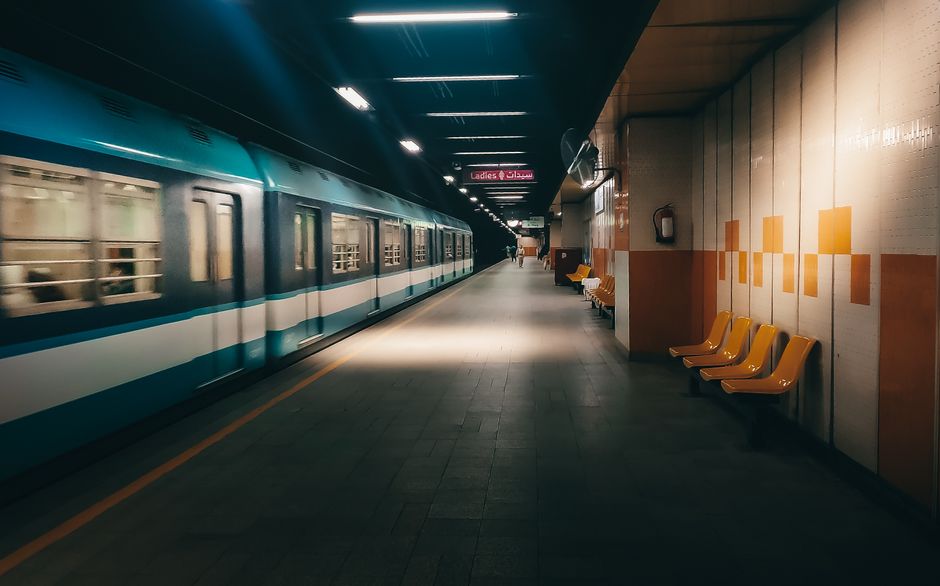
Sociologists argue that understanding Cairo's migration story requires recognising this historical context. The city did not simply attract migrants; regional instability methodically pushed them here. Today's packed microbus routes, crowded souks, and multilingual street signs represent not disorder but adaptation—a sprawling metropolis absorbing shocks that its institutions were never designed to withstand. How the city manages this pressure in coming years will define not just Cairo's future, but Egypt's.
This article was compiled by AI and screened before publishing. See our editorial standards.