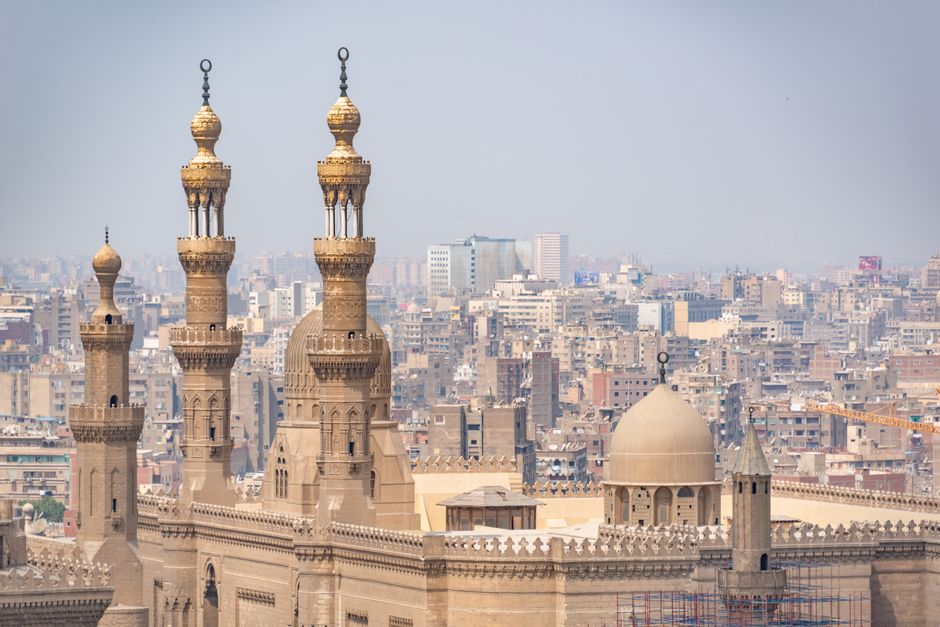
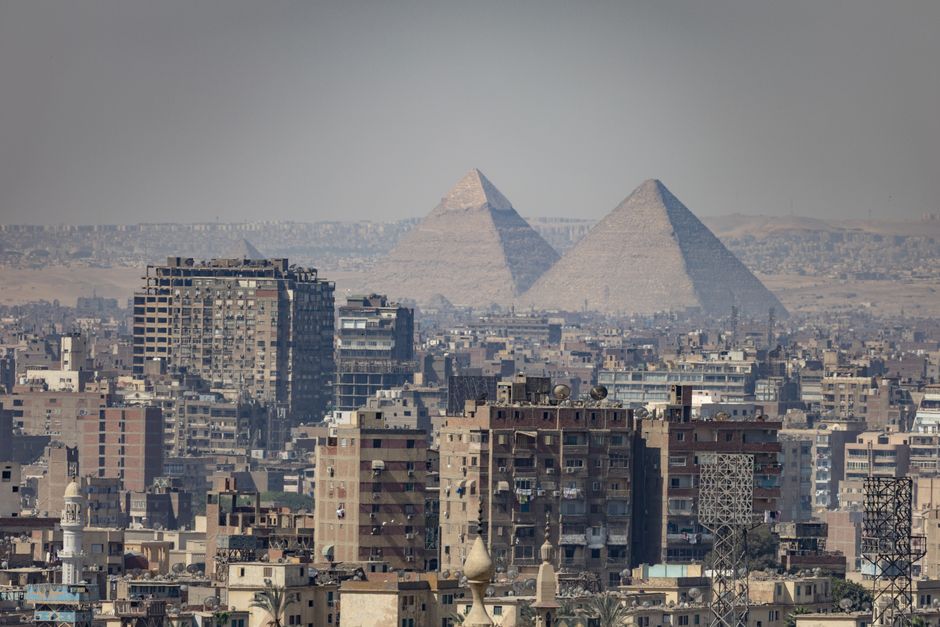
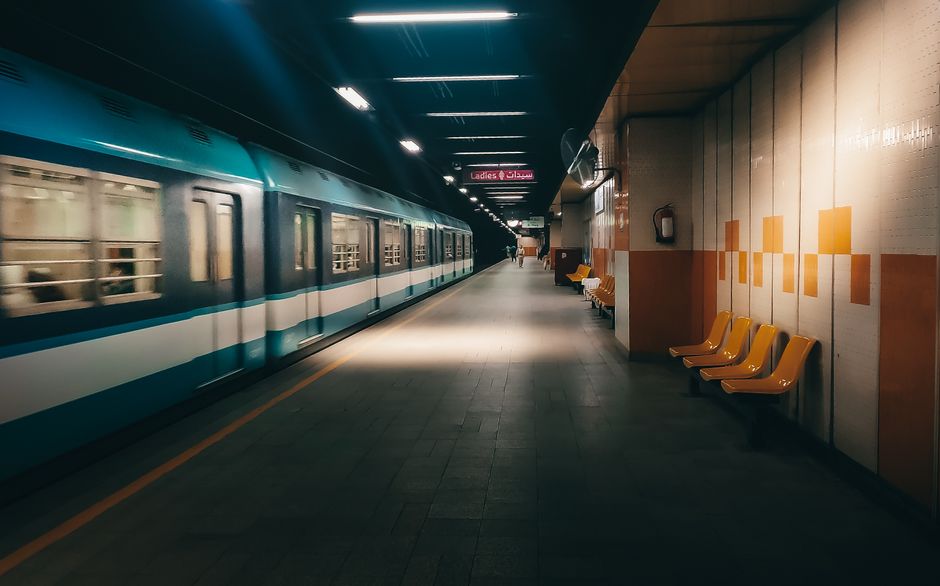
For Fatima Hassan, a nurse at Ain Shams University Hospital, the daily commute from her flat in Nasr City to her workplace in Abbasiya has become a soul-destroying ritual. What should be a 15-minute journey often stretches to 90 minutes during peak hours, consuming fuel, time, and patience—three luxuries in short supply for Cairo's working families.
This frustration is about to change, at least in theory. Construction crews have ramped up work on the controversial eastern ring road extension, a 47-kilometre transport corridor intended to link New Cairo, the Sixth of October City periphery, and the newer satellite communities to central Cairo's employment hubs. When completed in early 2027, planners insist the project will shave 30–40 minutes off average commutes for over two million daily travellers.
The stakes are enormous. According to a 2025 Cairo Transport Authority survey, commute times have become the leading quality-of-life complaint among residents earning between 3,000 and 8,000 Egyptian pounds monthly—the backbone of Cairo's middle class. Reduced travel time translates directly into recovered hours for family, rest, and moonlighting income that many depend upon.
But the infrastructure dream comes with real costs. Residents of Helwan and Ma'adi report noise disruptions from pile-driving equipment running until midnight, while businesses along 26th of July Street in Zamalek—a key access artery—have seen foot traffic drop by an estimated 15 per cent due to lane closures and congestion. Small shopkeepers worry openly about survival rates once construction concludes.
Real estate developers have already capitalised on the announcement. Apartment prices in New Cairo's eastern districts have climbed 18 per cent since the project's acceleration last year, pricing out many young professionals and families who might have benefited most from the infrastructure investment.
The Ministry of Transport has promised that the extension will reduce vehicle emissions by 12 per cent in affected areas and free up existing routes like the Corniche Nile and Abbas El-Akkad Street for local traffic. Public bus routes are being redesigned to feed into the new corridor, potentially creating a genuine alternative to private cars for middle-income commuters.
Yet scepticism runs deep in a city scarred by abandoned and delayed megaprojects. Residents have heard promises before. What matters now is execution—and whether, when the dust settles in 2027, Cairo's struggling workforce genuinely reclaims the hours stolen by sprawl.
This article was compiled by AI and screened before publishing. See our editorial standards.