Cairo's Infrastructure Crisis Demands Urgent Action, Officials Warn as Summer Heat Tests City's Systems
Transport planners, engineers and municipal leaders outline competing visions for tackling congestion and service failures ahead of peak season.
Transport planners, engineers and municipal leaders outline competing visions for tackling congestion and service failures ahead of peak season.
Cairo's leadership is facing mounting pressure to address infrastructure bottlenecks that have left commuters stranded and business owners frustrated, with senior officials and urban planners warning that without immediate intervention, the city risks compounding its summer transport and utility challenges.
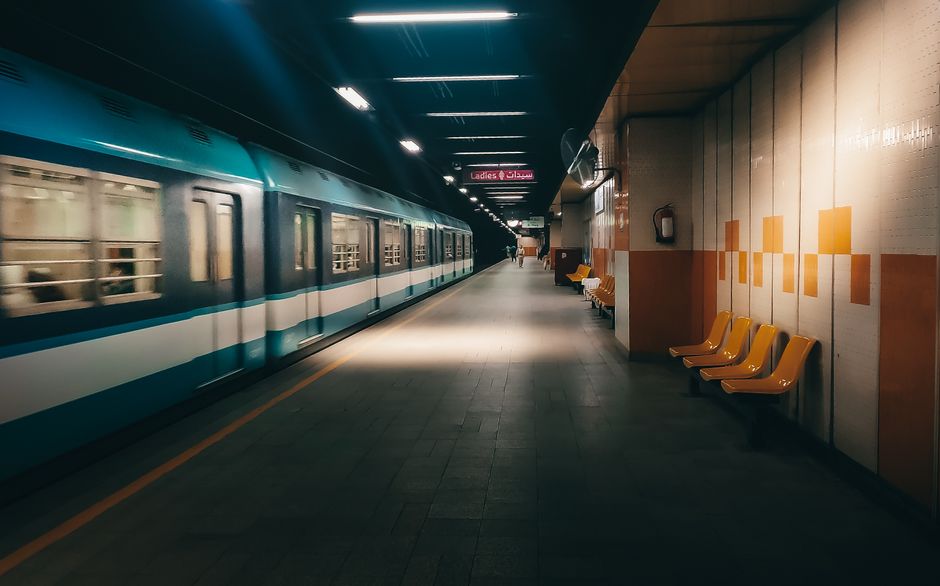
At a roundtable discussion hosted by the Cairo Chamber of Commerce this week, representatives from the Ministry of Transport, the Metro Authority, and the Cairo Governorate outlined competing approaches to easing gridlock on Ring Road and the 6th of October Bridge—two arterial routes where average commute times have ballooned to over ninety minutes during peak hours. Transport ministry officials highlighted plans for expanded bus rapid transit corridors extending from Helwan to New Cairo, citing successful pilots in District 5. However, economists from the American University in Cairo's Public Policy Institute cautioned that such schemes require sustained funding and warned that previous initiatives had stalled due to budget constraints.
Water scarcity continues to dominate municipal conversations. Officials from the Cairo Water Authority acknowledged that consumption in affluent neighbourhoods like Zamalek and Heliopolis has outpaced supply, particularly as temperatures climb above 40 degrees Celsius. One senior engineer, speaking on condition of anonymity, flagged aging pipe infrastructure in Downtown Cairo and Islamic Cairo as responsible for estimated daily losses of 180 million litres—roughly twelve percent of the system's output. Investment in leak detection and pipe replacement remains underfunded, experts say.
Waste management proved another flashpoint. The Garbage City Cooperative and environmental NGOs have pushed back against governorate plans to relocate informal waste sorting operations from traditional sites around Mokattam, arguing that alternative employment schemes promised by officials remain vague. A spokesperson for the Cairo Cleanliness Initiative outlined new sorting facilities planned for the periphery, though residents and workers expressed scepticism about implementation timelines.
Real estate developers and construction industry representatives raised fresh concerns about building permit delays and zoning inconsistencies—problems they say are stifling investment in regeneration projects across Maadi and New Cairo. Municipal officials defended the pace of approvals as necessary for safety compliance, particularly following earlier construction incidents.
Consensus emerged on one point: Cairo's rapid growth—the metropolitan area now exceeds twenty million residents—has outstripped planning capacity. Whether city leadership can mobilize resources and political will to execute promised improvements before autumn remains the critical question facing a capital struggling to balance expansion with livability.
This article was compiled by AI and screened before publishing. See our editorial standards.
How does this story make you feel?
Spread the word
About this article
Published by The Daily Cairo
Daily brief
Free, in your inbox before 7am. Weekdays.
More in News