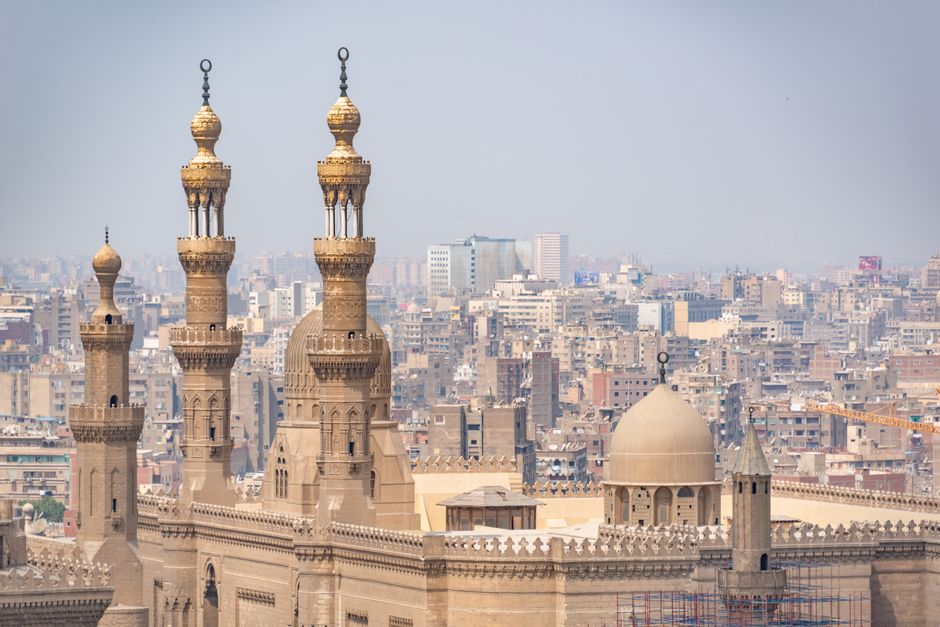
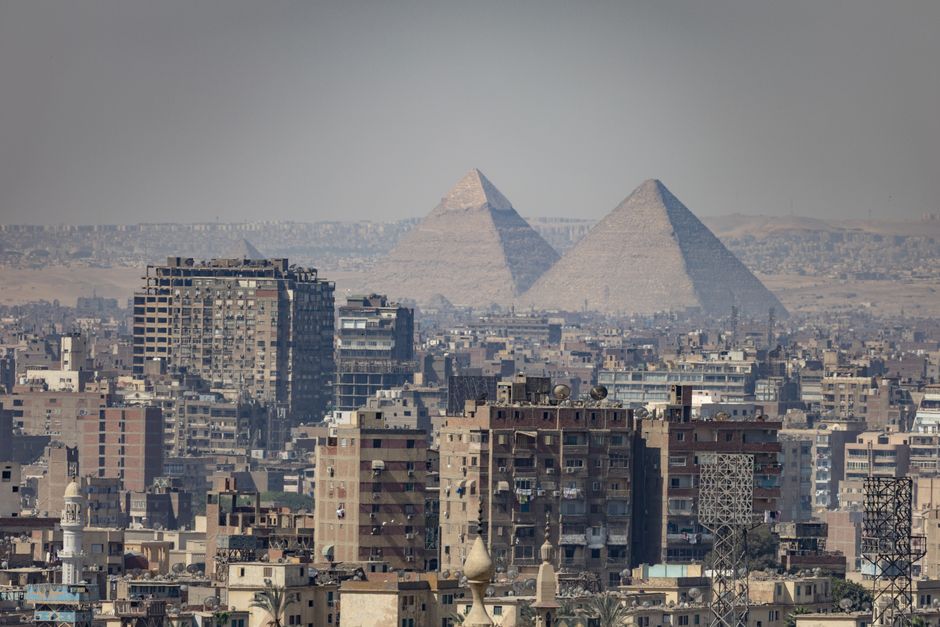
Walk along the Corniche al-Nil on any morning in June, and the haze hanging over the water tells a familiar story—one that has defined Cairo's relationship with its environment for nearly half a century. The city of 20 million people, sprawling across both banks of the Nile and into the desert beyond, has long treated sustainability as a luxury concern rather than an urgent necessity.
The roots of Cairo's environmental crisis run deep. From the 1970s onward, rapid industrialisation transformed manufacturing districts like Helwan and Shubra into pollution hotspots. Factory emissions, coupled with the surge in private vehicle ownership—Cairo now hosts over three million cars—created an annual smog crisis that peaks between November and March. Air quality indices regularly exceed 300, classified as hazardous by international standards. Residents in middle-class areas like Maadi and Garden City, let alone poorer neighbourhoods where factories cluster, have long suffered respiratory illnesses as an ordinary fact of urban life.
Water scarcity has compounded matters. As Egypt's population swelled and agricultural demands on the Nile intensified, Cairo's groundwater reserves depleted while surface water quality deteriorated. The river itself, once a lifeline, now carries industrial waste, untreated sewage, and agricultural runoff. Informal waste disposal has filled landfills around the city—particularly in eastern zones near the Mokattam hills—where the famous zabaleen recycling community has historically salvaged what it could from mountains of refuse.
For decades, these issues remained largely invisible to Cairo's wealthier residents and decision-makers. Development priorities favoured expansion over remediation. The New Administrative Capital project, launched in 2015, siphoned resources and attention away from existing urban infrastructure. Green spaces like Al-Azhar Park, renovated with international funding in the early 2000s, remained exceptions rather than blueprints for broader change.
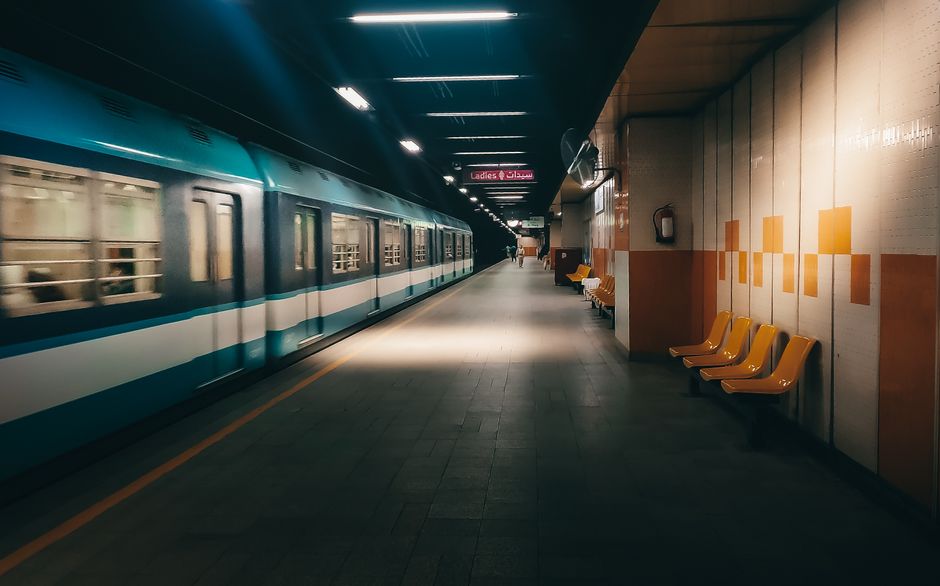
Yet the last five years have brought a subtle shift. Water rationing, increasing droughts, and visible public health impacts have forced acknowledgment. The government introduced vehicle emission standards and expanded Cairo's limited metro system—now reaching to Helwan—to reduce car dependency. Civil society organisations have launched neighbourhood recycling initiatives and tree-planting campaigns across areas like Zamalek and Dokki.
Today's sustainability initiatives don't emerge from pristine planning. They emerge from crisis management, from a city finally reckoning with the environmental debts accumulated during generations of unchecked growth. Understanding that history—the choices made and unmade—is essential to grasping why Cairo's green transition, though necessary, remains fragile and incomplete.
This article was compiled by AI and screened before publishing. See our editorial standards.