A stabbing incident in Zamalek last week took 38 minutes for an ambulance to arrive. A house fire in Helwan in early June spread unchecked for nearly an hour before firefighters responded. These aren't isolated incidents—they're part of a mounting crisis in Cairo's emergency response system that residents and safety advocates say threatens public welfare across the metropolitan area.
The Egyptian Emergency Services Authority operates from a network of 47 stations across Cairo's sprawling 600-square-kilometre expanse, serving a population exceeding 20 million. That ratio has created critical blind spots, particularly in neighbourhoods like 6th of October City, Nasr City's eastern reaches, and older districts around Islamic Cairo where narrow alleyways compound delays.
"Response times have deteriorated visibly over the past 18 months," says a spokesperson for the Cairo Community Safety Initiative, a residents' advocacy group. "We've documented average response times of 42 minutes for ambulances in outer zones. International standards target under 10 minutes."
The strain reflects inadequate funding allocation. Emergency services received approximately 2.1 billion Egyptian pounds in the 2025-26 budget cycle—roughly 0.3% of the national budget. That translates to operational costs of approximately 89 pounds per resident annually, analysts calculate, leaving little room for modernisation or staffing expansion.
The impact reverberates through daily life. Small business owners in Downtown Cairo report longer insurance premiums due to perceived fire risk. Parents in Maadi express anxiety about delays in paediatric emergencies. Traffic accidents on the Ring Road frequently tie up response units for extended periods, creating cascading delays across the network.
Some neighbourhoods have begun organising independently. Residents in New Cairo have crowdfunded neighbourhood safety committees equipped with basic first aid training and defibrillators positioned at strategic locations. Similar citizen initiatives have emerged in Sheikh Zayed City and Heliopolis, reflecting widespread loss of confidence in official capacity.
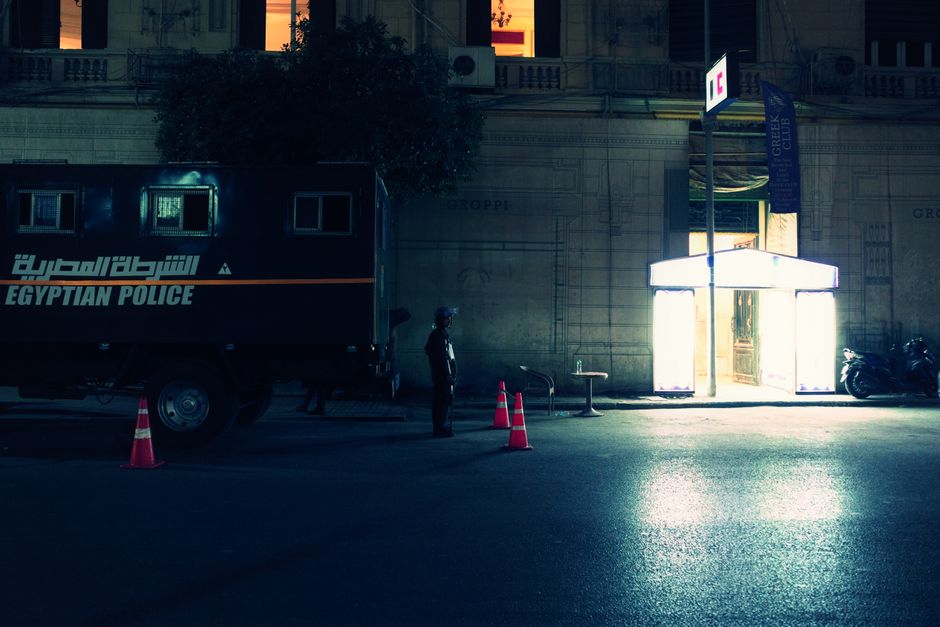
The crisis extends beyond ambulances. Police response times in reported theft or assault cases frequently exceed 90 minutes in peripheral areas. The Egyptian Police Service's 122 hotline, while operational, handles over 8,000 calls daily across the governorate, creating bottlenecks in call prioritisation.
Structural reforms are overdue, residents argue. Calls for decentralised micro-stations in high-density neighbourhoods, investment in communication technology, and recruitment drives for trained personnel have gained traction among civil society groups. Until meaningful investment occurs, community leaders warn, Cairo's most vulnerable residents will continue bearing the cost of systemic neglect.
This article was compiled by AI and screened before publishing. See our editorial standards.