Cairo's Transport Revolution by the Numbers: What 47 Million Daily Commuters Tell Us
As the New Administrative Capital's monorail nears completion and metro expansion accelerates, hard data reveals the scale of Cairo's infrastructure challenge.
As the New Administrative Capital's monorail nears completion and metro expansion accelerates, hard data reveals the scale of Cairo's infrastructure challenge.
The numbers paint a stark picture of Cairo's transport crisis and the ambitious remedies underway. With approximately 47 million daily commuter journeys across the metropolitan area and only 76 kilometres of metro operational as of mid-2026, the Egyptian capital faces a deficit that infrastructure projects are scrambling to address.
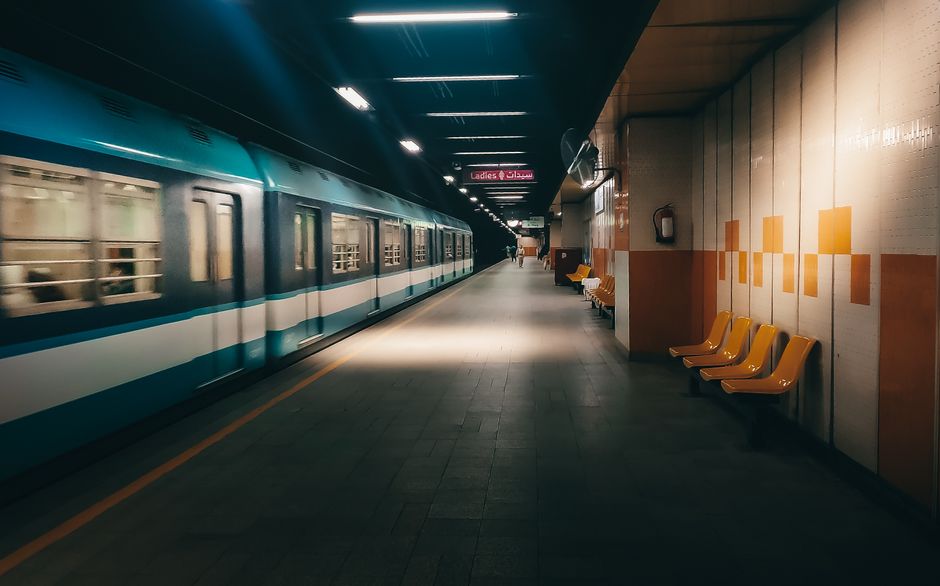
The Cairo Metro Line 3, extending from Helwan to Shubra El-Kheima, has seen incremental progress. Current operational segments serve roughly 3.7 million passengers weekly, yet the network remains fragmented. The planned completion of the remaining 15.3 kilometres of Line 4—connecting New Cairo to the Eastern Settlements—represents a 280 billion Egyptian pound investment that planners insist will relieve pressure on the central Nile corridors where traffic congestion costs the economy an estimated 2.4 percent of annual GDP.
More immediately visible is the New Administrative Capital's monorail project, spanning 41 kilometres between the new city centre and the existing suburbs. Phase One, operational since 2025, carries approximately 185,000 daily passengers—a figure transport authorities acknowledge falls below the 300,000 projected target, raising questions about demand forecasting in newer settlements still absorbing residents from overcrowded areas like Helwan, Giza, and Shubra.
The Bus Rapid Transit (BRT) system, meanwhile, operates 280 dedicated bus lanes across greater Cairo, moving roughly 1.8 million passengers daily. Yet data from the Greater Cairo Authority reveals that informal transport—minibuses and taxis—still account for nearly 58 percent of all journeys, suggesting that formal infrastructure projects, however substantial, compete against deeply entrenched mobility habits.
Cost pressures loom large. A single metro ticket remains capped at 3 Egyptian pounds—unchanged since 2021—while operational costs have risen 34 percent. Officials signal fare increases may be inevitable, though political sensitivity around public transport pricing has historically triggered resistance.
Looking ahead, the planned Metro Line 5, linking Ain Shams to El-Minya, represents phase two of expansion: 80 kilometres and 40 billion pounds. If timelines hold, it will add roughly 2.1 million weekly journeys by 2029. Whether these figures materialize depends not just on engineering prowess but on whether Cairo's sprawling informal settlements—home to 12.7 million residents according to 2023 census data—can be convincingly integrated into a formal transit ecosystem designed largely for the planned, mapped city.
The data suggests Cairo's infrastructure challenge is as much about changing behaviour and aligning investment with actual settlement patterns as it is about constructing new lines.
This article was compiled by AI and screened before publishing. See our editorial standards.
How does this story make you feel?
Spread the word
About this article
Published by The Daily Cairo
Daily brief
Free, in your inbox before 7am. Weekdays.
More in News