Cairo's Housing Crisis: The Decades of Decisions That Led Us Here
From Nasser's ambitious apartment blocks to Mubarak-era speculative developments, understanding how policy choices shaped today's unaffordable metropolis.
From Nasser's ambitious apartment blocks to Mubarak-era speculative developments, understanding how policy choices shaped today's unaffordable metropolis.
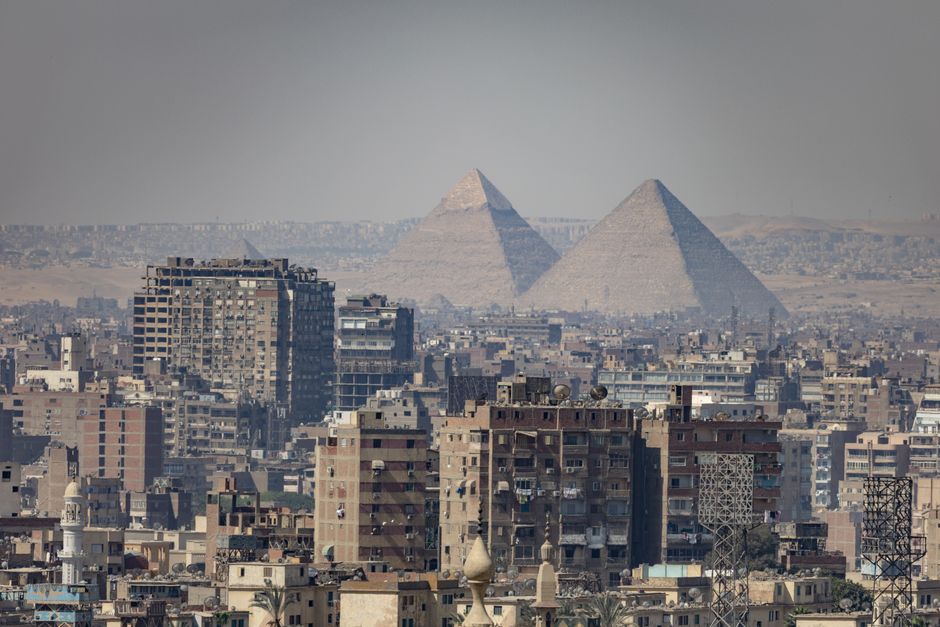
Walk through Helwan or the sprawling developments of New Cairo, and you see the physical legacy of competing visions for Egypt's capital. But the current housing affordability crisis—where median apartment prices in Zamalek exceed 50,000 EGP per square metre—didn't emerge overnight. It is the product of seven decades of policy decisions, missed opportunities, and competing priorities.
The 1950s and 1960s brought state-sponsored confidence. President Nasser's government constructed thousands of units in neighbourhoods like Nasr City and Maadi, establishing a model where public housing was seen as a social responsibility. These developments housed middle-class families and workers, creating stable communities with mixed-income populations. The philosophy was clear: shelter was a right, not a speculative commodity.
But the logic shifted dramatically after 1973. As Egypt opened its economy through Sadat's Infitah policy, land became a tradeable asset. Private developers gained unprecedented access to desert land east and west of the city. The New Administrative Capital project announced in 2015—now under construction near the Suez Road—represents the culmination of this approach: a 700-billion-EGP gamble that treats urban space as investment opportunity rather than infrastructure for existing residents.
The Mubarak era (1981-2011) accelerated speculation. Developer-friendly zoning laws transformed neighbourhoods like Sheikh Zayed into gated communities catering to the wealthy, while informal settlements sprawled across Imbaba and Manshiyat Nasser. Cairo's population swelled from 6 million in 1976 to nearly 21 million by 2026, yet housing policy never kept pace with demand. Public sector housing construction virtually ceased by the 2000s.
Recent governments have attempted correction. The 2019 housing initiative promised one million units at affordable prices—targeting the 30 percent of Cairenes living in informal areas. Yet implementation has been uneven. Construction timelines slipped. Costs climbed. A two-bedroom unit in New Administrative Capital settlements now requires down payments many young Egyptians cannot afford, even with government financing schemes.
Meanwhile, old Cairo—Islamic Cairo, Sayida Zeinab, parts of Downtown—continues deteriorating. Historic buildings along Qasr al-Nil Street face demolition pressures. Rent control laws from the Nasser era inadvertently froze investment in older housing stock, making modernisation economically irrational for landlords.
Today's crisis is not mysterious. It reflects an arc: from state stewardship to market liberation to belated government intervention. Understanding this trajectory is essential as policymakers debate the next chapter—whether Cairo's housing future will serve its entire population or remain a story of widening inequality written in concrete.
This article was compiled by AI and screened before publishing. See our editorial standards.
How does this story make you feel?
Spread the word
About this article
Published by The Daily Cairo
Daily brief
Free, in your inbox before 7am. Weekdays.
More in News