"We've Lost Faith in the System": Cairo Residents Demand Action After Surge in Street Robberies
Community members across central Cairo neighbourhoods speak out about rising crime and what they say are inadequate emergency response times.
Community members across central Cairo neighbourhoods speak out about rising crime and what they say are inadequate emergency response times.
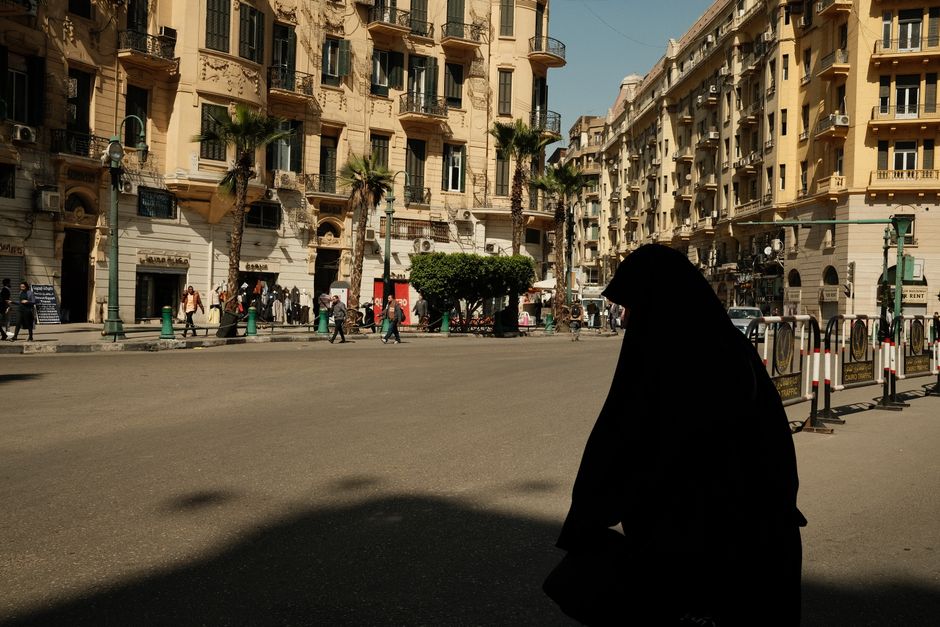
Residents of Garden City, Zamalek, and Downtown Cairo are increasingly vocal about their safety concerns, with reports of street robberies and mugging incidents rising sharply over the past eighteen months. The frustration extends beyond the crimes themselves—locals say emergency services are struggling to respond effectively to incidents in the capital's busiest districts.
Shopkeepers along Talaat Harb Street report that foot traffic has declined noticeably, with customers citing security worries. One vendor near the American University in Cairo campus noted that evening sales have dropped by roughly thirty percent since early 2025. "People used to linger, browse, chat," he said. "Now they rush through and head home before dark."
The concerns intensified following several high-profile incidents near Abdeen Palace and in the Bulaq neighbourhood, where residents reported delayed police arrival times averaging forty-five minutes for non-emergency calls. The Cairo Security Directorate has acknowledged increased demand but attributes delays partly to traffic congestion and resource constraints across the city's thirty administrative zones.
Community safety groups, including the Zamalek Residents' Association and Downtown Cairo Watch, have begun organizing neighbourhood patrols and sharing incident reports via WhatsApp networks. These grassroots efforts reflect what participants describe as a vacuum left by official channels. "We're not vigilantes," explained one coordinator. "We're citizens who feel obliged to protect our own streets because the formal system isn't keeping pace."
The psychological toll is evident. Residents report changing daily routines—avoiding certain routes, returning home earlier, restricting children's outdoor activities. Property crime has also spiked; burglaries in residential areas jumped roughly twenty percent year-on-year, according to insurance claim data reviewed by local insurers.
Calls for reform centre on three demands: increased police visibility in high-crime areas, faster emergency response protocols, and better coordination between neighbourhood watch groups and official authorities. The Cairo governorate announced in April plans to deploy additional officers and upgrade CCTV infrastructure along major commercial corridors, though implementation timelines remain unclear.
For many residents, the core issue isn't merely crime statistics—it's the erosion of public confidence. "We love Cairo," said one long-time Heliopolis resident. "But right now, many of us feel the city isn't keeping its people safe. That's a conversation we need to have openly, and soon."
This article was compiled by AI and screened before publishing. See our editorial standards.
How does this story make you feel?
Spread the word
About this article
Published by The Daily Cairo
Daily brief
Free, in your inbox before 7am. Weekdays.
More in News