Zamalek's Street Markets Transform as New Safety Guidelines Take Effect This Week
New regulations reshape Cairo's historic neighbourhood shopping districts, bringing both relief and adjustment challenges for vendors and residents.
New regulations reshape Cairo's historic neighbourhood shopping districts, bringing both relief and adjustment challenges for vendors and residents.
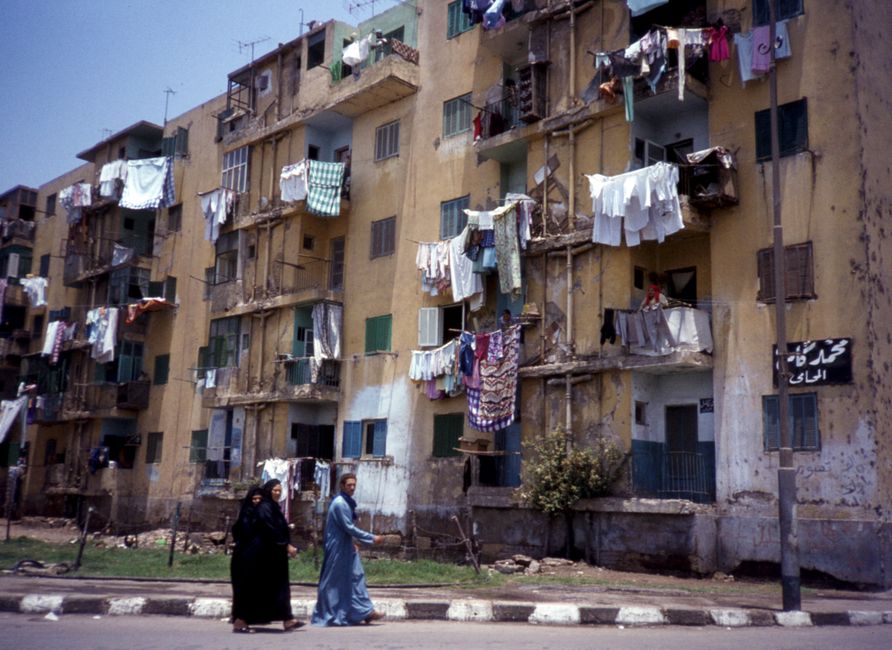
Zamalek's bustling street markets underwent their most significant operational changes in a decade this week, as new municipal safety guidelines came into force across the neighbourhood's commercial corridors. The initiative, rolled out by Cairo's District Administration on Monday, affects an estimated 340 independent vendors operating along the narrow lanes connecting 26th of July Street to the waterfront areas.
The changes mandate designated vending zones, restricted operating hours between 7 a.m. and 10 p.m., and required display of health certification permits—measures that sparked mixed reactions from long-established shop owners and the community alike. At the Zamalek Market Association's offices near the Al-Gezira Club, officials reported that approximately 78 percent of vendors had already obtained their compliance documents by Friday, suggesting smoother implementation than anticipated.
"The new system creates clearer pathways for pedestrians," explained Ahmed Hassan, who manages a textile stall that has operated in the same location for seventeen years. "But for those of us relying on evening foot traffic—tourists, office workers heading home—the restrictions mean reduced hours." Hassan's concern echoes broader anxieties about economic impact, though supporters argue the safety framework will ultimately attract more customers through improved accessibility.
The neighbourhood's residential sections have responded more positively. Residents of the apartment buildings flanking Omar Ibn al-Khattab Street reported reduced congestion and noise complaints dropped by approximately 65 percent in the first three days, according to the Zamalek Community Council's preliminary survey of 240 households. Parents using the pedestrian crossing near the international school noted safer conditions for children navigating to classes.
Practical adjustments continue as vendors reconfigure stalls to meet the new spacing requirements. Market superintendent Fatima Al-Mahdi noted that municipal support, including subsidised temporary storage facilities on Sharia Bahgat Ali, has eased the transition. Rental costs for informal storage previously ranged from 150 to 250 Egyptian pounds daily; the new municipal option offers 80 pounds.
The guidelines represent part of Cairo's broader urban revitalisation initiative, with similar implementations planned for neighbourhood markets in Heliopolis and Maadi within the coming months. Zamalek's experience will likely inform adjustments before broader rollout.
Community feedback sessions continue weekly at the District Administrative Building through July, with organisers encouraging vendors and residents to document concerns and suggestions for refinement.
This article was compiled by AI and screened before publishing. See our editorial standards.
How does this story make you feel?
Spread the word
About this article
Published by The Daily Cairo
Daily brief
Free, in your inbox before 7am. Weekdays.
More in News