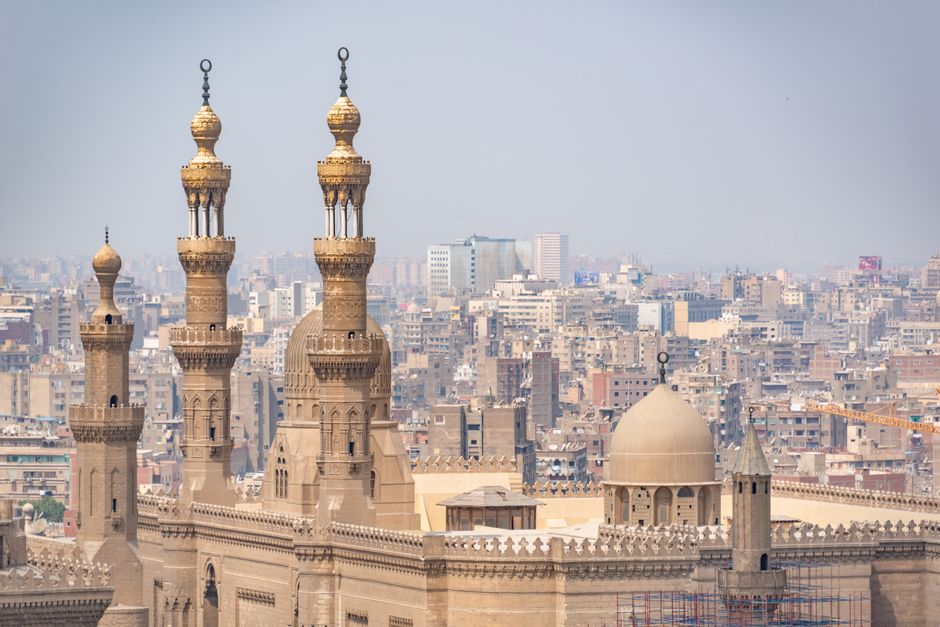
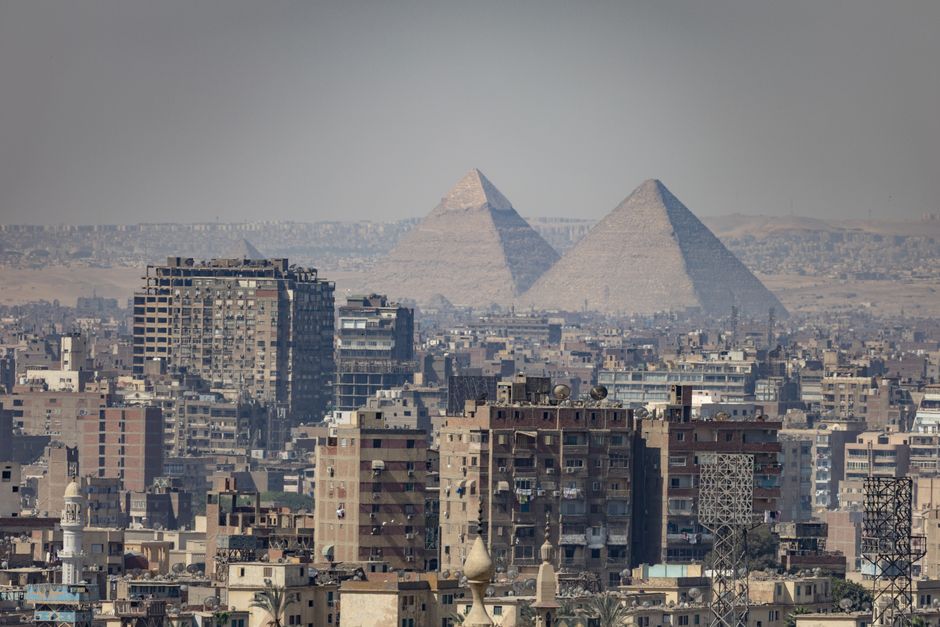
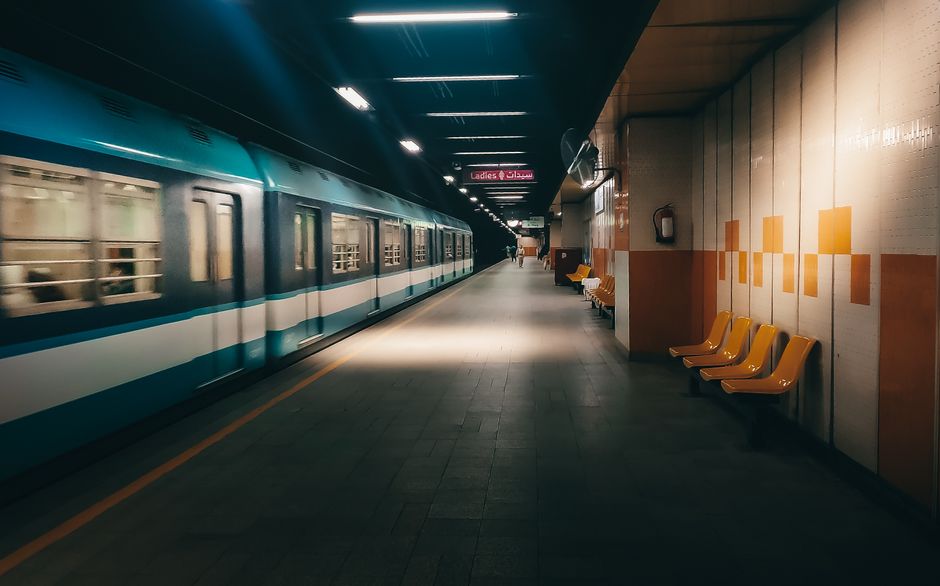
In the narrow lanes of Islamic Cairo and the densely packed apartment blocks of Sayeda Zeinab, a quieter crisis response is unfolding—one that emphasises neighbourhood watches and community volunteers over centralised authority. When health threats emerge globally, from pandemic containment to disease surveillance, major cities typically rely on government infrastructure. Cairo's approach reveals an alternative model worth examining.
Unlike lockdown-dependent cities in Europe and North America, Cairo's informal neighbourhoods have activated their traditional committee systems. In Zamalek and Garden City, where middle-class residents dominate, residents' associations coordinate information sharing through WhatsApp groups and organised door-to-door check-ins. In more densely populated areas like Dar el-Salam and Bulaq, neighbourhood leaders work with local pharmacists and clinic operators who maintain street-level health networks that predate formal government health services.
"Our system moves faster than bureaucracy," explains one community organiser from Helwan's working-class districts, noting that informal networks can mobilise 50-100 households within hours. Compare this to major European cities where centralised contact-tracing systems have faced criticism for sluggishness and privacy concerns. Cairo's decentralised approach, rooted in centuries of community interdependence, has enabled rapid localised responses without waiting for Ministry of Health directives to filter down through administrative layers.
The economic dimension differs markedly too. While Western cities subsidise lockdowns through government welfare programmes—a luxury Cairo cannot replicate—neighbourhoods here rely on informal credit systems and community resource-sharing. Small shopkeepers in Khan el-Khalili adjust inventory collectively; residents in Garden City organise shared grocery purchases. These mechanisms, born from economic necessity rather than policy design, function with surprising effectiveness.
However, challenges persist that formal systems address better. Misinformation spreads rapidly through neighbourhood networks, and surveillance by informal leaders raises privacy questions absent in anonymous digital systems. Vaccination coverage relies on trusted local figures rather than standardised campaigns, creating patchy adoption rates across neighbourhoods.
Cairo's experience suggests that global crisis response need not be uniformly centralised or decentralised. Cities like Istanbul, Lagos, and Mexico City increasingly recognise that informal community structures, properly supported rather than bypassed, can complement formal health infrastructure. What makes Cairo's model distinct is not invention but evolution—neighbourhoods have functioned as mutual-aid units for generations, giving them institutional memory formal systems lack.
As international health bodies debate future pandemic preparedness, Cairo's neighbourhood networks demonstrate that resilience isn't always about scaling up centralised capacity. Sometimes it's about understanding what already exists at street level.
This article was compiled by AI and screened before publishing. See our editorial standards.