Cairo's environmental authorities are ramping up rhetoric on climate action as senior officials and technical experts convene to address mounting pressure from deteriorating air quality and mounting waste challenges across the city's 21 million residents.
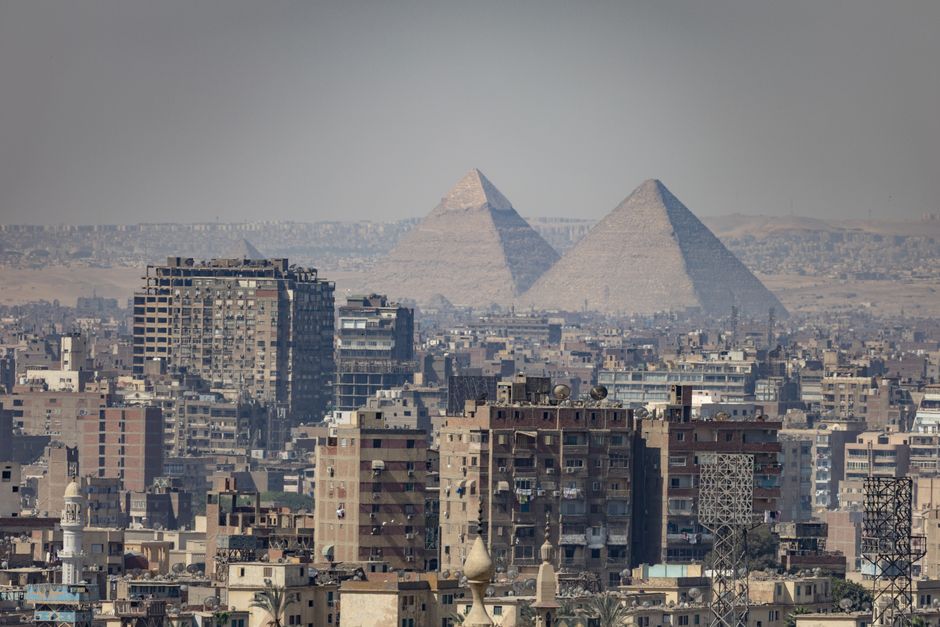
Officials from the Egyptian Environmental Affairs Agency have begun emphasizing the urgency of reducing particulate matter levels, which regularly exceed World Health Organization safety thresholds by 400 per cent during peak seasons. The agency's leadership has indicated support for expanded green space initiatives, particularly in densely populated districts like Zamalek and Garden City, where air circulation remains severely constrained.
Dr. representatives from Cairo University's Faculty of Engineering have presented data suggesting that transitioning the city's waste collection operations—currently relying on informal networks managing roughly 13,000 tons daily—could significantly reduce methane emissions. Research teams studying the Mokattam waste settlement, home to approximately 60,000 residents, have documented potential for community-based recycling infrastructure that could divert 35 per cent of household waste from landfills.
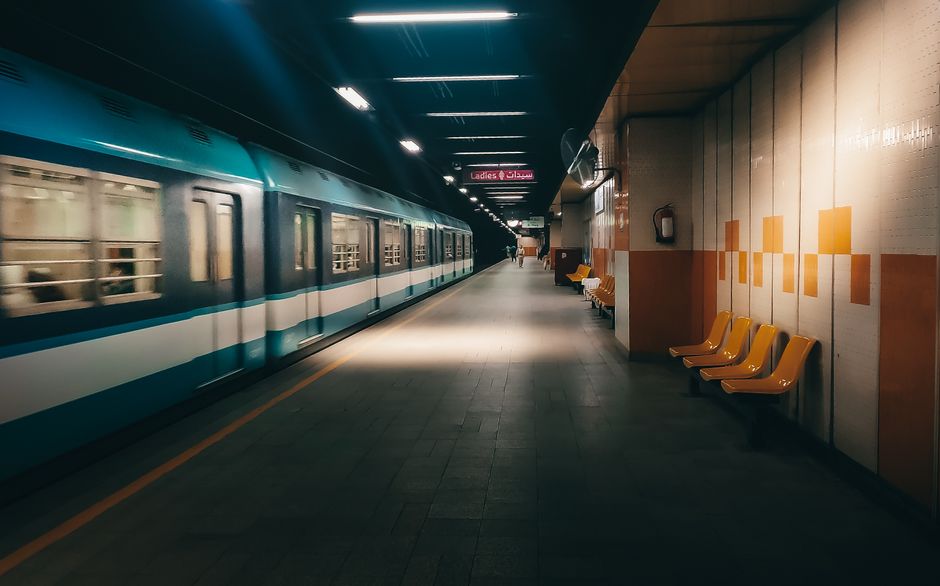
Transport sector specialists have weighed in on Cairo's notorious congestion, with transportation experts noting that expanding the metro system beyond its current 75-kilometre network remains critical. Officials have signalled openness to accelerated metro extensions to New Cairo and 6th of October City, acknowledging that reducing private vehicle dependency could address both congestion and emissions simultaneously.
Water management officials have highlighted concerns about the Nile's declining flow, warning that Cairo's freshwater consumption patterns require immediate restructuring. Desalination initiatives and wastewater treatment upgrades at facilities serving the northern districts have been prioritized in upcoming budget discussions, according to ministry statements.
However, experts caution that without meaningful enforcement mechanisms and sustained funding, Cairo's environmental goals risk remaining theoretical. Academic researchers studying Cairo's pollution hotspots around Helwan and Nasr City have noted that previous initiatives have foundered due to implementation gaps and competing economic pressures.
The Ministry of Environment's recent announcement of increased penalties for industrial emissions violations—rising to 500,000 Egyptian pounds for repeat offenders—signals tougher enforcement intentions. Officials have also proposed expanding the city's limited cycling infrastructure along Corniche al-Nil and within central business districts.
Environmental justice advocates continue pressing officials to ensure that sustainability initiatives benefit lower-income neighbourhoods alongside wealthy districts, pointing to disparities in green space access and pollution exposure. The coming months will reveal whether Cairo's institutional commitments translate into measurable environmental improvements.
This article was compiled by AI and screened before publishing. See our editorial standards.