How Cairo's Transport Crisis Led to Today's Mega-Projects: The Long Road to Reconstruction
Decades of congestion, flooding, and aging infrastructure have forced the government's hand in reimagining the capital's mobility networks.
Decades of congestion, flooding, and aging infrastructure have forced the government's hand in reimagining the capital's mobility networks.
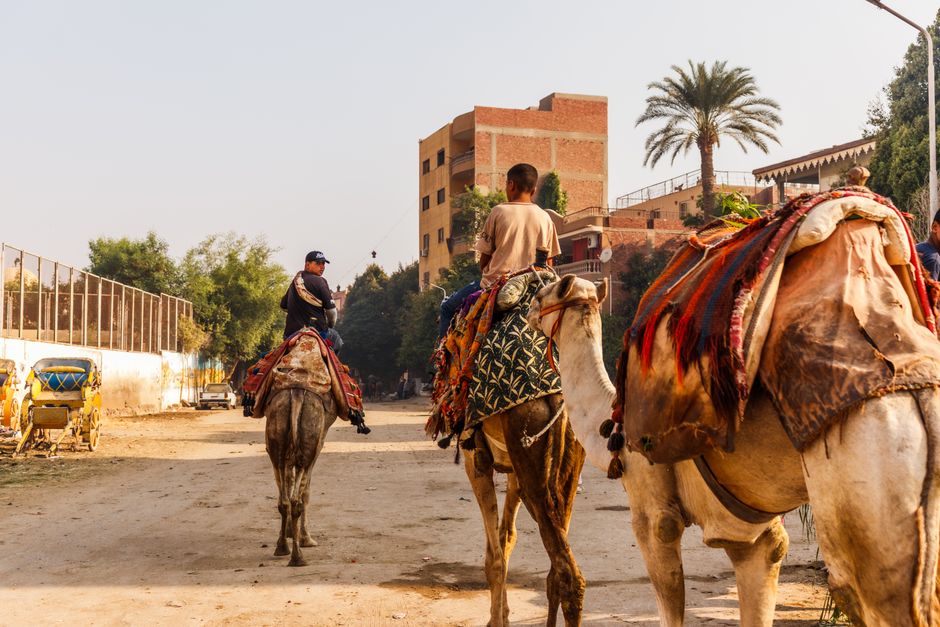
Walk along the Corniche during rush hour and you'll understand why Cairo's transport transformation wasn't a choice—it was a necessity born from decades of underinvestment and rapid urbanisation that outpaced planning.
The numbers tell the story. Cairo's population has more than doubled since 1990, swelling to over 21 million residents today, yet the road network expanded by barely 40 percent in that same period. The result: commuters spending an average of 90 minutes daily navigating gridlock through neighbourhoods like Zamalek, Heliopolis, and Nasr City, while the city's productivity haemorrhaged billions annually.
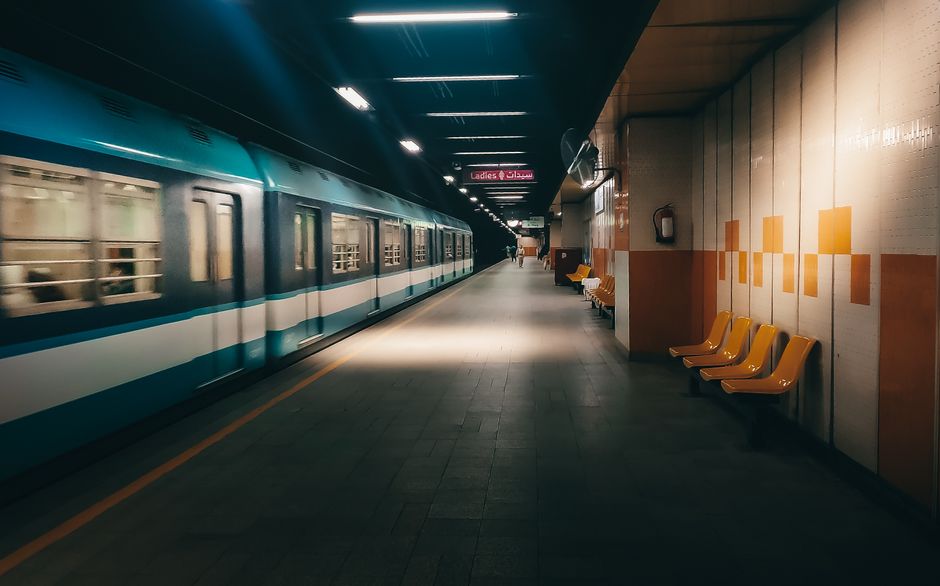
The tipping point came in the early 2020s when recurring flash flooding devastated areas from Shubra to Maadi, exposing catastrophic gaps in drainage infrastructure built in the 1950s. The 2022 deluge that submerged portions of Garden City and Dokki particularly galvanised policymakers. Simultaneously, the Cairo Metro—still operating largely on 1987 designs—couldn't absorb demand. Line capacity maxed out years ago, with platforms so crowded during peak hours that transport authorities reported dangerous overcrowding incidents monthly.
This convergence of crises forced a reckoning. The government faced a choice: continue patching a broken system or rebuild fundamentally. International consultants were brought in. World Bank financing was secured. A master plan emerged.
The New Administrative Capital's completion in 2023 also shifted priorities. With government functions relocating east, Cairo's role redefined itself as a commercial and cultural hub rather than an administrative centre. This meant reimagining movement patterns entirely—fewer civil servants commuting from distant suburbs meant infrastructure could be designed around commerce, tourism, and light rail efficiency rather than bureaucratic gridlock.
Consider Tahrir Square, once the symbolic heart of Cairo's political identity. Today it's simultaneously a construction zone and a metaphor for transformation. The Metro expansion, the Bus Rapid Transit system threading through Ramses Street, the planned monorail connecting 6th of October Bridge to Helwan—these aren't vanity projects. They're responses to a city that simply broke under its own weight.
Private sector involvement, largely absent from previous decades, now funds much of the expansion. Real estate developers see profit in transit-oriented projects around Nasr City and New Cairo. Shopping malls like those in Maadi and Sheikh Zayed fund local traffic improvements as conditions of development permits.
For ordinary Cairenes, this history matters. When the new metro lines finally open, or when the waterlogged streets of Garden City no longer flood seasonally, those conveniences represent not innovation for its own sake, but lessons learned painfully from years of neglect.
This article was compiled by AI and screened before publishing. See our editorial standards.
How does this story make you feel?
Spread the word
About this article
Published by The Daily Cairo
Daily brief
Free, in your inbox before 7am. Weekdays.
More in News