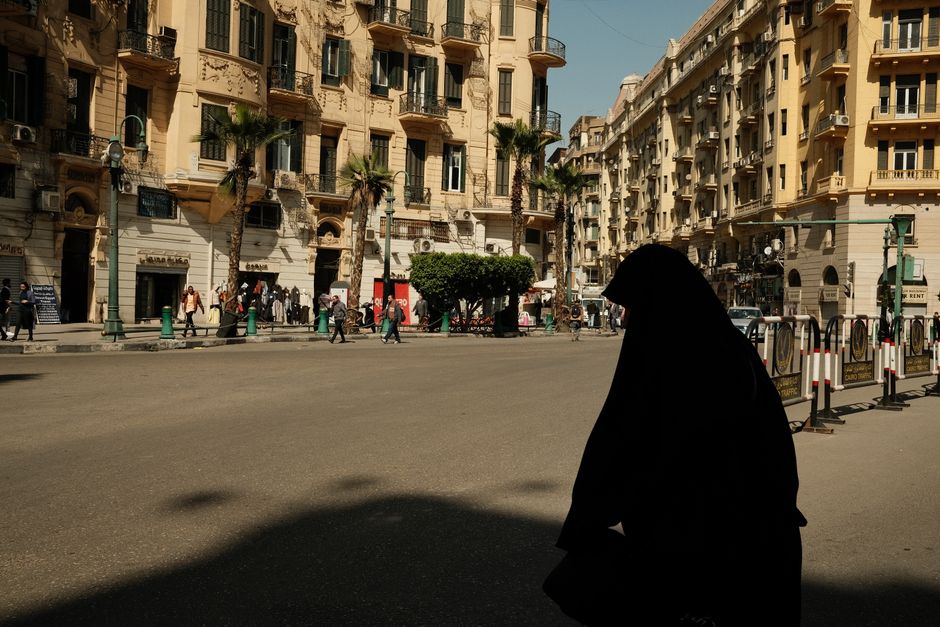
The tree-lined streets of Garden City, with their Belle Époque villas and established families, are at an inflection point. Over the coming months, residents and local authorities will confront a series of interconnected decisions that could fundamentally alter the neighbourhood's trajectory—from infrastructure upgrades to housing density to commercial encroachment.
At the heart of the debate is the 2027 renewal of Garden City's zoning regulations, last substantially revised in 1998. The Cairo Governorate has signalled openness to revisions that could allow mixed-use development and increased building heights in designated zones, potentially tripling property values but also fundamentally changing the neighbourhood's character. Current rent in the area averages 4,500 to 7,000 Egyptian pounds per month for modest apartments, a price point already pushing out middle-income families.
"The question isn't whether change is coming," said one long-time resident association member, speaking on condition of anonymity. "It's whether we shape it or simply watch it happen."
Several decisions loom large. First: the proposed rehabilitation of the Abdul Aziz Street water infrastructure, a EGP 180 million project that could begin next year. Second: whether to preserve or redevelop the cluster of smaller villas near the intersection of Saray El Gezira and Qasr El Nile Street. Third: how to manage the increasing pressure from boutique hotels and co-working spaces seeking foothold in the neighbourhood's commercial edges.
The Garden City Residents' Association has called for a formal community input process before any zoning changes proceed. They've scheduled consultations throughout July at the neighbourhood's primary gathering point, the restored community centre near the Egyptian Museum. The governorate's housing department is expected to present its preliminary proposals by August 15th.
Meanwhile, property owners are watching closely. Some see opportunity; others worry about losing the peaceful, village-like quality that has attracted prominent families and expatriate professionals for generations. The neighbourhood's narrow streets—many still lined with bougainvillea and acacia trees—remain among Cairo's most desirable addresses, but demographic pressures and economic forces are unmistakable.
The decisions made over the next six months will determine whether Garden City evolves into a denser, more commercialized urban precinct or manages to preserve elements of its mid-century identity while accommodating modern Cairo's growth. For residents accustomed to quiet streets and established rhythms, the consultation period ahead represents both genuine opportunity and genuine risk.
This article was compiled by AI and screened before publishing. See our editorial standards.