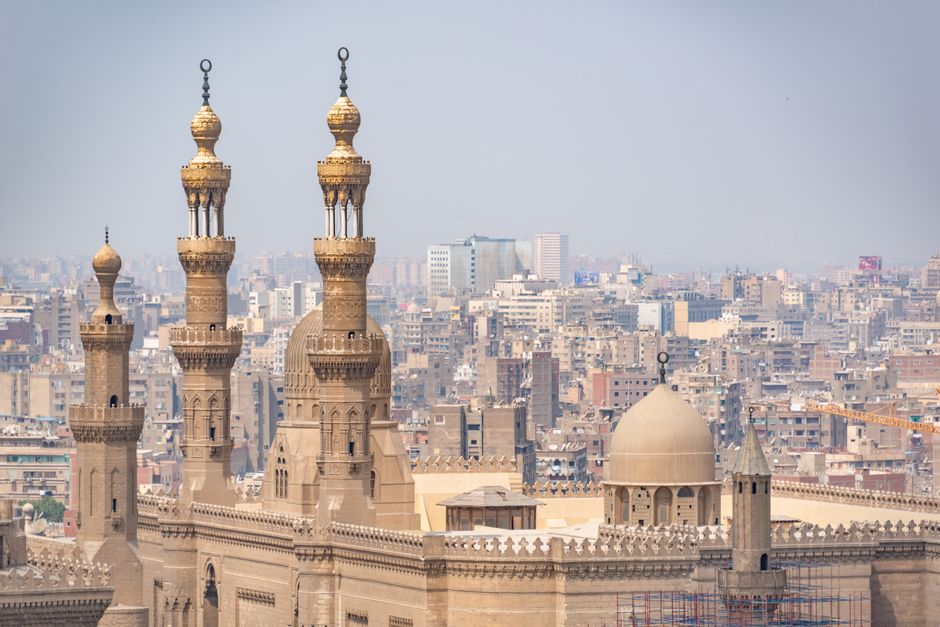
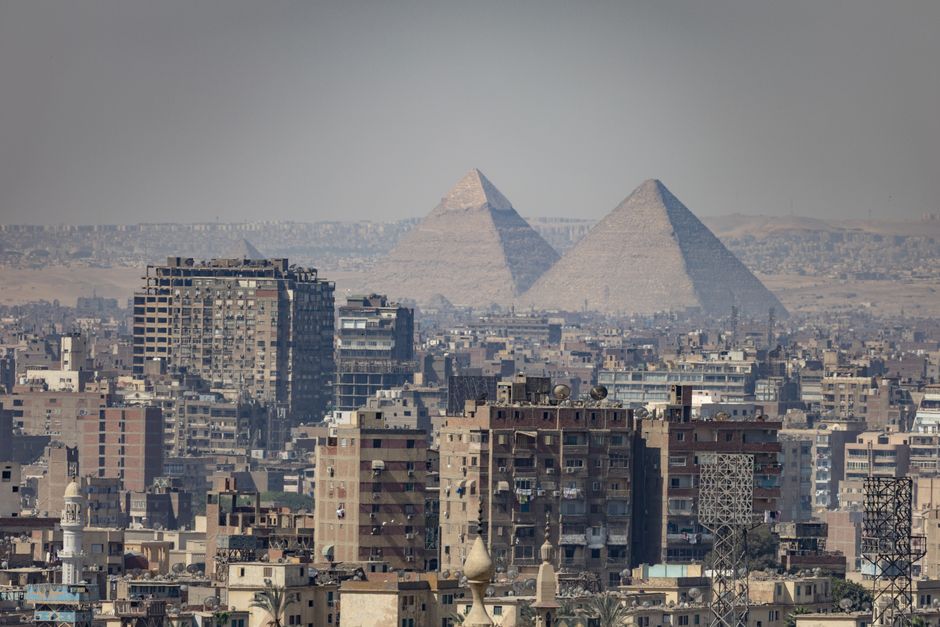
Cairo's notorious air quality has long been a public health crisis, with pollution levels regularly exceeding World Health Organization safety thresholds. But a constellation of environmental initiatives launched across the capital over the past eighteen months is beginning to shift the conversation—and more importantly, residents' daily experiences.
The most visible change has been the expansion of waste segregation programmes in affluent neighbourhoods like Zamalek and Garden City, where municipal authorities partnered with local waste management companies to establish colour-coded collection points. Residents report cleaner streets and reduced odours, while younger generations have embraced the sorting habit. One Heliopolis resident noted that her electricity bill dropped by approximately 120 Egyptian pounds monthly after switching to LED bulbs distributed through a Cairo Governorate energy-efficiency scheme targeting middle-income households.
Across the river in Giza, the Cairo Water Authority's leak-detection initiative has reduced pipeline losses from 35 per cent to 28 per cent in high-density districts—a meaningful improvement in a city where water scarcity directly affects household access. Families in older quarters like Bulaq Abu El-Ela have experienced more consistent water pressure during peak hours, easing a chronic frustration for working parents managing household logistics.
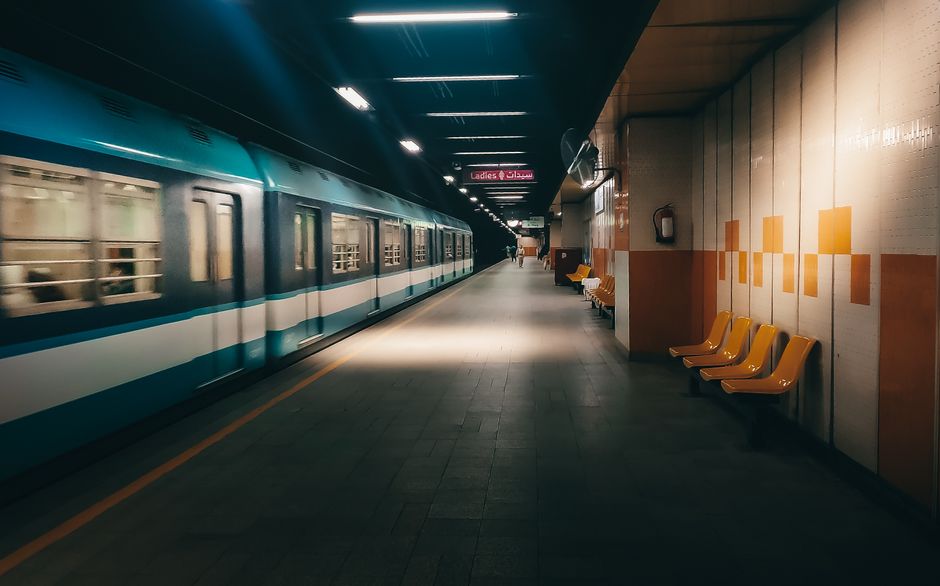
Yet perhaps the most consequential project is the expansion of the Cairo Metro's Green Line, which now reaches into previously underserved neighbourhoods. Commuters report journey times slashed in half, translating to reclaimed hours for work, family time, and sleep. The knock-on effect: reduced private vehicle dependency means lower transportation budgets for working-class families, freeing resources for education and healthcare.
Air quality monitoring stations installed near Khan El-Khalili and along major thoroughfares like Salah Salem Road are providing real-time pollution data via a public app. Residents can now make informed decisions about outdoor activities, protecting children and elderly relatives from peak pollution windows.
However, challenges persist. Informal settlements on Cairo's periphery remain largely excluded from these initiatives, widening the sustainability divide. Environmental economists warn that without extending green infrastructure to poorer districts, Cairo risks creating a two-tier system where environmental benefits accrue mainly to higher-income neighbourhoods.
Still, momentum is building. Community gardens in Maadi and sustainability workshops in downtown venues suggest that Cairo's residents are ready to embrace change. As summer temperatures climb and air quality deteriorates, these initiatives offer not just environmental protection—but tangible improvements in quality of life that resonate across the city's diverse communities.
This article was compiled by AI and screened before publishing. See our editorial standards.